Two Small Habits Stood Out
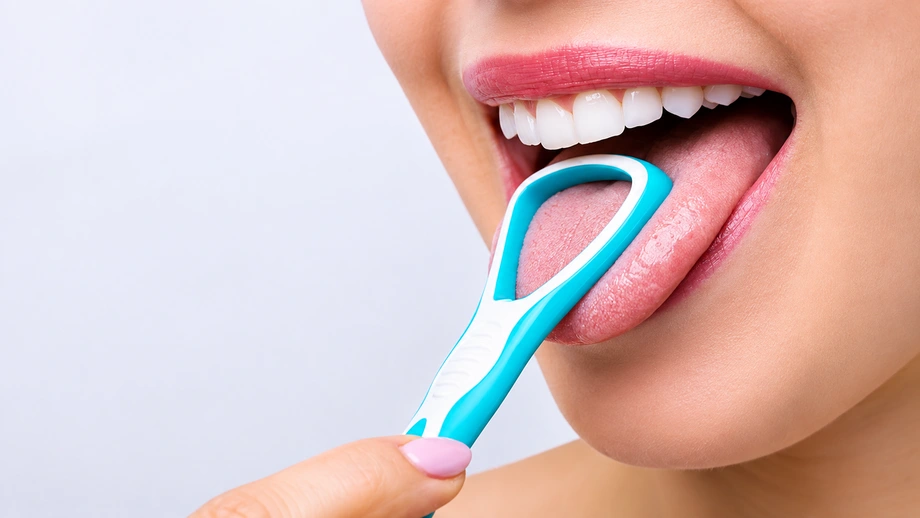
Using a tongue cleaner was associated with a 23% lower risk of death over roughly six years among 9,676 people aged 65 and over in Japan. Cleaning between the teeth with floss or an interdental brush was associated with an 11% lower risk. These were the only two habits among seven oral care practices that retained a statistically clear association after researchers accounted for age, sex, social and economic circumstances, smoking, other lifestyle factors and existing illnesses.
Contents
- Two Small Habits Stood Out
- Who Was Studied, and What Do the Risk Numbers Mean?
- Why Brushing and Dental Visits Told a Different Story
- What Did the American Floss Study Find?
- How Could Mouth Bacteria Reach the Lungs?
- What Do Care Home Trials Add?
- Why Pneumonia Matters So Much in Later Life
- How Can Older Adults Clean Safely?
- The Bottom Line
The research team at the Institute of Science Tokyo, formerly Tokyo Medical and Dental University, used information from the Japan Gerontological Evaluation Study. The participants had an average age of 73.7. Their paper appeared online on May 23, 2026, and was printed in the September issue of the Journal of Dentistry.
The percentages compare groups of people who reported their own habits. They are not a promise that a particular person can reduce their risk of dying by exactly 23%. People who clean their tongues or between their teeth may differ from other participants in aspects of health and daily life that a survey cannot fully capture.
Who Was Studied, and What Do the Risk Numbers Mean?
The analysis began with responses to a survey conducted in October and November 2016. Everyone included was at least 65, had at least one remaining tooth, could manage daily activities independently and had not been certified as needing care under Japan's care insurance system. The findings therefore describe older adults living independently in the community, rather than nursing home residents or older people generally.
Researchers checked whether participants had died through June 20, 2023. The mortality rate during the tracking period was 17.3 deaths per 1,000 people a year. The main dates in the research were:
- October and November 2016: Participants answered the oral health survey.
- June 20, 2023: Researchers completed the mortality follow up.
- May 23, 2026: The Journal of Dentistry published the paper online.
- September 2026: The study appeared in the journal's printed issue.
After statistical adjustment, tongue cleaner users had a hazard ratio of 0.77, with a 95% confidence interval running from 0.68 to 0.87. Users of floss or interdental brushes had a ratio of 0.89, with an interval from 0.80 to 0.99. A hazard ratio compares the rate at which deaths occurred during the study, setting the rate among nonusers at 1. Subtracting the ratio from 1 produces the reported reductions of 23% and 11%.
The confidence intervals describe the precision around those estimates. Both intervals sat entirely below 1, making the associations statistically clear in the adjusted model. The researchers also found no statistically clear variation in these associations across the age, sex and smoking groups they examined.
Why Brushing and Dental Visits Told a Different Story
A simple count initially made frequent toothbrushing look protective. Among 7,427 people who brushed at least twice a day, 686, or 9.2%, died. Among 2,249 people who brushed less often, 313, or 13.9%, died. The raw gap was 4.7 percentage points.
That gap nearly vanished after the researchers adjusted for age, smoking, existing disease and other health factors. The hazard ratio became 0.96, with a confidence interval from 0.87 to 1.07. Much of the original difference reflected the characteristics of the people in each brushing group rather than an independent association with brushing frequency.
The other habits produced similar adjusted results. Toothpaste use had a hazard ratio of 0.98, with an interval from 0.89 to 1.09. Mouthwash and other liquid oral products had a ratio of 1.03, from 0.92 to 1.15. Visiting a dentist for treatment within the previous 12 months produced a ratio of 1.01, from 0.90 to 1.13, while regular dental checkups produced a ratio of 0.99, from 0.88 to 1.13. Each interval included 1, leaving no statistically clear mortality difference between users and nonusers in the main analysis.
A supplementary analysis told a more nuanced story about checkups. People who had received a dental examination within the previous six months had a hazard ratio of 0.85, with an interval from 0.74 to 0.97, equivalent to a 15% lower risk. The researchers presented this separately from the main comparison of seven habits, leaving the ideal checkup interval unresolved.
What Did the American Floss Study Find?
A separate study in the same September 2026 issue examined 10,609 participants in the United States National Health and Nutrition Examination Survey conducted from 2009 through 2014. Researchers at China's Fourth Military Medical University found that people who reported using dental floss at least once had a 29.6% lower risk of death than nonusers. Their hazard ratio was 0.704.
The highest mortality risk appeared among people with periodontitis who did not floss. Periodontitis is an advanced form of gum disease that damages the tissues supporting the teeth. The American researchers also emphasized the observational nature of their work: participants were observed according to their existing behavior rather than assigned to floss or avoid it.
The American estimate is numerically larger than the 11% association for interdental cleaning in Japan, but each percentage belongs to its own population, habits and comparison group. Neither study directly compared floss with tongue cleaners. Together, they make cleaning between the teeth a recurring subject for research into oral health and survival.
How Could Mouth Bacteria Reach the Lungs?
One proposed explanation involves aspiration pneumonia. Food particles, shed cells and bacteria can collect on the tongue, including around the small projections on its surface. Aspiration occurs when saliva or food enters the airway instead of passing down the esophagus into the stomach. Swallowing often becomes weaker with age, and bacteria carried into the lungs with aspirated material can cause inflammation and pneumonia.
The Japanese analysis counted deaths from every cause. It contained no direct test of whether aspiration pneumonia connected tongue cleaning with survival. Unmeasured differences in health behavior, physical ability or access to care also remain possible in a study based on reported habits. A clinical trial that assigned tongue cleaning and measured swallowing problems and pneumonia directly would examine the proposed pathway more closely.
What Do Care Home Trials Add?
An Australian systematic review published in the January 2021 issue of Age and Ageing examined 12 papers released between 2001 and 2019. The research concerned oral bacteria and aspiration pneumonia among older nursing home residents. It identified bacteria capable of causing respiratory infections in residents' mouths and found fewer aspiration pneumonia cases among those receiving professional oral care than among those who did not receive it.
Cochrane reviews add evidence from randomized trials, in which participants are assigned to different forms of care. A 2018 review covered four randomized controlled trials involving 3,905 nursing home residents. Professional oral care was associated with a hazard ratio of 0.41 for death from pneumonia, with an interval from 0.24 to 0.72. That corresponds to an estimated 59% lower hazard. Cochrane rated the evidence quality as low and said every included study carried a high risk of bias, meaning weaknesses in design, conduct or reporting could have distorted the estimates.
A 2022 Cochrane systematic review pooled two randomized trials involving 454 care facility residents. Over two years, the risk of death related to pneumonia among residents receiving professional oral care was 0.43 times the risk under usual care. The reviewers again rated the certainty of that evidence as low. Five trials with 5,018 participants showed no clear difference in the occurrence of pneumonia itself, and the review found no clear difference in deaths from all causes.
These trials studied professional care delivered to facility residents, a broader intervention than an independent person gently using a tongue cleaner at home. Their results support further investigation of oral bacteria and pneumonia while showing why the size and reliability of any benefit remain uncertain.
Why Pneumonia Matters So Much in Later Life
South Korea's National Data Office illustrated the scale of that threat in its 2026 Statistics on Older People. In 2025, pneumonia caused 281.8 deaths per 100,000 South Koreans aged 65 and over. It ranked second behind cancer, which caused 665.6 deaths per 100,000, and only slightly ahead of heart disease at 275.9.
The pneumonia death rate across the entire population was 60.8 per 100,000. The rate among people aged 65 and over was therefore about 4.6 times as high. Pneumonia also ranked third among causes of death for the whole population. These national figures explain why researchers and caregivers pay close attention to swallowing problems and oral bacteria, while the Japanese cohort's mortality figures continue to cover every cause of death.
How Can Older Adults Clean Safely?
The Korea Disease Control and Prevention Agency's National Health Information Portal recommends combining toothbrushing with floss or an interdental brush. The American Dental Association advises brushing twice a day and cleaning between the teeth once a day. The United States National Institute of Dental and Craniofacial Research also advises brushing the tongue.
- Use floss when the spaces between teeth are narrow. If receding gums have created wider spaces, choose an interdental brush whose size fits the gap. Forcing a brush into a space or pulling floss hard against the gum can cause injury.
- Clean the tongue gently when bacterial coating becomes thick enough to obscure its surface projections. A soft toothbrush or tongue cleaner can be used. The United States National Institute on Aging advises sweeping gently from the back of the tongue toward the tip.
- Avoid scraping the same area repeatedly with force or rubbing until the tongue bleeds or hurts. Hard scraping can damage the tongue's surface projections.
- Continue ordinary toothbrushing and dental checkups. Mouthwash can help reduce oral bacteria, but it cannot replace the physical removal of plaque and debris with a toothbrush, floss or an interdental brush.
Older people with limited hand movement or declining cognitive function may need a family member or care worker to help with part or all of this routine. Frequent coughing or choking while swallowing water or food is a reason to seek a swallowing assessment. That problem concerns airway safety as well as oral hygiene.
For people living at home, the practical response is a careful addition to daily care: clean gently, use tools that fit and avoid turning tongue cleaning into forceful scraping. For caregivers, the research gives added reason to assist with oral hygiene and to pay attention to swallowing difficulties.
The Bottom Line
- Researchers tracked 9,676 independently living Japanese adults aged 65 and over, with an average age of 73.7, through June 20, 2023.
- After statistical adjustment, tongue cleaner use was associated with 23% lower mortality, while floss or interdental brush use was associated with 11% lower mortality.
- Frequent brushing, toothpaste, mouthwash, dental treatment and regular checkups showed no clear association in the main analysis.
- A separate study of 10,609 American survey participants linked floss use with 29.6% lower mortality.
- The Japanese research was observational and measured deaths from every cause; it did not directly test the proposed aspiration pneumonia pathway.
- Care facility trials suggest professional oral care may reduce pneumonia deaths, but Cochrane reviewers rated the supporting evidence as low certainty.
- Official guidance favors gentle tongue cleaning, cleaning between teeth with a tool that fits, continued brushing and assistance for people who cannot manage oral care or swallowing safely.