Two lawsuits challenge takedowns, delays and repeat uploads
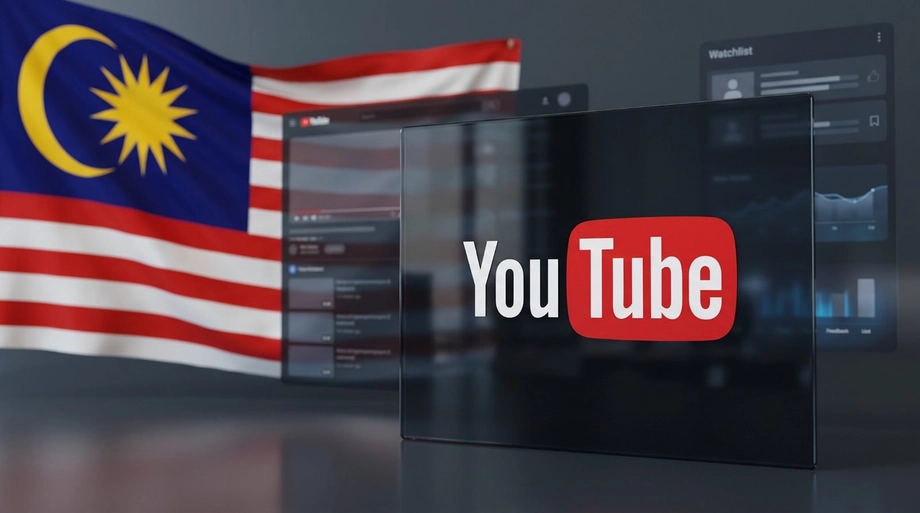
Malaysia's communications regulator is seeking RM600 million (US$146 million) from Google in two civil lawsuits that examine how YouTube handles harmful content and material that reappears after enforcement action. The Malaysian Communications and Multimedia Commission (MCMC) alleges that Google failed to deal adequately with online gambling, scams and fraud. Its second case concerns republished material connected to a Malaysian blogger. Together, the cases ask whether answering a complaint and removing individual videos are enough when copies remain available or return through other accounts and livestreams.
Contents
- Two lawsuits challenge takedowns, delays and repeat uploads
- What 74,703 reports reveal about response times
- The Papagomo case targets copies, accounts and livestreams
- The dates behind the two cases
- The safety law and licensing rules behind the allegations
- Anwar separates the court action from Google's investment
- What Google's US$15 billion expansion involves
- What changes for viewers, creators and moderation teams
- The next court date and the unresolved requests
- What to Know
MCMC announced the actions on Nov. 25, 2026. Each lawsuit seeks RM300 million, divided into RM100 million apiece in general, aggravated and exemplary damages. The first alleges negligence and breaches of statutory and licensing obligations, including a failure to take reasonable steps against harmful material. Separately from its tally of complaints, the regulator says the claims reflect resources spent addressing more than 50,000 pieces of harmful content and its intention to deter further violations. The reference to exemplary damages connects to that stated goal of deterrence.
Deputy Communications Minister Teo Nie Ching said on Nov. 27 that, to her knowledge, legal action had been served on Google's Malaysian lawyers. The RM600 million is the amount requested in the civil claims, not a fine already imposed or damages awarded by a court. No judge has yet decided whether Google is liable or whether it must pay any of the sum sought.
What 74,703 reports reveal about response times
MCMC submitted 74,703 reports to YouTube between Jan. 1 and Oct. 28, 2026. It says 74,569 of them, or 99.8%, concerned online gambling. Among the gambling complaints, 32,781 received a response or resulted in removal within one day, 4,950 went unanswered, 1,468 took more than 30 days to receive a response or removal, and 35 exceeded 90 days. The figure for action within one day represents about 44% of the gambling complaints, calculated from 32,781 out of 74,569.
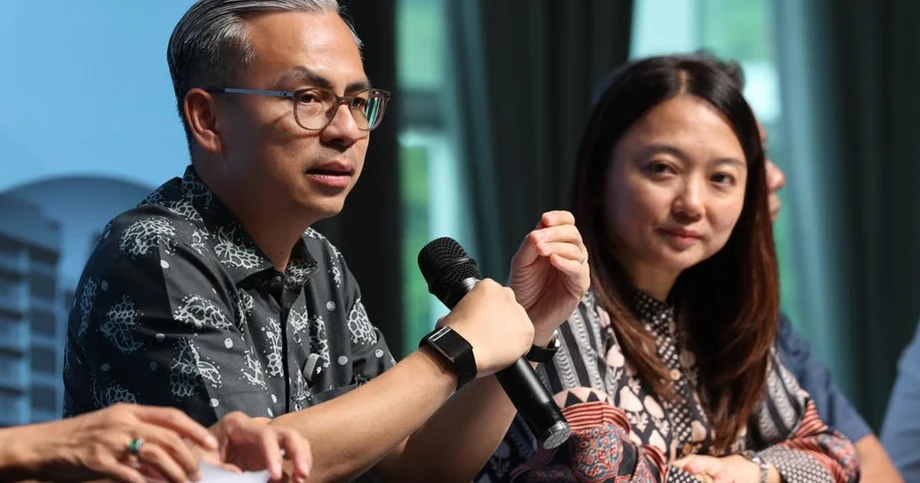
Those published categories do not assign a status to every remaining complaint. They also combine two different outcomes: receiving a response and removing material. A reply from YouTube can therefore leave the status of the video itself unresolved. Communications Minister Fahmi Fadzil, speaking at a weekly press conference in Putrajaya on Nov. 27, said action on some reported gambling content was very delayed. He cited cases taking more than 90 days and said the status of others remained unknown.
Teo directed her criticism at YouTube's screening process as well as its response times. She said MCMC had to assign its own employees to identify and report gambling content, work that she argued Google should have its own team to perform. For the regulator, this means public staff are monitoring a platform and preparing reports instead of relying on the company to detect recurring material itself.
Prime Minister Anwar Ibrahim defended the legal action on Nov. 27, saying some government complaints had received no action for as long as six months. His description of the delays was broader than the individual response categories released by MCMC.
There are cases of online gambling that we have reported, but after six months, no actions have been taken.
The Papagomo case targets copies, accounts and livestreams
Malaysian blogger Wan Muhammad Azri Wan Deris, known as Papagomo, is at the centre of the second lawsuit. MCMC alleges that Google inadequately addressed republished material after a June 19, 2026, interim injunction restricted the blogger from publishing allegedly defamatory statements against the regulator and disseminating harmful content. An interim injunction is a temporary court order that applies while the wider legal dispute continues.
MCMC issued Google a removal notice on Oct. 19, demanding action within 12 hours, and filed the second lawsuit on Oct. 23. The regulator acknowledged that YouTube had removed or restricted some material, but said the action took too long. Its complaint therefore concerns both the speed of the response and the platform's handling of material published again.
The regulator wants the court to require Google to maintain the suspension of the relevant account. It also wants Google to identify and remove similar disputed content within 24 hours, including copies posted through other accounts and material carried in livestreams.
That request explains why the case reaches beyond a single takedown. Removing one video can leave another copy accessible at a different address or through another account. MCMC is asking for measures that deal with disputed material as it resurfaces, rather than treating every upload as a fresh and isolated complaint.
The dates behind the two cases
The dispute combines a reporting period lasting almost 10 months with a much shorter sequence of notices and filings in the blogger's case.
- Jan. 1, 2026: Malaysia's Online Safety Act 2025 took effect, and the reporting period later cited by MCMC began.
- June 19: An interim injunction restricted Papagomo from publishing the statements and harmful content covered by the order.
- Oct. 19: MCMC issued Google a removal notice and demanded action within 12 hours.
- Oct. 23: MCMC filed the second lawsuit concerning republished material.
- Oct. 28: The period covered by the 74,703 YouTube reports ended.
- Nov. 25: MCMC announced two civil lawsuits seeking a combined RM600 million.
- Nov. 26: Anwar spoke with Alphabet and Google president and chief investment officer Ruth Porat.
- Nov. 27: Teo addressed service of the legal action, while Anwar and Fahmi publicly defended the regulator's move.
- Dec. 8: Case management for the second lawsuit is scheduled.
The dates also separate two questions. The first lawsuit draws on the large body of gambling and other harmful content reports. The second focuses on whether Google's response to a specific injunction, removal notice and subsequent republication was adequate.
The safety law and licensing rules behind the allegations
Malaysia's Online Safety Act 2025 introduced safety obligations for licensed providers when it took effect on Jan. 1, 2026. Social media and messaging services with at least eight million users in Malaysia have also been deemed licensed under the Communications and Multimedia Act 1998. The platforms covered by that arrangement include YouTube, Facebook, Instagram, Telegram, TikTok and WhatsApp.
Fahmi said the Online Safety Act and the Online Safety Committee are used in determining what constitutes harmful content. He said the government's regulatory position is that Malaysians should not be exposed to harmful material covered by the Act. With the claims now filed, he said the matter should be left to the legal process.
When the online safety legislation was awaiting full enforcement in June 2025, the debate already covered child sexual exploitation, cyberbullying, scams and dangerous content alongside concerns about privacy, lawful speech and regulatory oversight. That debate provides context for YouTube's response to the lawsuits. A company spokesperson said YouTube complies with local laws, reviews content flagged under its policies and is engaging with the Malaysian government. The spokesperson also stressed freedom of expression and access to information.
Anwar separates the court action from Google's investment
Anwar addressed concerns about the investment climate after Friday prayers at Bandar Baru Ampang Mosque on Nov. 27. He said the lawsuits would not affect Google's investment commitments in Malaysia and that he believed the company was looking into the complaints and taking the necessary action.
The prime minister said he had personally contacted Ruth Porat, president and chief investment officer of Alphabet and Google, the previous day. He described her response as an assurance of cooperation on the problems raised by Malaysia.
I contacted Ruth Porat yesterday and she told me that Google would cooperate to address the issues.
Fahmi likewise treated regulation and investment as separate matters. He said MCMC's action would not affect Google's planned spending because the lawsuits concern compliance with the existing regulatory framework. Anwar's assurance addresses the future of the investment plans, while MCMC's damages claims and requested court orders remain before the legal process.
What Google's US$15 billion expansion involves
Fahmi's Putrajaya remarks described Google's investment as RM15 billion. The detailed plan announced by Porat on Nov. 4 was US$15 billion, or about RM61 billion, for 2027 and 2028. It builds on a US$2 billion commitment announced in 2024 for Google's first Malaysian data centre and cloud services infrastructure. The newer commitment is 7.5 times the earlier amount.
The three data centre plan names sites in Puncak Alam and Serendah in Selangor, and Port Dickson in Negeri Sembilan. Google's first Malaysian data centre at Elmina Business Park in Sungai Buloh, Selangor, is already fully operational. A data centre houses the computers, storage, networking, electrical and cooling systems that keep digital services running. Such facilities can supply the computing capacity used for cloud services and artificial intelligence tools.
Google projects that construction will support more than 37,000 local jobs annually, including about 6,000 in construction itself, and contribute an average of US$1.1 billion a year to Malaysia's gross domestic product during that phase. The wider package includes plans to add more than one gigawatt of clean electricity capacity to the national grid, help finance water infrastructure capable of supplying 65 million litres daily, and provide skills training for about 800,000 Malaysians by 2031.
Those commitments explain why the lawsuits prompted immediate questions about investment. They also explain the government's effort to keep two issues distinct: Malaysia is seeking compliance and damages through court while continuing to present the data centre programme as welcome.
What changes for viewers, creators and moderation teams
The lawsuits do not automatically change YouTube's rules for Malaysian users or creators. Existing platform policies and legal obligations continue to apply while the cases proceed. The concrete changes sought by MCMC would come from court orders, particularly the proposed continuing account suspension and the requirement to find and remove similar disputed material within 24 hours.
Meeting such requirements would involve more than recording the date on which one video disappeared. Moderation teams would need to track when copies were flagged, which accounts or livestreams carried them and how each instance was handled. For viewers, the practical concern is how long gambling promotions or other disputed material remain accessible and whether they return. For creators, YouTube's reference to expression and access to information forms part of the company's public response, while MCMC's second request is tied to the disputed material and court restrictions in the Papagomo case.
Malaysia has previously taken action against TikTok over allegations that it failed to remove content deemed grossly offensive. Elsewhere in the Asia Pacific, Singapore is pursuing stronger social media age checks, while Australia has proposed giving users more control over social media algorithms, the systems that rank and recommend what people see. Malaysia's current cases concentrate on a different stage of platform operation: what happens after harmful material is reported and after disputed content has already been identified.
The next court date and the unresolved requests
Case management for the second lawsuit is scheduled for Dec. 8, 2026. Case management is a procedural stage at which the court organizes how a case will proceed, including the next filings or directions. It is not, by itself, a final ruling on Google's liability or the RM300 million sought in that case. No hearing date for the first lawsuit or date for a final resolution was given.
The courts will have to address MCMC's allegations about reasonable steps, statutory and licensing duties, and the handling of republished material before deciding whether damages or orders are warranted. Porat's cooperation assurance and YouTube's statement about engaging with the government were not accompanied by an announced settlement or a detailed new removal timetable. The next dated step is therefore the Dec. 8 case management session, with the central dispute over repeat uploads still unresolved.
What to Know
- MCMC announced two civil lawsuits against Google on Nov. 25, seeking RM300 million in each case and RM600 million in total.
- YouTube received 74,703 MCMC reports from Jan. 1 to Oct. 28, with 74,569, or 99.8%, concerning online gambling.
- MCMC disclosed 4,950 unanswered gambling complaints, 1,468 cases taking more than 30 days and 35 exceeding 90 days.
- The second lawsuit seeks continuing suspension of a relevant account and removal of similar disputed copies, including those on other accounts and livestreams, within 24 hours.
- YouTube says it complies with local laws, reviews flagged material and is engaging with the government.
- Anwar said Porat assured him that Google would cooperate and that the lawsuits would not affect its Malaysian investments.
- Google's detailed expansion announcement commits US$15 billion during 2027 and 2028, building on its US$2 billion commitment from 2024.
- Case management for the second lawsuit is scheduled for Dec. 8, and the filings have not automatically changed YouTube's rules in Malaysia.