A 2.2 Million Estimate Puts Kidney Disease in Focus
Sri Lanka has an estimated 2.2 million people living with chronic kidney disease, roughly 10% of the population, Health and Media Minister Dr. Nalinda Jayatissa said. Yet the number of reported patients had reached only 112,000 by 2025. Around 8,000 people are receiving dialysis, with annual spending on their treatment reaching approximately 16.8 billion rupees.
Contents
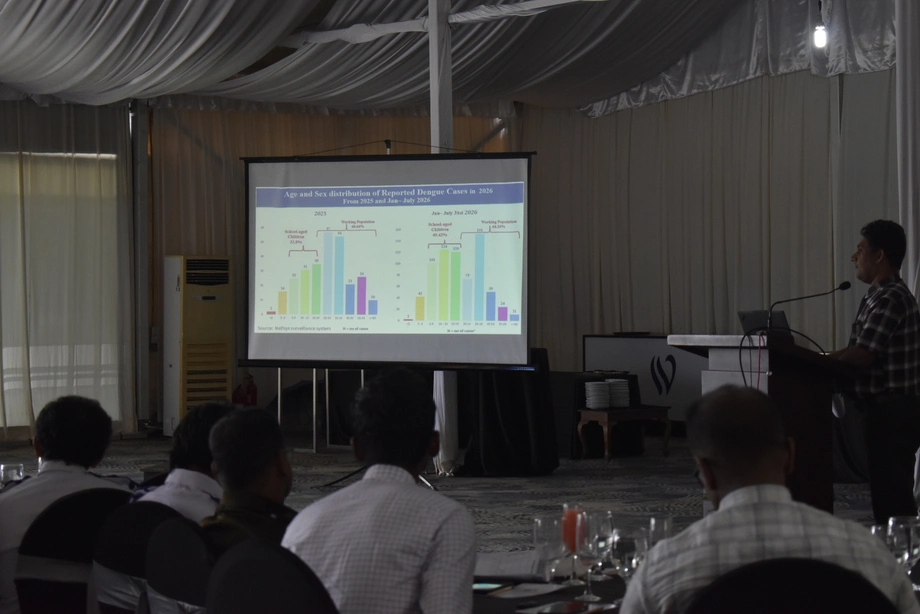
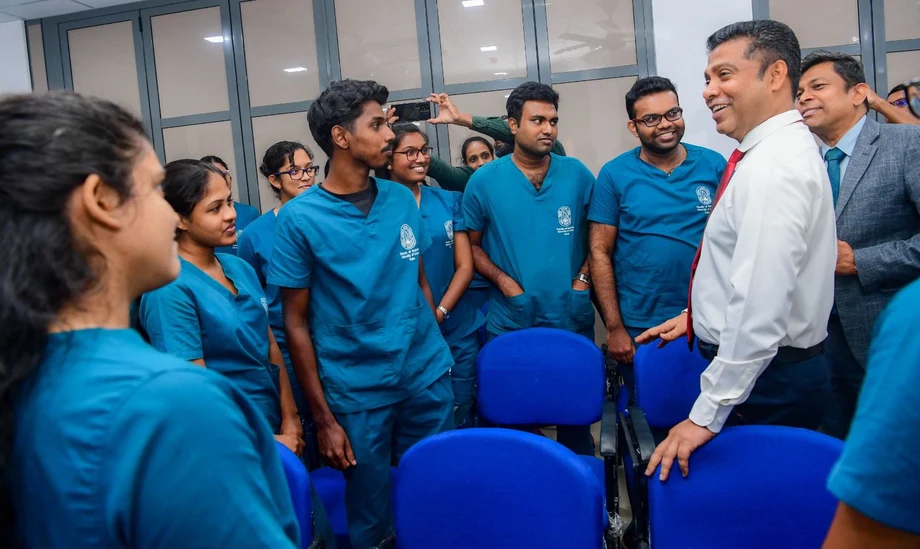
Jayatissa presented the figures at NephCON 2026, the seventh annual scientific congress of the Sri Lanka Society of Nephrology (SLSON). He attended the opening ceremony as chief guest at the Shangri-La Hotel in Colombo. The international meeting ran from November 24 to 26, 2026, under the theme Kidney Health for All: Early Action, Lasting Impact.
The minister cited SLSON data for the population estimate. Numerically, the 112,000 reported cases equal about 5% of the estimated 2.2 million total, or roughly one reported case for every 20 people estimated to be affected. One figure counts patients appearing in official records, while the other estimates the total burden across the population. The distance between those scales explains why Jayatissa wants testing to reach people before they arrive at hospitals with complications.
His central message was that treatment alone cannot carry the response. Prevention, earlier diagnosis and proper treatment could reduce the number of newly reported patients reaching the final stage of kidney disease by 30%, he said. That estimate concerns new advanced cases each year, rather than a 30% reduction in everyone estimated to have chronic kidney disease.
What Do Kidney Failure and Dialysis Mean?
Kidneys filter waste and excess fluid from the blood, help control fluid balance and perform other tasks needed to keep the body working. Chronic kidney disease means that kidney damage or reduced function persists over time. Early stages may produce few obvious symptoms, allowing damage to progress before a person seeks help.
When kidneys reach their final stage of failure, they can no longer perform enough of that filtering work without medical support. Dialysis artificially removes waste and excess fluid from the body. It can sustain life, but it does not repair the damaged kidneys. A transplant can take over much of that work when a suitable donor kidney is available, although surgery and continuing medical care are required.
The roughly 8,000 dialysis patients form only a small part of the 112,000 reported chronic kidney disease cases because the diagnosis also covers people whose kidneys still retain some function. Patients at earlier stages may need monitoring, medicines and treatment for related conditions rather than dialysis. Finding those patients sooner creates an opportunity to slow further damage.
Dividing the annual dialysis expenditure of 16.8 billion rupees by the approximate 8,000 recipients gives an average of about 2.1 million rupees per patient each year. This is an arithmetic average across the programme, not a bill that every patient receives. It illustrates the financial weight of advanced kidney failure alongside the personal burden of continuing treatment.
Screening Moves Closer to Communities
Arogya wellness centres are the government's main vehicle for bringing kidney screening and early diagnosis closer to communities. Jayatissa said the health service should not wait until patients develop complications and arrive at hospitals. Instead, the centres are expected to extend testing beyond specialist settings and identify people who need further assessment or treatment.
Nearly 6,000 doctors and nursing staff have already received special training for this work. Their role matters because expanding the number of testing locations without trained personnel would not necessarily produce accurate referrals or consistent care. For a patient, the intended change is straightforward: a warning sign can be investigated nearer home, before kidney damage becomes severe enough to require dialysis.
The minister linked effective screening and proper treatment to a possible 30% annual reduction in newly reported patients with advanced kidney failure. He did not announce a deadline for achieving that reduction, a baseline count of new advanced cases or an estimate of the money it could save. Those details will determine how progress can be measured against the 16.8 billion rupees now spent on dialysis each year.
What Changed Between 2024 and 2026?
Government figures span two treatment years and the November 2026 congress, providing a short sequence for Sri Lanka's kidney care response.
- 2024: Sri Lanka performed 241 kidney transplants.
- 2025: Reported chronic kidney disease cases reached 112,000, while Jayatissa put the annual transplant count at 557.
- November 24 to 26, 2026: Specialists gathered in Colombo for NephCON 2026 as the minister set out the screening, training and digital record plans.
The dates place the transplant increase before the latest push for earlier detection. They also show that the 30% reduction is a goal associated with the new approach, rather than a result already recorded in the figures presented at the congress.
Transplant Services Expand as New Registries Are Planned
Kidney transplants rose from 241 in 2024 to 557 in 2025, according to Jayatissa. That represents an additional 316 operations, an increase of about 131%, and means the annual count more than doubled. For patients who receive a functioning transplant, the operation can remove the need for dialysis, although access depends on medical suitability and the availability of donor organs.
Two digital initiatives are intended to support the next stage of the programme. The government is working to establish a national kidney patient data system and a national organ transplant waiting registry under its health sector digitalisation programme. A national patient record can bring information about kidney disease into a more consistent system, while a waiting registry can provide a formal structure for managing people awaiting transplants.
Jayatissa did not give launch dates, costs or detailed operating arrangements for either system. The immediate progress is therefore clearest in the transplant totals and staff training, while the national databases remain planned infrastructure. Their eventual usefulness for patients will depend on whether records are complete, current and available to the teams providing care.
NephCON Brings Specialists Together Around Prevention
Nephrology, the medical specialty concerned with kidneys, supplied the congress with an agenda extending beyond dialysis. Sessions were designed to exchange knowledge on early recognition of chronic kidney disease, better treatment methods, sustainable responses and disease control. Care for children and older patients, current research, prevention and modern medical technology also formed part of the programme.
Sri Lankan nephrologists were joined by experts from the United Kingdom, Australia, India, Hong Kong, the United States and Singapore. Organisational support came from the International Society of Nephrology (ISN), ISN India and the Asia Pacific Society of Nephrology (APSN). Their participation gave local clinicians access to international experience as Sri Lanka considers how to expand screening and organise patient information nationally.
The practical measures announced beside the scientific programme are now concrete enough to track: the reach of Arogya screening, the work of nearly 6,000 trained staff, the number of new advanced cases and the creation of the two national registries. Jayatissa has supplied a 30% goal for reducing new advanced cases, but no target date or savings projection. The existing figures provide the starting point: 2.2 million people estimated to be affected, 112,000 reported patients, about 8,000 people on dialysis and 557 transplants in 2025.
At a Glance
- An estimated 2.2 million Sri Lankans, about 10% of the population, have chronic kidney disease.
- Reported cases reached 112,000 by 2025, equivalent to roughly 5% of the population estimate.
- About 8,000 patients receive dialysis at an annual cost of approximately 16.8 billion rupees.
- Arogya wellness centres and nearly 6,000 trained medical staff are central to the screening push.
- Early detection and proper treatment could cut newly reported advanced cases by 30% annually, according to the minister.
- Kidney transplants increased from 241 in 2024 to 557 in 2025.
- National kidney patient and organ transplant waiting registries are planned, but no launch dates were announced.