Which Radeon cards are expected to go first?
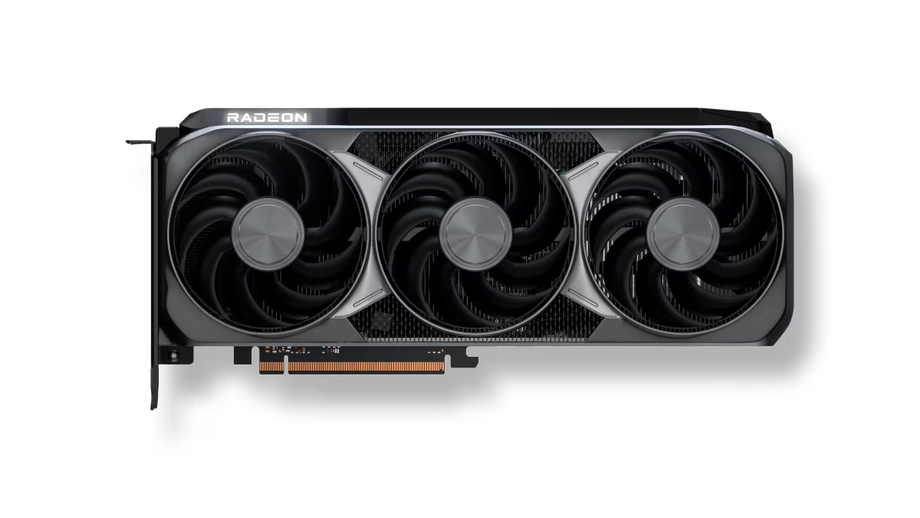
A retail schedule circulating in late November 2026 points to early 2027 for the first AMD Radeon RX 9070 XT production cuts, followed by a staggered withdrawal of other RDNA 4 cards through 2028. The first affected products are the most expensive partner versions: heavily overclocked cards with three fans or liquid cooling, sold at the largest premiums over AMD's suggested price.
Contents
- Which Radeon cards are expected to go first?
- Why are the premium versions leaving first?
- When could RDNA 5 and the RX 10000 series arrive?
- How do consoles fit into the next architecture?
- Why did RDNA 4 struggle to gain ground?
- What is happening to Nvidia's RTX 50 range?
- What should buyers expect between 2027 and 2028?
- What to Know
The schedule is attributed to leaker Moore's Law Is Dead and retail channel contacts. AMD has not publicly confirmed those dates, which can move with inventory. A November 23 account described the retirement as a formal AMD announcement, while the channel account explicitly says public confirmation is absent. The practical information for buyers is therefore a working timetable, not a guaranteed calendar.
RDNA is AMD's name for the basic design behind its Radeon graphics processors. RDNA 4 powers the RX 9000 desktop cards covered by this schedule, while RDNA 5 is the expected successor. The reported withdrawal would happen in stages rather than remove the entire RX 9000 range at once.
- Early 2027: Production is expected to end for premium RX 9070 XT versions with large cooling systems, substantial overclocks and the highest price premiums.
- Late 2027: The standard RX 9070 is scheduled to end production.
- Early 2028: Supply of the basic RX 9070 XT version sold near its original suggested price is expected to wind down.
- Throughout 2028: The RX 9070 GRE, RX 9060 and RX 9060 XT are expected to remain available, extending the life of the cheaper part of the range.
The RX 9070 GRE is described in the original account as a possible model, so its appearance in the timetable is not a product launch announcement. The broader message is that RX 9000 cards will not all disappear from shops in early 2027.
Why are the premium versions leaving first?
Board partners are the companies that build their own versions of an AMD graphics card, often changing the cooler, power limits and operating speeds. Overclocking means running the processor faster than its reference settings. That can raise performance, but it also creates more heat and helps explain the need for three fans or liquid cooling.
Retail contacts describe a simple commercial logic for cutting these versions first. Their large coolers and higher speeds place them at the top of the RX 9070 XT price range. Removing them would clear space for a future replacement while cheaper cards continue serving buyers who are not ready to purchase a new generation.
AMD has used this kind of overlap before. The company kept the RX 7600 XT on sale after introducing newer products, allowing the older card to cover a lower price band while newer models served the middle and upper parts of the market. The reported RDNA 4 schedule follows that pattern and also gives retailers time to sell existing stock.
End of life, often shortened to EOL, refers here to production or shipments rather than a single day when every card vanishes. Shops can continue selling inventory after a factory stops making a model. A related account says some expensive RX 9070 XT versions could remain on sale through the first quarter of 2027, which fits a production stop followed by gradual sell through.
When could RDNA 5 and the RX 10000 series arrive?
AMD has not announced RDNA 5 or given it a release date. The most common expectation is still a desktop launch before the end of 2027, but the estimates attached to that expectation cover a wide period.
Moore's Law Is Dead cited a major source from an original equipment manufacturer, a company involved in producing complete computer systems, as pointing to initial desktop shipments around the middle of 2027. That source said it would be surprised if the cards did not arrive during 2027. Board partners speaking at Computex 2026 were more cautious, expecting the second or third quarter of 2027 at the earliest.
- The middle of 2027 is the timing given for possible first desktop shipments by the major manufacturing source.
- The second or third quarter of 2027 is the earliest window expected by board partners at Computex 2026.
- Late 2027 or early 2028 appears in other estimates that cite component shortages and market conditions.
- CES 2028 is mentioned as the earliest alternative showcase if an earlier desktop plan slips into 2028.
Several Chinese accounts call the next desktop family the RX 10000 series and say it had originally been planned for the middle of 2027. AMD has announced neither that family name nor a launch event. The different shipment, launch and exhibition dates also describe different milestones, so they cannot be treated as one fixed calendar.
The early 2027 cutoff for premium RX 9070 XT cards would fall several months before the most frequently suggested launch window. That creates a recognizable inventory clearance period: expensive older cards leave production, retailers reduce their remaining stock and the top of the range becomes available for a successor. A launch during 2027 remains a target rather than a promise.
How do consoles fit into the next architecture?
Console claims add another layer of interest, but also another layer of uncertainty. One detailed account says RDNA 5 is expected to power the next Xbox, known as Project Helix, and the PlayStation 6, with both machines reportedly targeting 2027. Wider use in consoles would extend the architecture beyond desktop graphics cards sold for personal computers.
Other Chinese accounts instead name the existing PlayStation 5 and Xbox Helix, saying they will use RDNA 5 graphics cores and appear at the end of 2027. Those descriptions are inconsistent about the console names. No hardware statement from AMD, Sony or Microsoft accompanies either version, leaving the console models, specifications and dates unconfirmed.
Expectations for RDNA 5 itself include better conventional rendering, ray tracing and AI processing. Conventional rendering, sometimes called rasterisation, turns game geometry into the image on screen. Ray tracing simulates the behaviour of light to produce effects such as reflections and shadows, while AI processing can assist with demanding graphics tasks.
The accounts looking ahead also expect AMD to return to flagship products after skipping that part of the desktop market with RDNA 4. AMD has not published RDNA 5 specifications, card names or performance targets. Claims of a broad improvement therefore describe expectations for the architecture, not measured results from finished products.
Why did RDNA 4 struggle to gain ground?
RDNA 4 improved efficiency, ray tracing and AI capabilities compared with RDNA 3, yet Chinese market accounts describe its commercial record as disappointing. Their central criticism is product positioning: the RX 9000 range did not include a flagship capable of challenging Nvidia's highest performance tiers, leaving the RX 9070 XT to compete lower in the market.
The RX 9070 XT and standard RX 9070 attracted attention for their value when they launched, but supply initially failed to keep pace. Later pressure from the AI boom and rising memory prices further complicated deliveries. VRAM, the memory mounted on a graphics card, holds textures and other data needed by games; higher memory costs can feed directly into higher card prices.
AMD later introduced the RX 9050, but only for original equipment manufacturers and system integrators rather than ordinary retail buyers. Those companies install components in complete computers. Limiting the RX 9050 to that channel meant it could not fill the gap for people seeking an inexpensive standalone card in a shop.
The same accounts put AMD's discrete graphics market share at roughly 8%, down from a 2024 high near 15%, with a low around 6%. Taken at face value, the fall from 15% to 8% is seven percentage points and leaves the current figure just over half its earlier level. The reports do not identify a research dataset or quarter for those percentages, so they provide an indicated direction rather than a fully defined market series.
What is happening to Nvidia's RTX 50 range?
Nvidia's revised retail plan reportedly reached sellers around the same time as AMD's schedule. It also places expensive products first in the withdrawal queue while allowing mainstream cards to continue for much longer.
- January 2027: The flagship RTX 5090 could enter its end of life stage.
- Early 2027: Some expensive RTX 5080 versions could also begin leaving the market.
- Early 2028: The RTX 5080, RTX 5070 and RTX 5070 Ti could remain in circulation until this point.
- Late 2028: The RTX 5060 could continue until the end of 2028, making it one of the longest serving models in the reported plan.
Nearly two years could separate the first and last of those withdrawals. The pattern resembles AMD's approach: flagship products make room earlier, while cheaper models continue meeting demand and using up inventory.
One reading of Nvidia's timetable is that the RTX 60 series could arrive in late 2027 or early 2028 if the company maintains a relatively close transition between generations. That is an interpretation of product lifecycles, not an Nvidia launch announcement. The same timetable leaves less room for an RTX 50 Super range to enjoy a normal sales period, making its arrival uncertain.
AMD's decision to keep several RDNA 4 models available through 2028 does not impose the same delay on RDNA 5. AMD has previously sold two generations together. Neither AMD nor Nvidia has confirmed a shared reason for the overlapping schedule changes.
What should buyers expect between 2027 and 2028?
Choice among premium RX 9070 XT designs should narrow first during 2027 if the schedule holds. Buyers wanting the largest coolers or the strongest factory overclocks could see those versions become harder to find while basic RX 9070 XT cards remain available. The standard RX 9070 and the RX 9060 family follow different timetables, so the disappearance of one premium model would not signal the end of the range.
Availability and price are separate issues. The schedule identifies a basic RX 9070 XT category sold near its launch suggested price, but it does not guarantee what retailers will charge in 2027 or 2028. Rising VRAM costs were already pushing graphics card prices higher, while RTX 5070 Ti supply had been described as drying up earlier in 2026.
Explanations for the broader market changes remain speculative. The original Chinese account raises cooling demand for AI computing as one possible reason AMD and Nvidia might renew their focus on consumer competition. Other accounts point to the AI boom, expensive memory and constrained supply as pressures on RDNA 4. Neither company has confirmed those explanations for its product schedule.
People waiting specifically for RDNA 5 should treat 2027 as the central target, with early 2028 still present in some estimates. No exact launch date has been announced. People needing a card sooner are expected to have RDNA 4 choices through 2028, although the selection at the expensive end could shrink first. Even the reported retail milestones remain adjustable as inventory levels change.
What to Know
- Premium, heavily overclocked RX 9070 XT cards are scheduled to end production first, in early 2027.
- The standard RX 9070 is slated for late 2027, while the basic RX 9070 XT could remain available until early 2028.
- The RX 9070 GRE, RX 9060 and RX 9060 XT are expected to continue through 2028.
- AMD has not publicly confirmed the retail timetable, and inventory could change every date.
- RDNA 5 estimates range from the middle of 2027 to early 2028, with a launch during 2027 remaining the most common expectation.
- Claims involving Project Helix, PlayStation 6 and other consoles are unconfirmed and inconsistent about model names.
- Nvidia's reported schedule runs from a possible RTX 5090 withdrawal in January 2027 to RTX 5060 availability lasting until late 2028.
- The RX 9000 series will not vanish at once; production stops and retail availability will occur gradually.