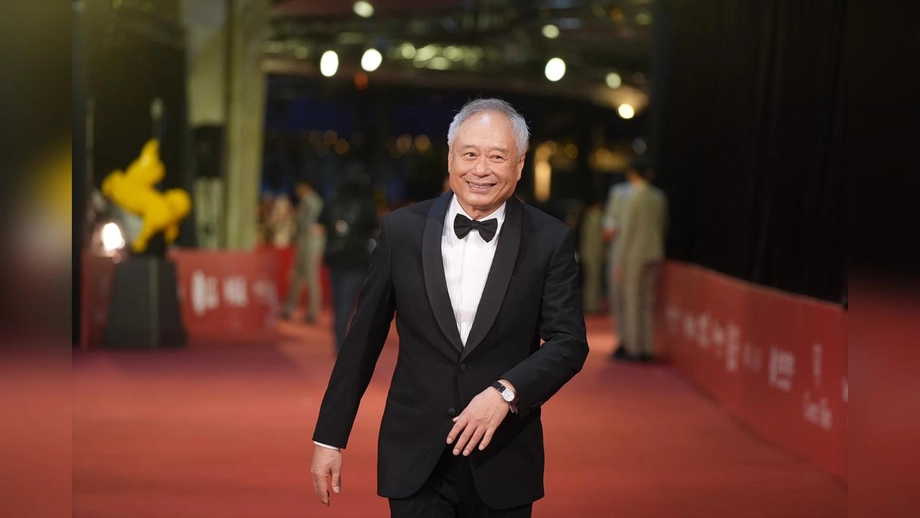
A Celebrated Homecoming on the Taipei Red Carpet
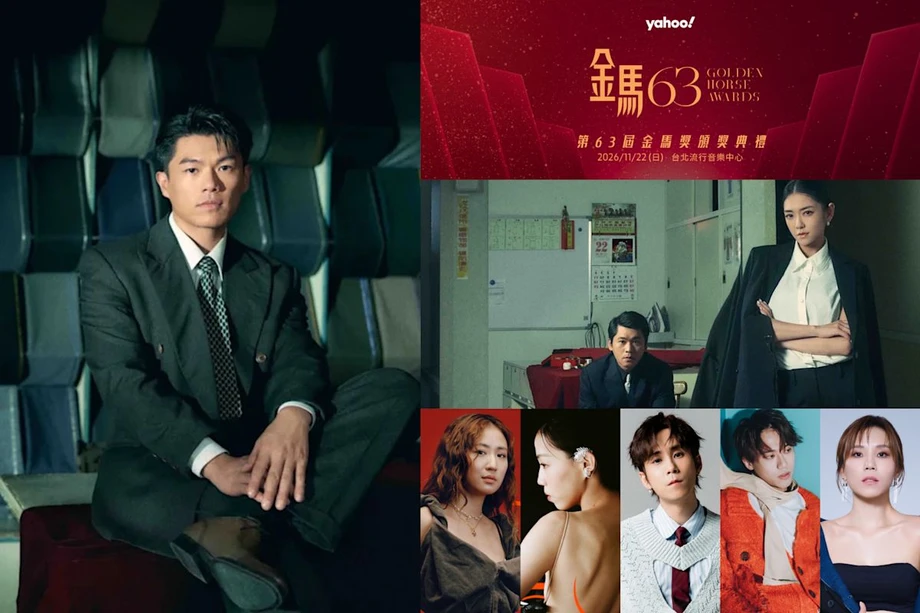
Ang Lee, the internationally acclaimed filmmaker who twice won the Academy Award for Best Director, declared his enduring devotion to Taiwan cinema during the 63rd Golden Horse Awards on Sunday, November 22, 2026. Arriving at the Taipei Music Center in the Nangang District of Taipei dressed in a classic black suit jacket and bow tie, the 72 year old director captured the spotlight as soon as he stepped onto the red carpet ahead of the 6:30 p.m. ceremony.
Contents
The Golden Horse Awards are widely recognized as the Taiwan equivalent of the Academy Awards and represent one of the highest honors in Chinese language filmmaking. For Lee, who previously served four terms as chair of the Taipei Golden Horse Film Festival Executive Committee, this year marked a change in responsibility. Having stepped down from the leadership post and passed the baton to actor Chang Chen, Lee returned to the annual celebration purely as an award presenter and supporter of the filmmaking community.
Veteran television personality Yang Chien-pei, who hosted the red carpet festivities that began at 5 p.m. alongside actor Huang Di-yang, greeted Lee and asked if he had any words of encouragement for the gathered creators and nominees. Lee responded warmly, expressing how much the annual gathering means to him personally and professionally.
Cinema is the most fascinating thing. My heart has always been with Taiwan cinema. Every time, in one clean sweep, being able to see the best performing filmmakers of the year all at once is a huge joy for me, so I truly cherish the opportunity to meet everyone, and I wish the Golden Horse Awards smooth sailing forever.
Two Oscar Winners Share the Golden Horse Stage
Later in the evening, Lee walked onto the main stage of the Taipei Music Center alongside South Korean director Bong Joon-ho, the Academy Award winning creator of Parasite. The two internationally celebrated directors teamed up to present two of the night's most closely watched prizes: Best New Director and Best Director.
The appearance marked the first time Bong had ever visited Taiwan and his debut participation in the Golden Horse Awards. Despite it being Bong's first trip to the island, Lee told the audience that the South Korean filmmaker had established a deep bond with Taiwan cinema very early in his career, and noted that Bong's motion pictures have influenced audiences and film workers around the globe.
As the two directors stood together at the podium, solo ceremony host Will Or, a Hong Kong actor guiding the evening's program, seized the moment to pitch himself directly to the pair from the stage. Or called out to the two filmmaking giants to say that he had no issues with any role and that his schedule was completely free, drawing laughter from the industry audience as he volunteered to act in their future projects.
Servants of Cinema and Advice for Emerging Creators
Before opening the envelopes for the directing categories, Lee and Bong offered candid reflections on the craft of filmmaking to the nominees sitting in the auditorium. Bong kept his encouragement to emerging directors concise, advising them with a single phrase to simply make the movies that they themselves want to see.
Lee immediately agreed with his South Korean colleague on stage, affirming that possessing one's own distinct directorial style is vital. Drawing on a career in motion pictures that spans more than 35 years and includes his Oscar triumphs for Brokeback Mountain and Life of Pi, Lee shared a personal realization about how his relationship with the medium has changed over the decades.
When I was young, I felt that I was making movies, but now I feel that movies are making me. We are all servants of cinema.
Lee went on to describe all directors as people who dedicate their very souls to cinema, a description that drew strong applause and recognition from the filmmakers assembled in the venue. When the awards were announced, Taiwanese drama comedy Double Happiness emerged as one of the evening's top winners, claiming three trophies including the Best Director prize for Joseph Hsu Chen-chieh and Best Leading Actor for Liu Kuan-ting.
Speaking with an Authentic Voice in Transnational Production
Speaking with reporters during the event about the future development of Chinese language cinema and the growing trend of cross border collaborations, Lee stressed that the primary obligation of any creator is to express an authentic personal perspective. He welcomed the ability of modern film productions to combine financial resources and creative talent from different countries, noting that working with international teams can produce mutually beneficial results on screen.
Even as crews and financing cross borders, Lee cautioned that technical or financial cooperation must serve the core artistic vision rather than replace it. He reminded filmmakers that holding onto the genuine ideas they want to convey inside their hearts remains paramount, adding that speaking in one's own voice is the most important element of all.
The 63rd edition of the awards illustrated that blend of local identity and international cooperation across its categories. Following the 63rd Golden Horse Awards lineup that drew 587 total submissions and was evaluated by a jury led by veteran filmmaker Sylvia Chang, projects combining regional histories with multinational crews took home top honors. Among the 587 total entries were 92 narrative feature films, three animated features, 60 documentaries, 294 narrative short films, 71 documentary shorts, and 67 animated shorts.
That spirit of international collaboration was visible in Singapore cinema's historic three wins during the Sunday ceremony. Five Singaporean productions had earned 15 nominations in total, and the animated feature The Violinist won both Best Animated Feature and Best Adapted Screenplay after mobilizing more than 200 animators worldwide under Singaporean director Ervin Han and Spanish co-director Raul Garcia, while Anthony Chen's drama We Are All Strangers won Best Original Film Score.
Generational Continuity and International Star Power
Lee's decision to step back from his administrative dutiesafter four terms as executive committee chair allowed him to enjoy the ceremony alongside fellow former chairs Sylvia Chang and cinematographer Li Pin-bin, all of whom attended to support new chairman Chang Chen. The leadership handover highlighted a smooth generational transition for the festival institution.
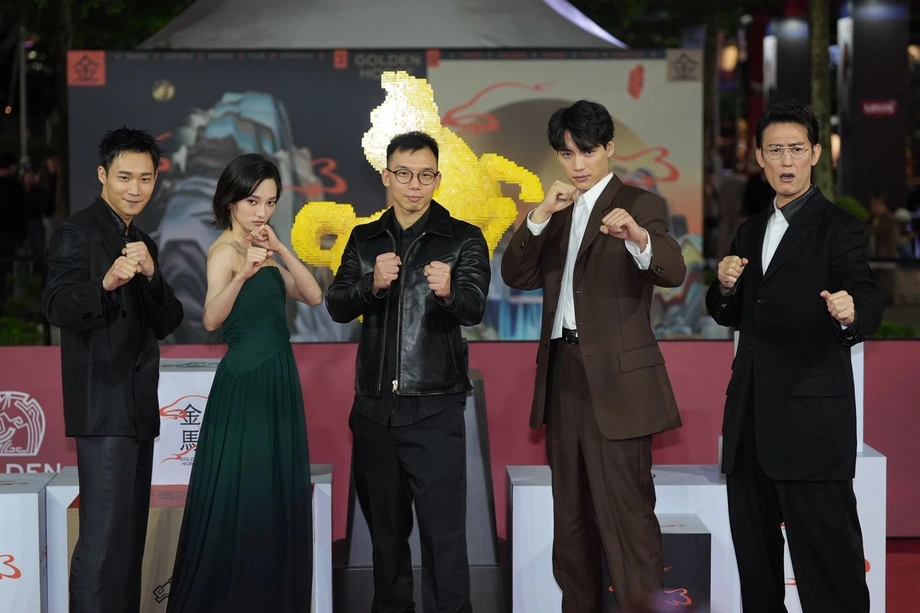
Alongside Lee and Bong, the ceremony brought a broad roster of international presenters and nominees to Taipei. Japanese filmmaker Hiroyuki Tanaka, professionally known as Sabu, walked the red carpet in support of his dark comedic crime thriller Arrested Memory, which led all contenders this year with 11 nominations including Best Narrative Feature and Best Director. Actress and filmmaker Shu Qi followed closely behind with 10 nominations for her directorial debut Girl.
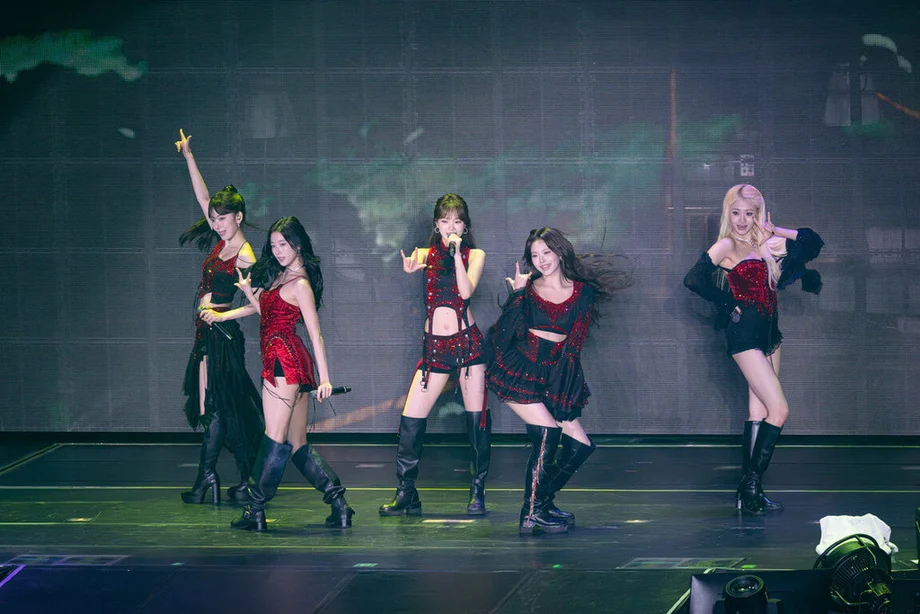
Other prominent international presenters who joined Lee on the red carpet and stage included Japanese actress Rinko Kikuchi, who presented alongside previous Golden Horse Best Actress winner Gwei Lun-mei, and Hong Kong star Carina Lau, who returned to the Golden Horse stage to present Best Actress. Following Sota Fukushi's festival closing appearance a day earlier, the Japanese actor teamed up with actress Hsieh Ying-huan to present awards, while Taiwan born singer Yeh Shuhua of the South Korean girl group i-dle made her debut on the Golden Horse stage alongside actor Austin Lin.
- October 1, 2026: Actors Ma Shih-yuan and Jimmy Liu announce the nominations for the 63rd Golden Horse Awards from a pool of 587 submissions at a press conference in Taipei.
- November 21, 2026: The Golden Horse Film Festival concludes its screenings at the Taipei Music Center ahead of the main awards night.
- November 22, 2026, 5:00 p.m.: The red carpet walk opens at the Taipei Music Center in Nangang District, hosted by Yang Chien-pei and Huang Di-yang, where Ang Lee pledges his devotion to Taiwan cinema.
- November 22, 2026, 6:30 p.m.: The 63rd Golden Horse Awards ceremony begins under host Will Or, featuring Ang Lee and Bong Joon-ho presenting the Best New Director and Best Director awards.
Key Points
- Two time Oscar winning director Ang Lee, 72, attended the 63rd Golden Horse Awards at the Taipei Music Center on November 22, 2026, as an award presenter after passing the executive committee chairmanship to actor Chang Chen.
- Speaking on the red carpet to host Yang Chien-pei, Lee declared that his heart is always with Taiwan cinema and said seeing the year's best filmmakers together brings him immense joy.
- Lee shared the stage with South Korean Oscar winning director Bong Joon-ho, who made his first visit to Taiwan to co-present the Best New Director and Best Director awards.
- Reflecting on more than 35 years in filmmaking, Lee told the audience that directors are all servants of cinema who dedicate their souls to movies, while Bong advised new directors to make the films they want to see.
- Addressing transnational film production, Lee welcomed international resource sharing while urging Chinese language filmmakers to preserve their inner creative ideas and speak in their own voices.