A Historic Triumph at the Taipei Music Centre
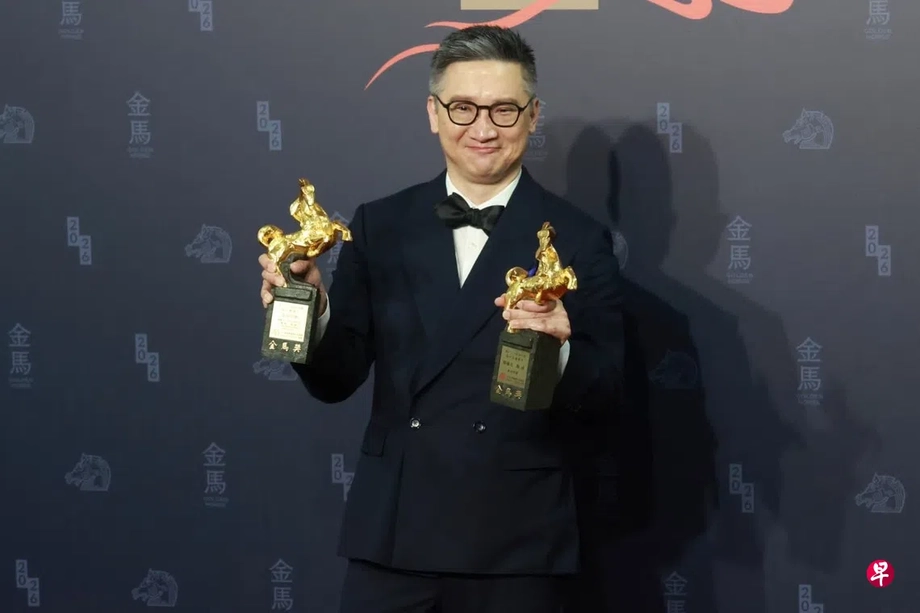
Singapore cinema achieved a major milestone on Sunday, November 22, 2026, when the animated feature film The Violinist secured two prestigious prizes at the 63ergic Golden Horse Awards held at the Taipei Music Centre. The film claimed victory in both the Best Animated Feature and Best Adapted Screenplay categories, marking a high point for local storytelling on an international stage. Five Singaporean films secured a record-breaking total of 15 nominations for the annual event, which is widely considered one of the highest honors for Chinese-language cinema.
Contents
The winning production stands as a decade-long labor of love for local writer and director Ervin Han, who shares the Best Adapted Screenplay win with co-writer Jordan Katherine See. The narrative follows two talented young musicians whose lives, friendship, and artistic dreams are torn apart by war and the Japanese Occupation of Singapore and Malaya. The project traces its origins back to a 15-minute animated short titled The Violin, which was created in 2015 to commemorate Singapore's Golden Jubilee.
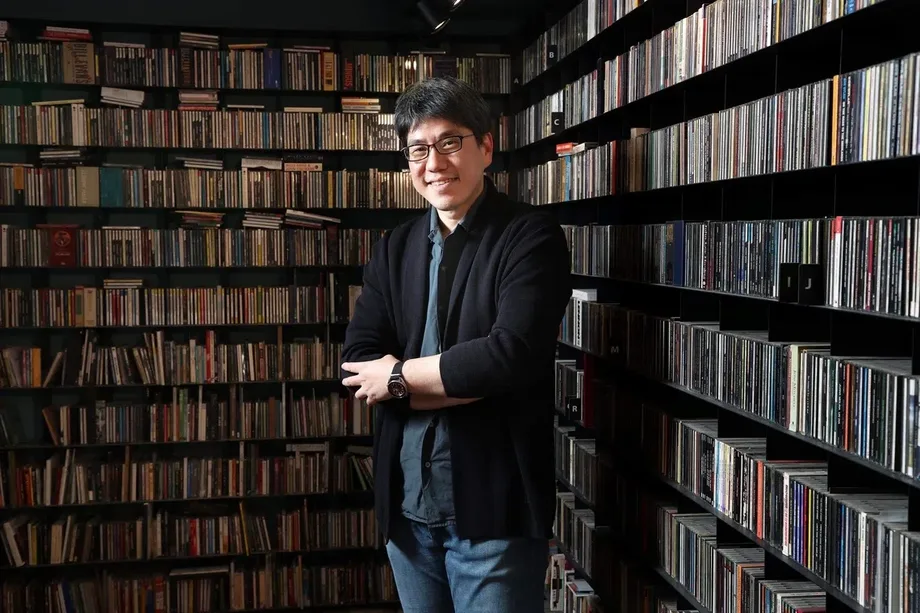
Co-director Ervin Han, 51, spoke about the profound personal meaning behind the project and its connection to his homeland during his acceptance speeches at the ceremony. When taking the stage to accept the writing award, he described the film as a heartfelt tribute to the nation.
This film has always been about telling a story deeply rooted in Singapore's history, while exploring themes of love, friendship, and resilience that resonate beyond borders.
Global Collaboration Brings Local History to Life
Creating an animated feature film of this scale required crossing international borders because the domestic animation market in Singapore is relatively small. Director Ervin Han partnered with Spanish animator Raul Garcia to co-direct the project, bringing together creative talents from different parts of the world. The production ultimately mobilized more than 200 animators globally over its ten-year development cycle, operating with a production budget of nearly six million dollars.
The creative team also included Italian artists who joined the production later in the process, combining diverse cultural backgrounds to portray a pivotal era of Southeast Asian history. The musical landscape of the film was shaped by Singaporean composer Ricky Ho and Spanish composer Isabelle Latorre, whose collaborative work earned them a nomination in the Best Original Film Score category alongside violinist and singer Joyy, who performed the primary solo recordings.
Before its success in Taipei, the film earned international acclaim in June by winning the Cristal for a feature film, the highest honor at the Annecy International Animation Film Festival, alongside the SACEM Award for its soundtrack. It also secured the Best Animated Film prize at the Asia Pacific Screen Awards. During the ceremony in Taiwan, the Best Animated Feature award was presented by Hong Kong actors Tin Chi-wen and Louise Wong.
Family Dedications and Personal Tributes
Director Ervin Han expressed deep gratitude to his family during his time on stage, offering a touching message to his parents who watched the broadcast from home. His father, Han Lao Tao, is a recognized local playwright and xiangsheng (cross-talk) writer, while his mother, Gao Hui Bi, is a veteran Chinese-language theater actor and speech arts educator.
Thank you to my mum and dad, who are watching me at home on TV. Thank you for your love and support, I hope you can be proud of me tonight.
Following his wins, Han planned to send immediate text messages to update his parents, noting that the entire Singaporean production team being present in Taiwan served as their collective lucky charm. The competition in the Best Animated Feature category was intense, with The Violinist ultimately defeating Sun Xun's The Magic Star and You Zhi-hao, Fu Rui-cun, and Liu Yu-shu's Welcome to Doli's House.
A Broader Wave of Southeast Asian Cinema
The success of The Violinist unfolded alongside a broader wave of recognition for Southeast Asian filmmakers at the 63rd Golden Horse Awards. Film critic Weng Huang-de noted that as commercial films from mainland China and Hong Kong have become less prominent at the event in recent years, creators from Singapore and Malaysia have emerged as central pillars of contemporary Chinese-language film aesthetics.
Singaporean director Anthony Chen returned to the festival with We Are All Strangers, which led the nation's contenders with seven nominations, including Best Narrative Feature, Best Director, and Best Leading Actress for Yeo Yann Yann. The film serves as the final installment in Chen's acclaimed growth trilogy, exploring complex family dynamics within contemporary Singaporean society.
Another notable local entry was the film Ah Girl, which earned three nominations, including a Best New Performer nod for 10-year-old actress Ong Xuan Jing. The young star captured significant media attention during the pre-ceremony events in Taiwan, drawing crowds of photographers and fans alike.
Timeline of Key Developments
- 2015: The original short film The Violin is released to commemorate Singapore's Golden Jubilee.
- June 2026: The feature-length adaptation wins the top Cristal prize at the Annecy International Animation Film Festival.
- November 17, 2026: Violinist Joyy holds a press event in Taipei to promote her new album ahead of the film's award screenings.
- November 21, 2026: Nominated filmmakers attend the traditional pre-ceremony banquet, where young star Ong Xuan Jing draws widespread attention.
- November 22, 2026: The Violinist wins Best Adapted Screenplay and Best Animated Feature at the Taipei Music Centre.
The Essentials
- The Violinist won Best Animated Feature and Best Adapted Screenplay at the 63rd Golden Horse Awards.
- The film took ten years to make, cost nearly six million dollars, and involved over 200 animators worldwide.
- Directors Ervin Han and Raul Garcia led the project, which is adapted from a 2015 short film.
- Five Singaporean films received a record 15 nominations at the 2026 ceremony.
- The narrative is set during the Japanese Occupation and follows two young musicians whose lives are disrupted by war.