Poultry Producers Pledge Stable Egg Prices and Cheaper Chicken
Egg producer associations across Sri Lanka agreed on Monday, November 23, 2026, not to raise egg prices during the festive season, according to the Ministry of Trade, Commerce, Food Security and Cooperative Development. Chicken producers and trade associations at the same meeting assured officials that chicken will reach shoppers without shortages and that retail chicken prices are already falling.
Contents
- Poultry Producers Pledge Stable Egg Prices and Cheaper Chicken
- Why Egg Prices Climbed Before the Meeting
- How Chicken Supply Differs From the Egg Market
- Who Joined the Ministry Discussions
- Feed Obstacles Hurting Smaller Egg Farms
- Consumer Affairs Authority Directed to Regulate Feed Makers
- What Households and Farmers Watch Next
- Key Points
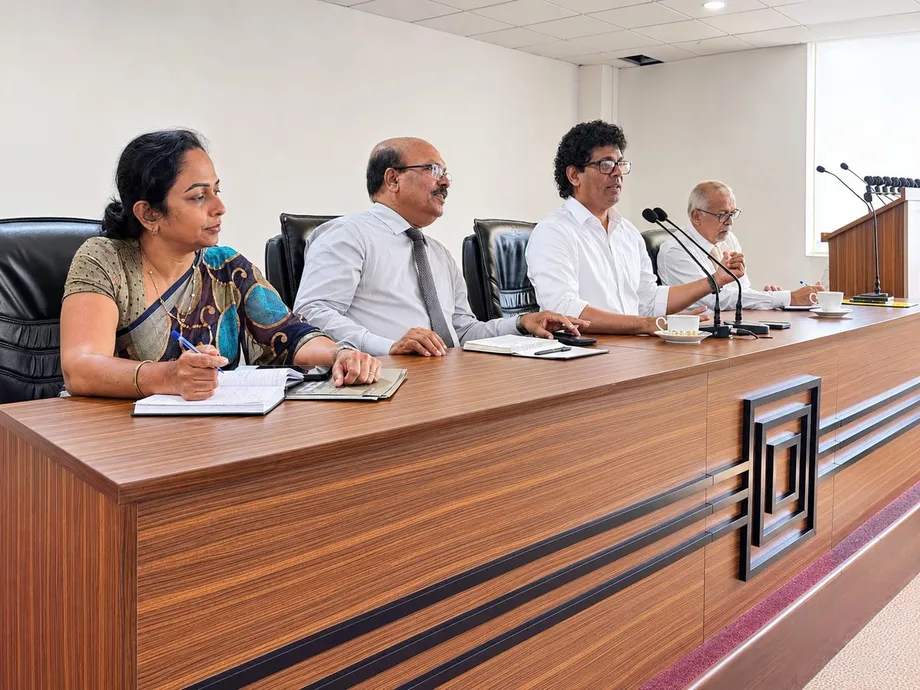
Trade, Commerce, Food Security and Cooperative Development Minister Wasantha Samarasinghe chaired the special discussion at the ministry. Representatives from egg and chicken trade groups, poultry producers operating both small and large farms, distributors, and animal feed manufacturers took part in the talks aimed at keeping holiday food supplies steady.
Minister Samarasinghe told participants that while chicken prices had begun declining in local markets, egg prices had climbed. Keeping eggs affordable without additional price increases during the festive period was a central priority for the government, the ministry stated in a media release issued on November 23.
Why Egg Prices Climbed Before the Meeting
Retail egg prices in Sri Lanka had increased to between Rs. 42 and Rs. 45 per egg ahead of the November 23 agreement as household demand strengthened before the holiday season. For families buying eggs daily, that price range increased food expenses at a time when festive demand was already climbing.
Anurasiri Marasinghe, Secretary of the All Ceylon Egg Producers Association, attributed the earlier price jump to rising production costs and lower farm output caused by heavy rainfall. Heavy rain can disrupt poultry operations by raising transport and farm maintenance expenses and stressing laying hens, which reduces daily egg output.
Ajith Gunasekara, President of the All Island Poultry Association, warned ahead of the agreement that egg prices could continue rising until January 2027 if supply pressures persisted. By securing a pledge from producer associations to hold prices at existing levels through the festive weeks, the ministry sought to halt that upward trend, though officials did not announce a fixed legal price ceiling in rupees.
How Chicken Supply Differs From the Egg Market
Chicken prices moved in the opposite direction to eggs in the weeks leading up to November 23, giving shoppers relief on meat costs. Chicken producers and traders assured the ministry that market prices are already on a downward path and will keep falling as steady supplies reach retail counters throughout the festive season.
Poultry meat and eggs react on different timelines when costs or weather shift. Chickens raised for meat reach market weight within weeks, allowing farms to adjust output faster, whereas hens kept for egg production take months to mature and depend on stable daily nutrition to lay consistently.
Consumers preparing festive meals therefore face mixed conditions at market stalls. Lower chicken prices ease household spending on meat, while the producer pledge aims to prevent eggs from climbing beyond the Rs. 42 to Rs. 45 level seen before the meeting.
Who Joined the Ministry Discussions
Senior government regulators sat alongside industry leaders on November 23 to align supply assurances with oversight of farm inputs. Joining Minister Wasantha Samarasinghe at the table were Ministry Secretary K. A. Vimalenthirarajah and Additional Secretary Gilma Dahanayake.
Consumer Affairs Authority Chairman Hemantha Samarakoon represented the state body responsible for enforcing fair trade rules, monitoring retail markets, and checking product standards. Officials from the Department of Animal Production and Health, the government agency overseeing livestock health, veterinary services, and animal husbandry, also attended the talks.
Private sector participants covered every stage between farms and retail shops. Associations representing egg and chicken traders, producers managing small and large farms, distributors, and animal feed manufacturers took part in the discussion so that bottlenecks in feed, transport, and pricing could be addressed together.
Feed Obstacles Hurting Smaller Egg Farms
Ministry officials and industry representatives noted during the November 23 talks that smaller poultry farms have suffered reduced egg output because of ongoing difficulties with animal feed. According to the ministry, smaller producers struggle with three linked problems: securing raw feed ingredients, dealing with inconsistent feed quality, and lacking the scientific knowledge needed to balance feed formulas properly.
Balanced feed is critical for laying hens because egg production depends on exact daily levels of protein, energy, calcium, and vitamins. When raw ingredients are hard to obtain or feed mixtures fall below nutritional standards, hens lay fewer eggs or produce thinner shells, directly cutting farm supply and raising the cost of each egg.
Larger commercial producers often employ technical staff and source tested feed in volume, leaving smaller farms more exposed when ingredient quality drops. Without accurate guidance on mixing rations, smaller farmers cannot easily compensate for poor raw materials on their own.
Consumer Affairs Authority Directed to Regulate Feed Makers
Minister Wasantha Samarasinghe responded to those production concerns by instructing the Consumer Affairs Authority to tighten oversight of the animal feed industry. Under the directive issued on November 23, the authority must take steps to maintain the quality and proper standards of animal feed sold across the country.
Minister Samarasinghe also ordered the Consumer Affairs Authority to register animal feed manufacturers and inspect their production facilities. Registration gives regulators an official directory of active feed producers, while factory inspections allow officers to check raw ingredients, mixing practices, and storage conditions before feed reaches poultry farms.
Ministry officials did not announce a target date for completing manufacturer registration or specify penalties for facilities that fail inspections. How quickly those checks improve feed quality on smaller farms will depend on continued enforcement by the authority alongside technical support from the Department of Animal Production and Health.
What Households and Farmers Watch Next
Shoppers across Sri Lanka can expect stable egg prices and lower chicken prices through the festive season if producers hold to the commitments made on November 23. Egg prices had already reached Rs. 42 to Rs. 45 before the talks, and the agreement aims to keep them from climbing higher as holiday demand peaks.
The ministry did not announce a separate enforcement mechanism for retail egg sales during the November 23 meeting, meaning price stability rests on compliance by producer and trade associations. Consumer groups and households will see over the coming weeks whether prices hold steady through December and past January 2027, the period Ajith Gunasekara identified as a risk window for further increases.
Poultry farmers running smaller operations face a slower path to recovery because feed quality issues require sustained regulatory action. Registering feed manufacturers and inspecting plants under Consumer Affairs Authority supervision could improve egg output over time, helping stabilize supplies after festive shopping ends.
Key Points
- Trade, Commerce, Food Security and Cooperative Development Minister Wasantha Samarasinghe chaired a special meeting on November 23, 2026, to secure steady festive supplies of eggs and chicken.
- Egg producer associations agreed to maintain egg prices at existing levels during the festive season without raising them further.
- Chicken producers and trade associations assured an uninterrupted chicken supply and confirmed that market prices for chicken are declining.
- Before the agreement, egg prices had climbed to between Rs. 42 and Rs. 45, with All Ceylon Egg Producers Association Secretary Anurasiri Marasinghe citing higher production costs and heavy rainfall.
- All Island Poultry Association President Ajith Gunasekara had warned that egg prices could keep rising until January 2027.
- Ministry Secretary K. A. Vimalenthirarajah, Additional Secretary Gilma Dahanayake, Consumer Affairs Authority Chairman Hemantha Samarakoon, and Department of Animal Production and Health officials joined industry groups at the talks.
- Smaller poultry farms have seen egg output suffer due to feed ingredient shortages, poor feed quality, and limited scientific knowledge on balancing animal feed.
- Minister Samarasinghe instructed the Consumer Affairs Authority to enforce animal feed standards, register feed manufacturers, and inspect production facilities.