Petrol Drops Again While Diesel Holds at Rs357
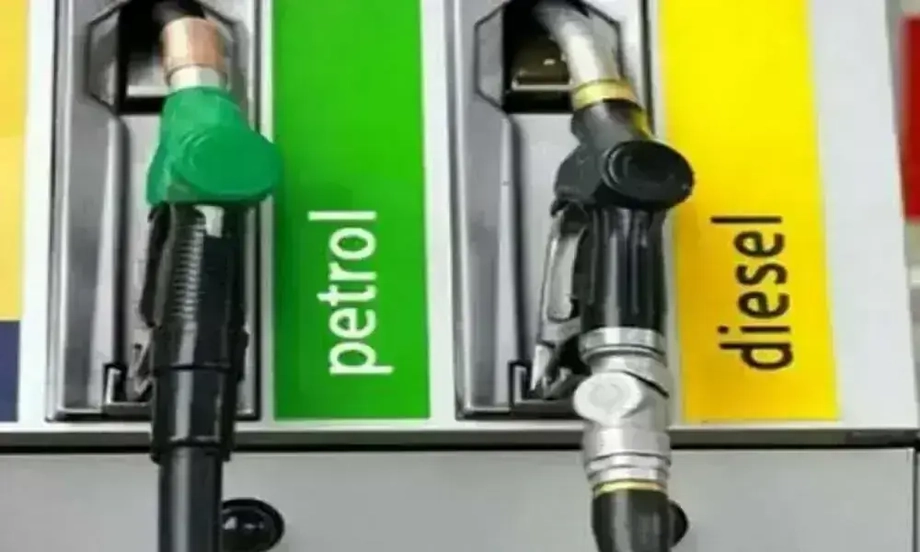
Pakistan reduced the price of petrol by Rs3 per litre to Rs319 for Tuesday, November 24, 2026, while keeping High Speed Diesel unchanged at Rs357 per litre. The Oil and Gas Regulatory Authority, known as OGRA, announced the new nationwide rates in a press release and notification issued on Monday, November 23.
Contents
- Petrol Drops Again While Diesel Holds at Rs357
- How November Delivered Nearly Rs59 in Petrol Relief
- Falling Global Crude Benchmarks Ease Pump Pressure
- How Daily Pricing and Taxes Shape What Drivers Pay
- Petrol Dealers Issue an Ultimatum Over Daily Reviews
- Dealers Demand a Forensic Audit of Refinery Profits
- Targeted Subsidies and Conservation Rules Remain in Force
- The Essentials
Under the federal petroleum products pricing mechanism, OGRA sets wholesale depot prices, which represent the cost charged to fuel suppliers before petrol reaches retail pumps. Monday's revision lowers petrol from Rs322 per litre, giving motorists a direct saving of Rs120 when filling a tank holding 40 litres compared with rates in effect from Saturday through Monday.
Commercial freight operators, bus companies, and farmers using diesel saw no relief this time because High Speed Diesel stayed at Rs357 per litre after rising Rs2 in Friday's review. Even with diesel holding steady, Tuesday's cut extends a month of steep declines at petrol stations across the country, where rates have fallen nearly Rs59 since November 1.
How November Delivered Nearly Rs59 in Petrol Relief
On November 1, 2026, drivers in Pakistan were paying Rs377.91 per litre for petrol, while broader market prices at the start of the month ranged between Rs374 and Rs378 for petrol and Rs395 to Rs403 for diesel. Tuesday's adjustment to Rs319 brings the cumulative petrol reduction in November to Rs58.91 per litre, a drop of roughly 15.6 percent in less than four weeks.
For a household commuting daily or buying 40 litres of fuel, that decline lowers the cost of a fill up by Rs2,356.40 compared with the start of November. Several rapid adjustments drove that fall after daily pricing reviews began earlier in the year.
- July 17, 2026: Federal officials replaced weekly fuel reviews with a daily pricing mechanism amid tensions between the United States and Iran, keeping rates fixed only on Saturdays and Sundays.
- September 13, 2026: Prime Minister Shehbaz Sharif announced a targeted subsidy offering Rs100 per litre off petrol for motorcycles, rickshaws with three wheels, and cars up to 800cc.
- September 17, 2026: The Cabinet Division notified mandatory early closing hours for markets, restaurants, and wedding venues to conserve fuel.
- November 2, 2026: Islamabad directed oil refineries to absorb Rs15 billion per month so petrol could sell Rs15 below global market prices during the war involving the United States, Israel, and Iran.
- November 3 to November 6, 2026: Petrol fell in four consecutive cuts of Rs3.40, Rs5.45, Rs7.06, and Rs9.41 per litre.
- Mid November 2026: Further reductions pushed petrol through Rs346, Rs338, Rs335, Rs332, and Rs330 before reaching Rs328 on November 17, Rs325 on November 18, and Rs322 on November 19.
- November 20, 2026: Petrol rose temporarily by Re1 to Rs323 per litre while diesel remained at Rs355.
- November 21 to November 23, 2026: Friday's review cut petrol by Re1 to Rs322 and raised diesel by Rs2 to Rs357 for the weekend through Monday.
- November 24, 2026: Petrol drops Rs3 to Rs319 per litre while diesel remains unchanged at Rs357.
Tuesday's rate marks the lowest petrol price recorded in November, even though diesel costs remain higher than petrol by Rs38 per litre.
Falling Global Crude Benchmarks Ease Pump Pressure
Global oil markets fell sharply on Monday, giving Pakistani regulators room to trim domestic petrol costs once more. International energy prices matter directly in Pakistan because the country imports crude oil and refined petroleum products, meaning swings in global benchmarks feed quickly into local depot calculations.
Brent crude futures, the global benchmark price used across Europe, Asia, and Africa, fell $2.02, or 2.18 percent, to $90.55 per barrel by 1436 GMT on Monday. Earlier in the trading session, Brent dropped more than 3 percent to $89.48 per barrel, its lowest level in two weeks.
US West Texas Intermediate, known as WTI and used as the primary crude benchmark in North America, declined $1.59, or 1.91 percent, to $81.82 per barrel on Monday. Earlier trading pushed WTI down to $80.55, its lowest point since August 27.
Monday's drop followed a third straight weekly decline for both benchmarks on Friday, November 20, when Brent settled down 84 cents at $91.14 and December WTI fell $1.11 to $82.10, while January WTI slipped 58 cents to $81.86. Traders pointed to rising crude supplies from the Middle East and the restart of an oil pipeline in Libya, which outweighed persistent concerns over attacks on tankers, refineries, and Riyadh.
Shipments moving through the Strait of Hormuz, a narrow waterway carrying a large share of Middle Eastern oil exports, also returned to roughly the levels seen before the war. Cheaper crude helps ease external pressure on Pakistan, where surging oil costs above $100 per barrel contributed to an October interest rate hike by the central bank to contain inflation.
How Daily Pricing and Taxes Shape What Drivers Pay
Pakistan shifted from weekly fuel reviews to daily price notifications on July 17, 2026, aiming to track fast swings in international oil markets caused by regional conflict. Under this system, OGRA announces revised rates on weekdays while leaving prices unchanged across Saturdays and Sundays.
Retail pump prices still reflect heavy domestic charges alongside global oil costs. Recent pricing calculations show that the petroleum levy and other government duties account for more than Rs100 of every litre of petrol purchased by consumers.
A petroleum levy is a fixed tax charged per litre by the federal government to raise public revenue regardless of whether crude prices rise or fall. Because taxes make up roughly a third of the current Rs319 retail price, domestic relief depends heavily on both international crude declines and government measures such as November's Rs15 billion monthly contribution from local refineries.
Petrol Dealers Issue an Ultimatum Over Daily Reviews
While motorists welcomed lower bills, fuel station owners across Pakistan warned on Monday that daily price cuts are pushing their businesses toward closure. Leaders of the Pakistan Petroleum Dealers Association held a press conference in Karachi to demand that the government abolish the daily pricing cycle and lock fuel rates for 30 days at a time.
Dealers explained that frequent price drops drain their working capital, which is the cash businesses need to keep buying fresh fuel stock and paying daily operating expenses. When a station buys fuel at Monday's higher depot price and must sell it on Tuesday at Rs3 less per litre, the dealer absorbs a sudden loss on unsold inventory.
Malik Khuda Bakhsh, a leader of the Pakistan Petroleum Dealers Association, appeared alongside the group's Sindh president Ameer Khan in Karachi and warned that stations could close and disrupt fuel supplies nationwide if the policy continues. Khuda Bakhsh gave federal authorities a firm timeline to act.
We are giving the government a 15-day deadline to resolve this issue.
Association representatives argued that oil refineries and oil marketing companies already operate under a pricing cycle lasting 30 days and demanded equal treatment for retail stations. Along with ending the daily adjustment schedule, dealers demanded an immediate increase in their profit margin to 8 percent to protect station finances.
Dealers Demand a Forensic Audit of Refinery Profits
Alongside their strike warning, petroleum dealers questioned whether consumers are receiving the full benefit of falling oil costs and refinery arrangements. During an emergency meeting in Karachi, dealers including Malik Khuda Bakhsh and Anwar Kamal called for a transparent forensic audit of the financial records of every oil refinery operating in the country.
A forensic audit is a detailed review of company accounts conducted by independent investigators to trace revenue, expenses, and earnings. Khuda Bakhsh alleged that oil refineries had earned profits equal to a full year of earnings within three months, arguing that an audit would bring those financial facts into public view.
Anwar Kamal said consumers could receive an additional Rs40 to Rs50 per litre in petrol price relief if refinery earnings were properly examined. Dealers added that recent remarks by the petroleum minister had confirmed their concerns about excessive refinery profits, though no official audit has been ordered.
Targeted Subsidies and Conservation Rules Remain in Force
Beyond pump price cuts, the federal government continues to rely on targeted subsidies and business curfews introduced during earlier spikes in oil costs. On September 13, 2026, Prime Minister Shehbaz Sharif unveiled a relief package offering Rs100 per litre off petrol for an estimated 11.8 million owners of small vehicles.
Under that September plan, around 10 million motorcycle riders and 800,000 operators of rickshaws with three wheels qualify for relief on 20 litres of petrol per month, providing up to Rs2,000 in monthly support. Another one million owners of cars with engines up to 800cc qualify on 30 litres per month, worth up to Rs3,000 each.
Federal Information Minister Attaullah Tarar and Minister of State for Finance and Revenue Bilal Azhar Kayani confirmed at a recent press conference in Islamabad that targeted assistance remains active, providing motorcyclists with Rs500 in weekly petrol relief alongside support for cars up to 800cc. Fuel conservation rules issued by the Cabinet Division on September 17 also stay in place, requiring shops, malls, bazaars, and small neighbourhood grocery stores known as kiryana shops to close by 9pm, marriage halls and marquees by 10pm, and restaurants, cafes, and standalone fruit and vegetable shops by 11pm, while leaving takeaway and home delivery exempt.
Federal officials and OGRA have not announced whether they will drop daily price revisions before the dealer ultimatum lasting 15 days expires, order a forensic audit of refineries, or adjust prices further after Tuesday.
The Essentials
- Effective Tuesday, November 24, 2026, OGRA reduced petrol by Rs3 to Rs319 per litre and left High Speed Diesel unchanged at Rs357 per litre.
- Petrol has fallen by Rs58.91 per litre, or roughly 15.6 percent, since standing at Rs377.91 on November 1.
- Global oil prices dropped on Monday as Brent crude fell $2.02 to $90.55 per barrel and US WTI slipped $1.59 to $81.82 amid higher Middle East supplies and a Libyan pipeline restart.
- Petroleum levies and other government duties account for more than Rs100 on every litre of petrol sold.
- The Pakistan Petroleum Dealers Association issued a deadline of 15 days for Islamabad to end daily price changes, restore a monthly pricing schedule, raise dealer margins to 8 percent, and audit refinery profits.
- Targeted petrol subsidies for motorcyclists and cars up to 800cc, along with mandatory evening closing hours for markets and wedding halls, remain in effect.