Expanding Smoke-Free Spaces Across Higher Education Campuses
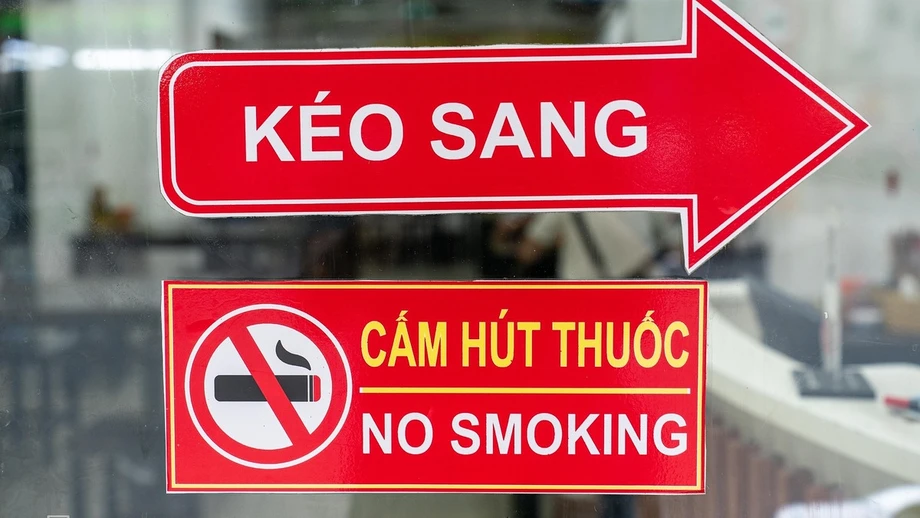
Universities, colleges, and academies throughout Vietnam will enforce total smoking bans across all indoor and outdoor areas starting July 1, 2027. The National Assembly approved these comprehensive restrictions during a morning session on November 21, where 465 out of 481 deputies present voted in favor, as reported in Vietnam Expands Campus Smoking Bans and Tightens Tobacco Controls. Under current regulations, higher education institutions only prohibit smoking inside buildings, leaving courtyards, open walkways, and green spaces open to lighting up. The newly passed legislation removes this exception entirely, aligning universities with preschools and primary schools where grounds have long been smoke-free. From the effective date, the restriction covers classrooms, lecture halls, libraries, administrative offices, cafeterias, hallways, and open-air campus grounds, including zones presenting high risks of fire and explosion.
Contents
- Expanding Smoke-Free Spaces Across Higher Education Campuses
- Targeting E-Cigarettes, Shisha, and New Nicotine Products
- Stricter Verification Rules and Retail Display Bans
- Protecting Citizens Who Challenge Public Smokers
- Timeline of Key Legal Milestones
- What Stays Unresolved and Future Deadlines
- The Bottom Line
Lawmakers also widened the protected buffer zones surrounding educational facilities. Existing rules prohibit tobacco sales within 100 meters of the outer boundary for schools ranging from preschool through high school. The updated statute replaces that specific list with the broader term of educational institutions, extending the 100-meter sales restriction to cover universities and junior colleges as well. Medical facilities receive the same 100-meter protective buffer under the updated framework, ensuring that patients and students encounter fewer retail tobacco outlets near their daily destinations.
Targeting E-Cigarettes, Shisha, and New Nicotine Products
The legislative package implements a total prohibition on the production, trading, buying, selling, storing, transporting, exporting, and importing of e-cigarettes, heated tobacco products, nicotine pouches, shisha, and other prohibited nicotine items. This sweeping ban also covers all related electronic devices, component assemblies, separate parts, and solutions used to manufacture those items. Using any of these prohibited products or possessing items with structures and functions mimicking electronic cigarettes is strictly outlawed. Lawmakers designed these extensive controls to prevent manufacturers from introducing alternative items that might attract younger consumers.
World Health Organization representatives praised the new statutory measures for safeguarding public health. The organization estimates that tobacco causes more than 100,000 deaths in Vietnam annually, including 18,800 fatalities linked to passive exposure. Financial tracking from the Global Health Study indicates that total tobacco-related costs reached 108,000 billion VND in 2022, which equals 1.14 percent of the gross domestic product and exceeds tax revenues from tobacco sales by more than five times.
The head of the World Health Organization office in Vietnam, Dr. Angela Pratt, emphasized the significance of the parliamentary decision during public statements following the vote.
These modifications are great news for the health of the people of Vietnam, particularly children and adolescents, by prohibiting emerging products like nicotine pouches and shisha, reducing the presence of tobacco items in stores, and strengthening smoke-free environments.
Dr. Pratt noted that the legislative actions help the country stay ahead of industry efforts to market new addictive substances. The statutory framework also tasks the government with establishing a phased roadmap to expand health warning labels on product packaging, increasing the visual area dedicated to health warnings.
Stricter Verification Rules and Retail Display Bans
Commercial distribution faces rigorous oversight under the updated statute, requiring retail and wholesale vendors to refuse transactions if buyers fail to prove they are at least 18 years old. Sellers must conduct identity checks or use the national identification application known as VNeID, or check passports whenever they suspect a purchaser is underage. The law explicitly prohibits using individuals under 18 years of age to purchase or sell cigarettes, and outlaws supplying tobacco products to underage buyers. Furthermore, commercial activities on electronic platforms and social media face strict prohibitions, outlawing online tobacco sales and affiliate marketing.
Retail displays will undergo a major transformation starting in 2028. The law moves away from previous allowances that permitted shops to display a limited number of cigarette packs per brand. Starting January 1, 2028, displaying tobacco products, packaging, and brand labels at retail and wholesale establishments, as well as on electronic platforms, will be prohibited unless specifically authorized by the government. Retailers receive a transition period of six months after the main law takes effect on July 1, 2027, during which existing display limits remain temporarily permitted before the total display ban begins.
Protecting Citizens Who Challenge Public Smokers
Parliamentary discussions also addressed the safety of individuals who confront public smoking violations. The newly enacted rules explicitly prohibit threatening, obstructing, retaliating against, insulting, or harming any person who requests, reminds, reports, or denounces smoking violations in prohibited locations. Lawmakers introduced these protective measures to ensure that campus staff, security personnel, and ordinary citizens can enforce smoke-free rules without facing intimidation or physical danger. The legislation guarantees public access to information regarding tobacco harms, including translated materials suited for ethnic minority communities.
Supply chain controls form another pillar of the reform, directing the Ministry of Industry and Commerce to publish public data on permitted production and import volumes for individual manufacturers. Industrial production, importing, and commercial distribution of tobacco and raw materials remain conditional business sectors requiring official licenses. The government aims to gradually reduce domestic consumption volumes through strict supply management and product tracking via barcodes and stamps.
Timeline of Key Legal Milestones
- September 21, 2026: The Standing Committee of the National Assembly reviews draft amendments to tobacco control laws.
- November 21, 2026: The National Assembly passes the revised Law on Prevention and Control of Tobacco Harms with 465 votes in favor.
- March 1, 2027: Provisions regarding the authority of the Minister of Industry and Commerce over specific industrial property rights contracts take effect.
- July 1, 2027: Campus smoking bans take effect across all higher education grounds, alongside the total ban on e-cigarettes and stricter retail age checks.
- January 1, 2028: The total prohibition on displaying tobacco products at retail stores and electronic platforms takes effect, alongside new cigar and fiber standards.
What Stays Unresolved and Future Deadlines
While the legislation resolves many regulatory gaps regarding campus smoking and alternative nicotine devices, certain proposals did not make it into the final text. Lawmakers previously debated implementing a generational ban that would have permanently prohibited tobacco purchases for anyone born on or after January 1, 2010, similar to proposals discussed during parliamentary sessions covered in Vietnam Lawmakers Propose Lifetime Tobacco Ban for People Born From 2010. Health officials noted that evidence was insufficient to include a generational ban in the bill, leaving the legal purchasing age at 18. Proposals from deputies to incrementally raise the purchasing age to 21, as detailed in Vietnam Lawmaker Proposes Tobacco Age of 21 as Parliament Weighs Wider Smoking Curbs, were also left out of the final approved statute. The government did not announce specific dates for future reviews of those age limits, leaving the threshold at 18 years old for traditional tobacco products.
The Bottom Line
- Universities, colleges, and academies must enforce total smoking bans across all indoor and outdoor campus grounds starting July 1, 2027.
- The National Assembly approved the amendments on November 21 with 465 of 481 attending deputies voting in favor.
- E-cigarettes, heated tobacco, nicotine pouches, and shisha face a complete ban on production, storage, transport, and use.
- Retailers must verify that buyers are at least 18 years old using identity checks or digital applications like VNeID.
- Displaying tobacco products and brand labels in shops and online platforms will become illegal starting January 1, 2028.
- Threatening or retaliating against individuals who report public smoking violations is strictly prohibited under the new law.