Understanding the Crisis in Bangladesh Apparel Manufacturing
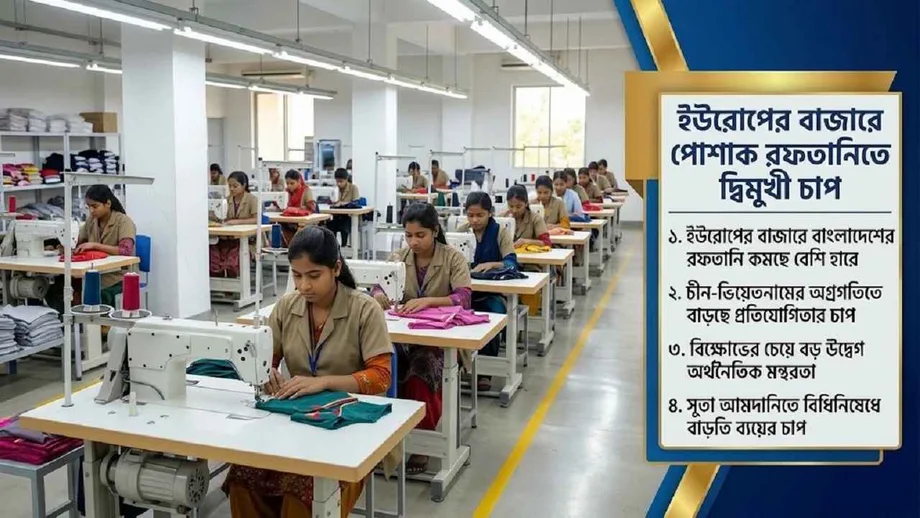
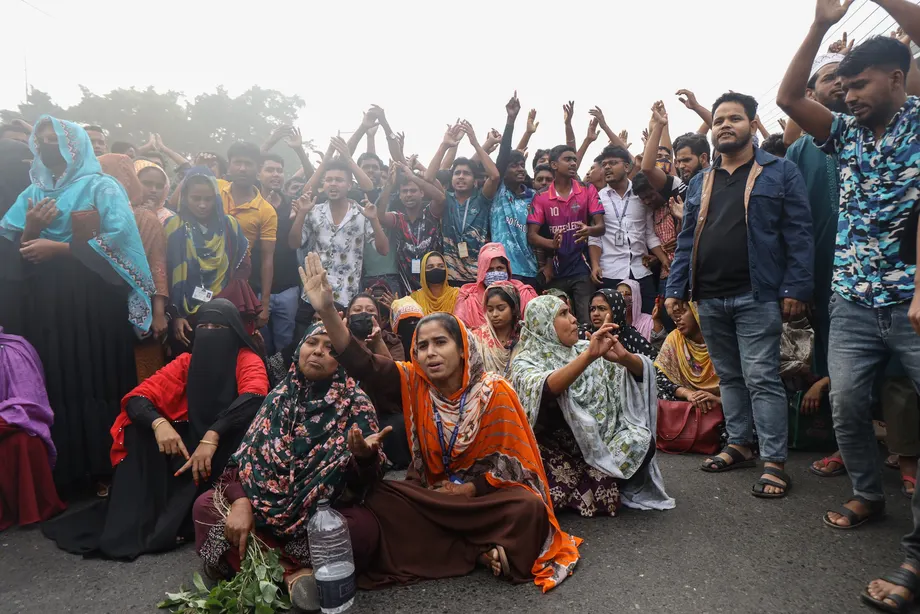
Bangladesh stands as the second-largest apparel exporter in the world, trailing only China, with the ready-made garment sector serving as the backbone of the national export economy. Competing countries in this vital global market include Vietnam, Turkiye, India, and Italy. Recent months brought severe turmoil as garment workers staged massive protests and shutdowns demanding higher wages, compounded by wider political violence across the country.
Contents
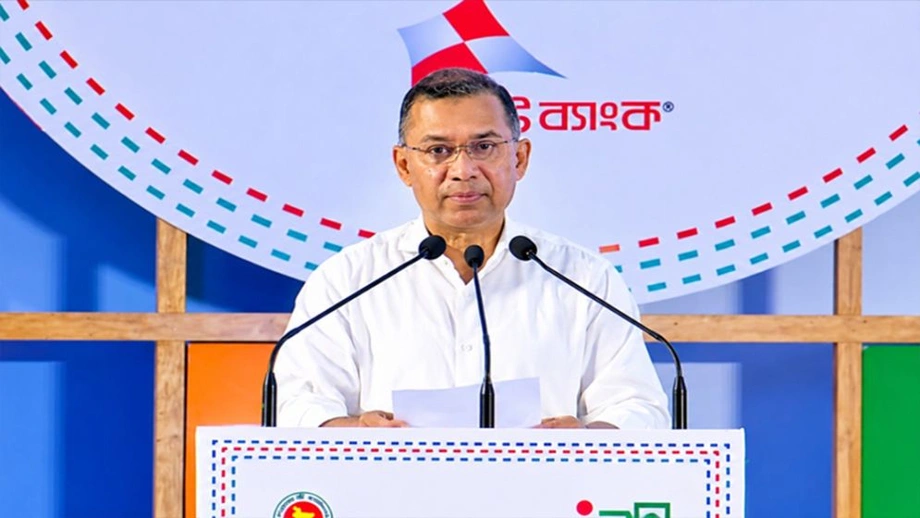
The unrest has disrupted industrial belts and supply chains, leaving factory owners and international buyers scrambling to manage delayed shipments and mounting financial pressures. Prime Minister Tarique Rahman responded to the escalating crisis by proposing dialogue with anti-fascist political parties in an effort to ease political tensions and restore stability.
Survey Reveals Millions in Production Shortfalls
The Bangladesh Garment Manufacturers and Exporters Association (BGMEA) released data on November 22 regarding an emergency four-day survey conducted to assess the economic toll. The survey covered the period from November 1 to November 18 and gathered responses from 317 garment factories that reported operational disruptions. These affected factories incurred production losses amounting to $428 million in free-on-board value, which translates locally to about Tk 5,136 crore. Free-on-board value refers to the cost of goods plus delivery charges up to the shipping port, representing the seller's price before international freight and insurance are added.
Participating factories were forced to halt production for anywhere from one to 16 days during the 18-day window due to volatile street protests and clashes. The Bangladesh Garment Buying House Association provided an even broader estimate on Thursday during a briefing in Uttara, Dhaka, where BGBA President Abdul Hamid noted that total sector losses over a 15-day period reached between Tk 30 billion and Tk 40 billion, driven by daily economic losses of Tk 20 billion to Tk 22 billion affecting transport, banking, and logistics.
International Buyers Shift Orders Abroad
Global apparel brands rely heavily on Bangladesh for mass production, but prolonged instability has shaken buyer confidence. According to the BGMEA survey, international buyers shifted confirmed garment orders for approximately 59 million pieces, valued at $254 million (roughly Tk 3,048 crore), to competing countries abroad. While the trade body did not specify which nations absorbed the displaced orders, the shift highlights the fragile nature of international sourcing partnerships when delivery schedules are interrupted.
BGMEA Senior Vice-President Zakir Hossain emphasized that buyer trust relies entirely on timely shipments. Manufacturers desperate to retain remaining business resorted to expensive logistics solutions, such as paying for costly air shipments instead of standard maritime freight, offering steep price discounts, or facing outright order cancellations.
Factory Closures and Industrial Police Interventions
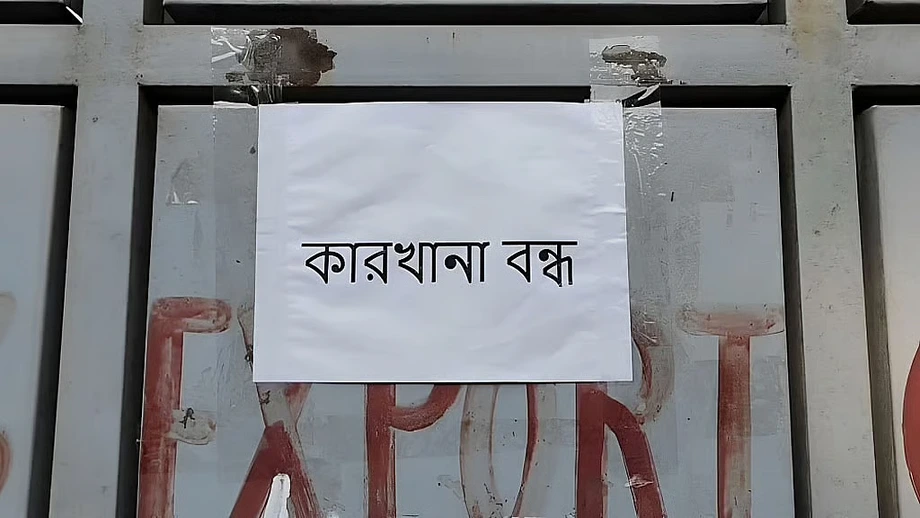
Industrial zones experienced intense confrontations as police forces attempted to manage worker gatherings and highway blockades. In Gazipur, 19 garment factories that had been closed indefinitely under the legal no work, no pay provision reopened, while another 32 remained shut according to Amjad Hossain, superintendent of Gazipur industrial police. Workers from several factories gathered in the Sreepur area, prompting police to disperse them with tear gas shells after protesters blocked lanes of the Dhaka-Mymensingh highway.
Similar disruptions occurred in the Ashulia industrial belt, where Md Mominul Islam Bhuiyan, superintendent of industrial police-2, reported that workers walked the streets despite arriving for shifts, leading to 21 factories remaining closed under the no work, no pay provision and roughly 25 units declaring holidays. Across the entire sector, the BGMEA noted that 42 units stayed closed on Sunday under the same provision alongside an additional 62 units that could not operate.
Negotiations and Minimum Wage Board Developments
Garment workers initiated protests in October demanding a minimum monthly wage of Tk 30,000, a significant increase from existing pay scales. In response to the unrest, the government formed a Minimum Wage Board on November 1. During its first meeting on November 4, the board announced that a new wage structure would take effect in December, initially prompting workers to return to their jobs before fresh demonstrations erupted.
BGMEA President Mahmud Hasan Khan stated that owners' representatives prepared to formally place their wage proposal during the board meeting. Industry insiders indicated that owners intended to propose around Tk 15,000 for entry-level workers in grade four. The BGMEA president and Rashedul Alam Raju, general secretary of the Bangladesh Independent Garment Workers Union Federation, joined the discussions to provide operational data and stakeholder perspectives.
Timeline of Key Events
- Late October: Garment workers begin street protests demanding a minimum monthly wage increase.
- November 1: The government forms a Minimum Wage Board, and the BGMEA survey period begins tracking factory disruptions.
- November 4: The Minimum Wage Board holds its first meeting and announces a new wage structure to start in December.
- November 18: The cut-off date for the preliminary BGMEA survey detailing $428 million in production losses.
- November 22: The BGMEA issues a press release detailing direct production losses and shifted export orders.
- November 23: Industrial police report ongoing closures under the no work, no pay provision while wage board talks continue.
At a Glance
- Affected factories reported $428 million in direct production losses across 317 surveyed units during an 18-day period.
- International buyers shifted $254 million worth of apparel orders to competing foreign countries.
- Worker demands center on a minimum monthly wage of Tk 30,000, while employers approach the wage board for balanced rates.
- Industrial police utilized tear gas and dispersed highway blockades in Gazipur and Sreepur.
- Industry leaders warn that ongoing instability threatens Bangladesh's long-term reputation as a reliable global sourcing destination.