Protecting Energy Sovereignty in Hambantota
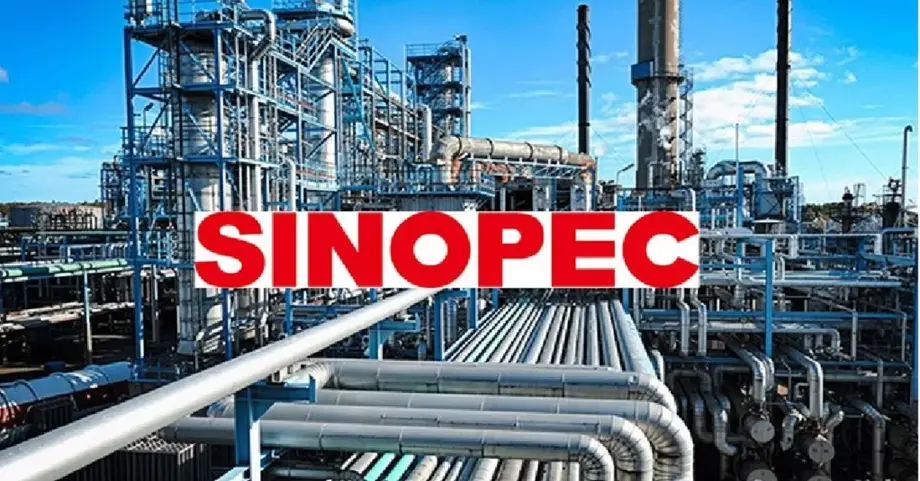
The Government of Sri Lanka decided not to proceed with the proposed $3.7 billion Sinopec oil refinery project in Hambantota under its original conditions. Officials defended the move as essential to protect the country's long-term energy security and sovereignty. A key concern was Sinopec's demand to reserve 40% of the local petroleum market for its own supply. Negotiators warned that such a large domestic share could limit the government in meeting wider energy needs and harm the future of the State-owned Sapugaskanda Oil Refinery.
Contents
- Protecting Energy Sovereignty in Hambantota
- Details Behind the Stalled Negotiations
- Controversial Demands and Environmental Hurdles
- Timeline of Key Developments
- Geopolitical Realities and Domestic Fuel Realities
- Reviving Sapugaskanda and Regional Energy Integration
- Broader Economic Impacts and Strategic Challenges
- The Bottom Line
Prof. Udayanga Hemapala, a member of the Cabinet-Appointed Negotiation Committee (CANC), former Secretary to the Ministry of Energy and Vice Chancellor of the University of Moratuwa, said Sri Lanka should prioritise energy independence when considering major investments in the petroleum sector. He warned that granting one foreign investor a substantial share of the domestic market could create a monopoly and threaten the viability of the State-owned Sapugaskanda refinery. While acknowledging the potential economic benefits of the project, including opportunities for supporting industries and smaller businesses, Prof. Hemapala said the investment conditions were crucial. He said a 20% local market share would have been a more acceptable arrangement, but Sinopec insisted on 40%. He cautioned that the investor could initially lower prices to drive the local refinery out of the market and later increase them once competition had been eliminated.
Sri Lanka should prioritise energy independence when considering major investments in the petroleum sector.
Prof. Hemapala also stressed the need to accelerate the development of the Trincomalee oil tank farm and renovate the Sapugaskanda refinery, arguing that Sri Lanka had the domestic capacity to strengthen its own petroleum production. He said decisions involving strategic energy assets should be assessed in terms of their long-term impact on national security, the local petroleum industry and geopolitical interests, rather than focusing solely on the immediate benefits of foreign investment.
Details Behind the Stalled Negotiations
The high-profile oil refinery project is facing imminent collapse following recommendations by a Cabinet-appointed negotiating committee to terminate the current agreement and invite fresh investment proposals. The committee chaired by B. K. Prabhath Chandrakeerthi, Chief of Staff to the President, took a firm stand on energy sovereignty by rejecting Sinopec's 10 major demands. While the committee recommended termination, a formal, binding cabinet decision on whether to completely scrap the deal or re-open fresh proposals is still pending. The collapse follows similar friction in other major infrastructure initiatives, such as China Merchants Port Holdings pulling out of an agreement to build a $392 million South Asia Commercial and Logistics hub at the Colombo port.
Sinopec requested Strategic Development Project status to secure 15-to-25-year tax holidays. Local officials noted that yielding to this would have conflicted with strict tax and revenue rules under Sri Lanka's $2.9 billion International Monetary Fund bailout framework. Disagreements also persisted over a 99-year lease for 700 acres of land and the potential removal of a 1% state royalty payment. Sinopec's demand to secure up to 40% of the domestic fuel market was viewed by local negotiators as an attempt to turn Sri Lanka's energy consumers into a captive market for a foreign state-owned enterprise.
Controversial Demands and Environmental Hurdles
Sinopec aggressively lobbied for sweeping tax holidays and exemptions covering dividends, interest, technical service fees and royalties, together with proposed personal income tax exemptions for expatriate employees. The committee also disallowed a request for unrestricted dispatch of surplus electricity to the national grid at a tariff of not less than $0.076 per kilowatt-hour. Situated near one of the world's busiest maritime trading routes, Hambantota occupies a strategically significant position in the Indian Ocean. Initially allocated 500 acres in Arabokka, Sinopec demanded an additional 200 acres near the Chinese-managed Hambantota Port, raising red flags among local regulators regarding territorial encroachment and port zoning laws.
Sri Lankan environmental authorities conditioned construction on a rigorous, legally binding environmental impact assessment. Sinopec resisted covering the extensive multi-year costs and compliance measures required to mitigate heavy industrial emissions near southern coastal ecosystems. Given the impasse over domestic sales, land, water supplies and regulatory conditions, Sinopec sent a letter in March or April 2026 expressing its desire to withdraw from the project. Following this, the Sri Lankan Cabinet decided to terminate the agreement.
Timeline of Key Developments
- Late 2017: Initial talks begin with Chinese firms for an oil refinery at Hambantota.
- November 28, 2023: Cabinet approves awarding the refinery project to Sinopec.
- January 2025: An agreement to establish the refinery is signed during President Anura Kumara Dissanayake's visit to China.
- August 2025: Deputy Economic Development Minister Anil Jayantha Fernando estimates daily fuel consumption between 120,000 and 140,000 barrels.
- March or April 2026: Sinopec sends a letter expressing its desire to withdraw from the project.
Geopolitical Realities and Domestic Fuel Realities
Beyond Beijing, the cancellation serves as a clear message to regional powers notably India and the United States, who have closely monitored China's growing strategic footprint in Hambantota. By denying a Chinese state-owned enterprise a near-monopoly over its domestic fuel market, Sri Lanka effectively de-escalates security anxieties voiced by New Delhi regarding foreign control over the island's energy infrastructure. Several experts in foreign affairs noted that this positions the National People's Power administration not as an anti-China regime, but as a strictly neutral actor willing to decline asymmetric deals from any global superpower to safeguard its economic sovereignty.
The government changed its mind on domestic fuel quotas in the aftermath of regional conflicts in West Asia earlier this year. World fuel prices went up, and foreign-based private fuel suppliers reduced fuel imports when the government did not grant them the price increase they demanded. Private fuel companies also cut the fuel supply for around 2,500 private businesses that maintain their own fuel storage facilities. In March 2026, the Ceylon Petroleum Corporation had to step in to meet their needs, placing additional pressure on its reserves. Deputy Economic Development Minister Anil Jayantha Fernando estimated in August 2025 that Sri Lanka's daily fuel consumption is between 120,000 and 140,000 barrels, meaning a 40% domestic share would have vastly increased the country's exposure to volatile market forces.
Reviving Sapugaskanda and Regional Energy Integration
The strategic ripple effect of this cancellation is the immediate revival of the state-owned Sapugaskanda oil refinery, rejecting the request of the Chinese company for equivalent treatment. The Government initiated an international investor-selection process for a public-private partnership to modernise Sapugaskanda. Expressions of Interest have been evaluated and prospective investors shortlisted. The Sapugaskanda refinery currently meets only around 25% to 30% of Sri Lanka's petroleum requirements, leaving the country heavily dependent on imported refined fuel. The government intends to increase its processing capacity from approximately 50,000 barrels to 100,000 barrels daily through this partnership.
India, Sri Lanka and the United Arab Emirates signed a trilateral agreement in April 2025 to develop Trincomalee as a regional energy hub. The proposed cooperation includes petroleum storage, tank farm development, bunkering facilities and wider energy infrastructure. The historic China Bay oil tank farm provides an important foundation, with Lanka IOC operating 14 tanks in the Lower Tank Farm, while 61 tanks in the Upper Tank Farm are covered by a joint venture arrangement involving the Ceylon Petroleum Corporation and Lanka IOC. A proposed multi-product petroleum pipeline connecting Nagapattinam in southern India with Trincomalee and Colombo could further strengthen regional energy connectivity if its technical and commercial feasibility is established.
Broader Economic Impacts and Strategic Challenges
The termination of the oil refinery and Colombo Port logistics center represents a setback for Chinese investments in Sri Lanka, as Chinese companies would exercise greater caution henceforth with regard to committing further capital. These developments also leave Sri Lanka with fewer immediate options for financing its industrial ambitions. The oil refinery agreement had raised expectations of Chinese investments into related industries that could be established near the facility. Another important loss is the opportunity to build complementary businesses around China's existing port investments, such as the Hambantota Port taken over in 2017 through a $1.12 billion investment agreement to operate and develop the port under a 99-year concession.
The biggest question before Sri Lanka now is how readily investments at the logistics hub project and the Hambantota oil refinery can be replaced. According to forecasts by the International Energy Agency, net refining-capacity additions will reach about 770,000 barrels in 2027, with almost all coming from expanding or improving existing plants. The government must soon explain how it plans to address these investment gaps while keeping its commitment to fiscal discipline and energy independence intact.
The Bottom Line
- Sri Lanka terminated negotiations for the $3.7 billion Sinopec oil refinery in Hambantota after rejecting demands for a 40% domestic market share, tax holidays, extra land and water supplies.
- The Cabinet-Appointed Negotiating Committee chaired by B. K. Prabhath Chandrakeerthi recommended the termination to protect national energy sovereignty.
- The decision clears the way to accelerate the public-private partnership to modernise and expand the state-owned Sapugaskanda Oil Refinery.
- Regional energy cooperation involves Trincomalee development initiatives alongside India and the United Arab Emirates.
- The government aims to strengthen the Ceylon Petroleum Corporation to prevent excessive exposure to external market shocks.