Automotive Giants Commit to Thailand
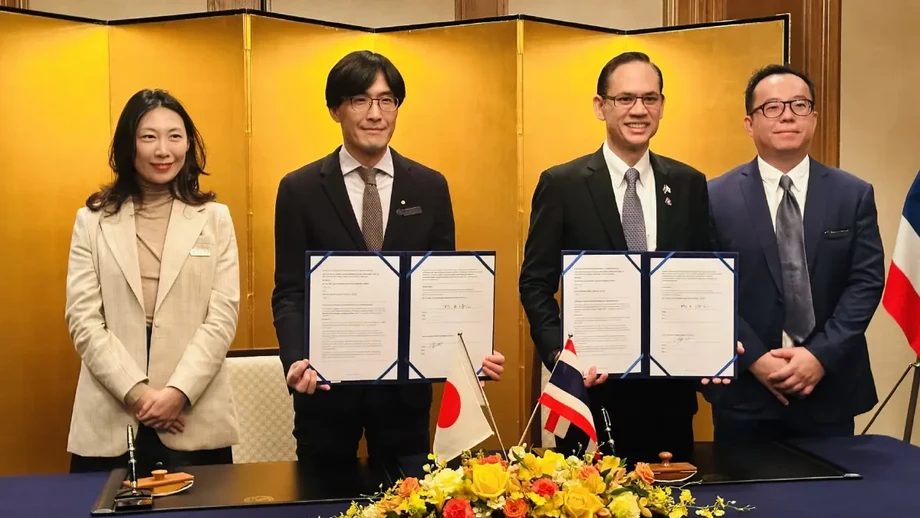
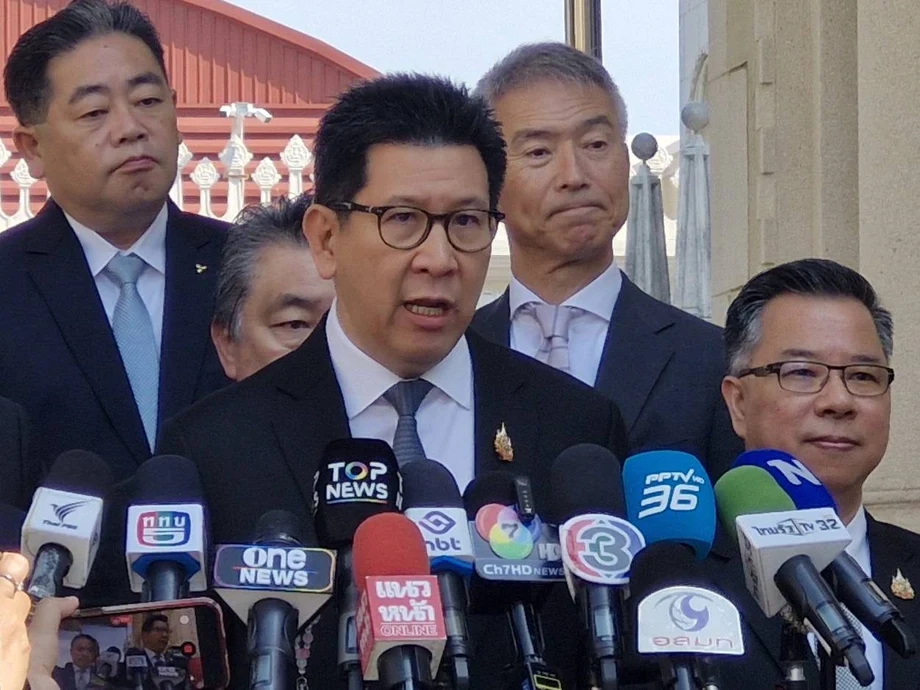
Top executives from major Japanese and Chinese automotive companies met with Thai government leaders to confirm their long-term commitment to the country. Prime Minister Anutin Charnvirakul and Finance Minister Ekniti Nitithanprapas hosted meetings in Bangkok and Tokyo to discuss the future of the nation's automotive sector. Representatives from leading manufacturers including Toyota, Isuzu, Mitsubishi, BYD, MG, and Great Wall Motor assured officials they will maintain and expand their production and employment bases in Thailand.
Contents
The discussions highlighted Thailand status as a major global automotive hub. Government data shows the country currently ranks as the eleventh largest vehicle producer in the world, the fifth largest in Asia, and the leader within the Association of Southeast Asian Nations region. This manufacturing ecosystem supports approximately 750,000 skilled workers across the country.
New Excise Tax Structure and Import Rules
The Thai government introduced a revised excise tax structure designed to foster fair competition between traditional manufacturers and newcomers, as outlined in the กฎกระทรวง กำหนดพิกัดอัตราภาษีสรรพสามิต (ฉบับที่ 23) พ.ศ. 2565 and the พระราชบัญญัติภาษีสรรพสามิต พ.ศ. 2560. Starting January 1, 2027, fully imported battery electric vehicles and extended range electric vehicles from companies without domestic manufacturing facilities will face a 35 percent tax rate. This adjustment addresses concerns from traditional makers about heavy market pressure from imported vehicles.
For vehicles produced domestically or imported by companies with local production sites, tax rates will link directly to local investment levels, employment figures, and the integration of locally sourced components. Government officials explained that these rules aim to encourage manufacturers to build deeper supply chains within the country rather than relying solely on final assembly.
Multi-Pathway Transition for Vehicle Technologies
Thailand is pursuing a strategy known as a multi-pathway transition to accommodate various powertrain technologies. Instead of focusing exclusively on battery electric vehicles, the government supports internal combustion engines, hybrid electric vehicles, plug-in hybrid electric vehicles, and fuel cell electric vehicles. Officials noted that this balanced approach provides flexibility for manufacturers and preserves consumer choice during the global shift toward cleaner transport.
Japanese automakers presented substantial investment plans during these discussions. Six major Japanese brands announced a combined investment of 134,000 million baht over a five-year period from 2026 through 2030, which was accompanied by an official press release from the Excise Department regarding the estimated subsidy. These funds will target advanced manufacturing processes, automation, and the development of next-generation vehicles including hybrid systems and hydrogen fuel cell models.
Boosting Local Supply Chains and Biofuels
Securing a robust local supply chain remains a primary objective for Thai economic planners. Representatives from the Federation of Thai Industries emphasized the necessity of supporting small and medium enterprises in the tier two and tier three parts manufacturing sectors. These suppliers require clear policy incentives to produce high-technology components, such as electronic parts and advanced driver assistance systems, locally.
Government leaders also urged automakers to support domestic biofuels, specifically E20 gasohol and B20 biodiesel. Officials pointed out that these fuels offer a safe, clean energy alternative that utilizes locally grown agricultural products like sugarcane, cassava, and oil palm. Increased biofuel utilization helps secure national energy independence by reducing reliance on imported crude oil while supporting Thai farmers.
Expanding Electric Vehicle Charging Infrastructure
To address the growing adoption of electric vehicles, government officials committed to expanding the national charging station network. Following requests from automotive representatives, the Ministry of Finance plans to coordinate with the Ministry of Transport and the Ministry of Energy to accelerate the construction of charging facilities. These stations will be developed across Bangkok and regional provinces to ensure convenient access for everyday drivers.
Executives from BYD specifically highlighted plans to increase the use of local content in their manufacturing operations. Company representatives confirmed that if required components are not currently available domestically, they will work to bring those supply chain elements directly into Thailand. This strategy lowers production costs and enhances export competitiveness across regional markets.
Timeline of Key Automotive Developments
- November 17, 2026: The Federation of Thai Industries outlines industry expectations regarding the forthcoming excise tax adjustments.
- November 20, 2026: Finance Minister Ekniti Nitithanprapas and industry leaders meet in Tokyo, where six Japanese automakers announce a 134,000 million baht investment plan.
- November 23, 2026: Prime Minister Anutin Charnvirakul hosts automotive executives in Bangkok to reaffirm support for multi-pathway vehicle technologies and biofuel usage.
- January 1, 2027: A 35 percent excise tax takes effect for imported battery electric vehicles and extended range electric vehicles from brands lacking local production bases.
The Bottom Line
- Six major Japanese automakers committed 134,000 million baht in investments from 2026 to 2030 to upgrade production lines in Thailand.
- The government implemented a multi-pathway transition policy supporting internal combustion engines, hybrids, and electric vehicles.
- A 35 percent tax rate on imported electric vehicles from brands without local factories begins on January 1, 2027.
- Officials agreed to collaborate with energy and transport agencies to expand electric vehicle charging infrastructure nationwide.