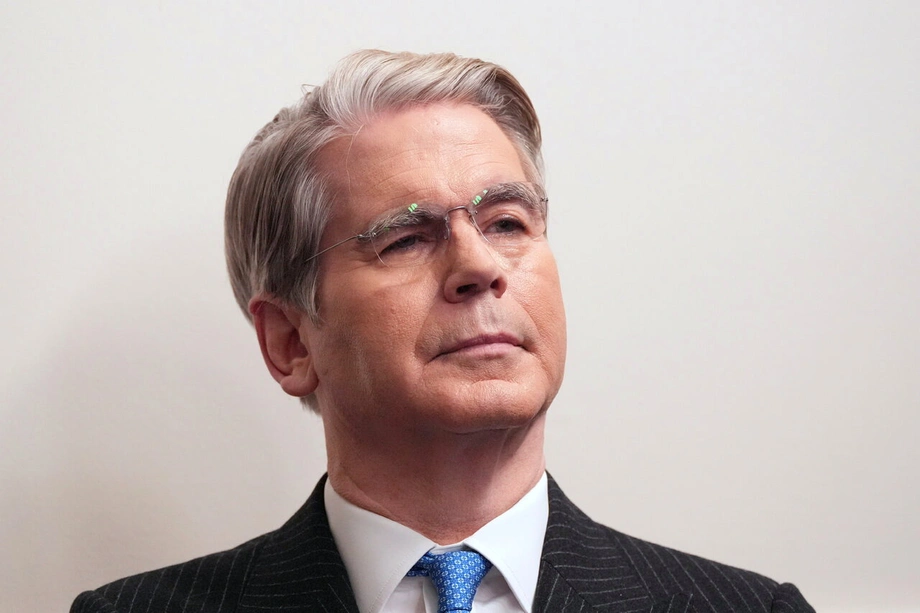
Treasury Secretary Scott Bessent Addresses Nvidia Leadership and Compliance Questions
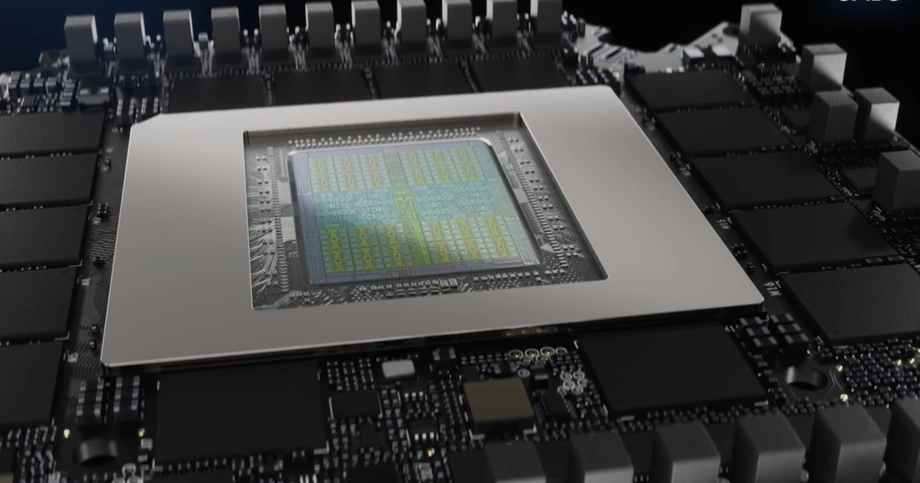
U.S. Treasury Secretary Scott Bessent stated during a CBS News interview aired on November 22, 2026, that the Trump administration still awaited definitive answers from Nvidia regarding advanced artificial intelligence chip sales to China. Artificial intelligence chips are specialized computer processors designed to handle massive computational workloads, enabling software systems to learn from vast data collections and execute complex operations. Bessent declined to endorse Jensen Huang's return as chief executive officer before responsibility for any export-control failures is established. Asked about President Donald Trump's stated position that Huang should get his job back, Bessent said officials first needed to see where responsibility lies. Investigators must determine whether awareness of potential non-compliance was limited to junior employees, reached middle management, or extended into senior leadership. His preference remains for Nvidia to seek outside leadership, with Huang now outside the company following his November 12, 2026 resignation.
Contents
- Treasury Secretary Scott Bessent Addresses Nvidia Leadership and Compliance Questions
- Compliance Controls, Megaspeed, and Transaction Records
- Export Licenses and Remote Access Regulations
- Timeline of Key Developments
- Leadership Debate and Institutional Investor Sentiment
- Supply Chain Vulnerabilities and Manufacturing Context
- At a Glance
The interview came seven days after Bessent gave Nvidia 10 days to respond to compliance inquiries. Officials have contacted the company's interim managers, lead directors, and legal advisers, and the answers are expected to go to the administration as a whole rather than the Treasury alone. Bessent expressed confidence that Nvidia's committees would produce robust answers.
Compliance Controls, Megaspeed, and Transaction Records
Parallel scrutiny from multiple congressional committees and federal prosecutors has focused on Nvidia's role in sending advanced processors to China. Bessent framed the requested explanation as an inquiry into Nvidia's compliance culture while emphasizing that wrongdoing has not been established. Officials want to establish whether failures occurred, where they occurred, and who controlled compliance, normally the legal department or general counsel's office. The possibility that illicit sales were used to increase revenue remains under examination, and Nvidia's board is investigating whether such a culture existed.
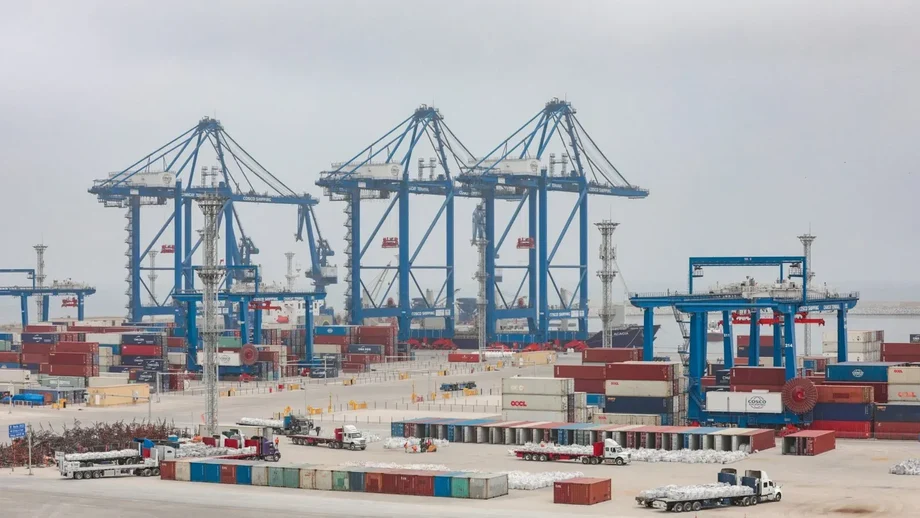
Bessent said large transactions would leave evidence even when commercial arrangements involved handshake agreements rather than detailed contracts. Shipping records and financial transfers should allow investigators to reconstruct what happened. That evidence is central to determining both whether particular sales complied with export restrictions and whether Nvidia's controls allowed a broader problem to develop. Bessent said investigators still need to establish whether Singapore-based Megaspeed acted as a pass-through or front company for moving high-end chips to Chinese entities, adding that Nvidia removed the company from its sales list in August 2025 and would not have supplied chips to it afterward. Treasury and several other departments have pushed to blacklist Megaspeed, though Commerce Secretary Howard Lutnick holds authority over trade blacklist decisions.
Export Licenses and Remote Access Regulations
Bessent portrayed a remote-access rule as potentially more important than a trade blacklist because it restricts certain countries and entities from accessing chips through leased capacity rather than direct shipments. The rule addresses a separate compliance channel, namely the remote use of computing capacity. This exchange followed the House Foreign Affairs Committee's November 19, 2026, disclosure of Bureau of Industry and Security license records. The committee said applications covered 3,444,160 Nvidia H200 and AMD MI325X chips, with 879,868 chips approved across 21 applications as of May 11, 2026. Approved recipients included Alibaba and Tencent, both designated as Chinese Military Companies by the Department of War, with the disclosed table marking the listed approved entries as not shipped.
Asked whether sales to companies with Chinese military ties were advisable, Bessent distinguished China's armed forces from companies that do business with the military and pointed to the H200 threshold, indicating that further differentiation might not be necessary once that threshold is set. Interim Chief Executive Officer Colette Kress confirmed that the company removed China data center compute revenue from its fourth-quarter financial outlook. During the quarter ended October 25, Nvidia recorded $2.4 billion in sales for those licensed products, representing about two percent of its total quarterly revenue of $115.8 billion.
Timeline of Key Developments
- August 2025: Nvidia removed Megaspeed from its sales list and Commerce Department investigators inspected Megaspeed in Singapore.
- November 11, 2026: Jensen Huang resigned as president, chief executive, and board member following controversies surrounding his personal relationships.
- November 17, 2026: Nvidia reported third-quarter earnings, during which board chairman Harvey C. Jones announced that directors unanimously accepted Huang's resignation and did not intend to reinstate him as chief executive.
- November 19, 2026: The House Foreign Affairs Committee disclosed Bureau of Industry and Security license records covering advanced chip applications.
- November 20, 2026: President Donald Trump publicly called on Nvidia to bring back Jensen Huang during a White House press conference.
- November 22, 2026: Treasury Secretary Scott Bessent appeared on CBS News to discuss Nvidia's compliance responsibilities and leadership transition.
Leadership Debate and Institutional Investor Sentiment
Nvidia's board appointed Chief Financial Officer Colette Kress as interim chief executive while it searches for a permanent successor. Kress has served as chief financial officer for 13 years, bringing a quarter century of technology financial experience. Directors have retained the executive search firm Heidrick and Struggles to evaluate both internal and external candidates, and have also hired the law firm Wachtell, Lipton, Rosen & Katz alongside former federal prosecutor Joon H. Kim to investigate conduct. While high-profile supporters such as Elon Musk and venture investors Brad Gerstner and Gavin Baker have petitioned for Huang's reinstatement, institutional investors remain cautious. Independent technology researcher Richard Windsor noted that large institutional investors likely oppose Huang's return while investigations remain unresolved because of the legal exposure and uncertainty it could create.
Huang himself issued a public statement on November 17, 2026, acknowledging personal mistakes and stating he would be honored to return if the board decided it served shareholders, employees, the company, and the United States. However, board leaders have maintained their stance that directors are not considering his reinstatement, creating a distinct division between external political support and internal corporate governance decisions. Meanwhile, congressional committees have scheduled closed-door interviews for December, including appearances by Huang and general counsel Tim Teter, to examine adherence to export controls and company interactions with regulatory agencies.
Supply Chain Vulnerabilities and Manufacturing Context
The corporate leadership crisis intersects with broader semiconductor supply chain pressures. Nvidia relies extensively on Taiwan Semiconductor Manufacturing Company to produce its most advanced processors. The geographical concentration of advanced semiconductor manufacturing in Taiwan has long been recognized by economic strategists as a strategic vulnerability. Analysts note that memory chip manufacturers are expected to meet only about 60 percent of global demand, with industry executives warning of severe memory shortages extending into future operating periods. These supply constraints compound the operational challenges facing interim leadership as the company navigates regulatory scrutiny, congressional inquiries, and the ongoing search for a permanent chief executive.
At a Glance
- U.S. Treasury Secretary Scott Bessent stated on November 22, 2026, that the administration requires answers from Nvidia regarding compliance and export controls.
- Jensen Huang resigned on November 12, 2026, following a 33-year tenure leading the artificial intelligence chip maker.
- Colette Kress serves as interim chief executive while the company conducts an executive search and independent review.
- Congressional committees are investigating export license records and corporate interactions with regulatory agencies.
- President Donald Trump expressed openness to Huang's return, while Bessent advocated for an outside leader to execute a dramatic corporate shake-up.