Behind the Scenes of the New Trade Framework
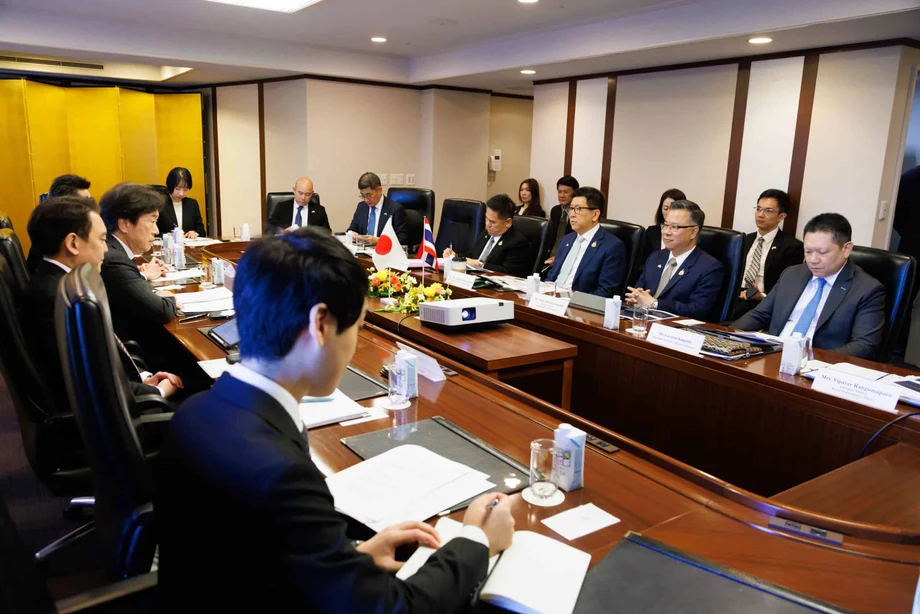
Thailand and the United States reached a crucial turning point in their bilateral economic relations following the signing of a joint statement in Manila, Philippines. On November 17, 2026, political leaders gathered to formalize an understanding regarding the Agreement on Reciprocal Trade. Government officials in Bangkok moved swiftly to explain the implications of this milestone, emphasizing that the diplomatic document represents an agreed framework rather than an immediate overhaul of national trade laws. Deputy Prime Minister and Minister of Commerce Supajee Suthamphan outlined the motivations driving the administration during a press briefing held on November 20, 2026, at the Royal Thai Air Force Airport Wing 6 in Don Mueang. She stressed that the primary objective centers on safeguarding the nation's top export destination and maintaining competitive pricing for local manufacturers.
Contents
- Behind the Scenes of the New Trade Framework
- Navigating Section 301 Tariff Reductions and Competitive Pressures
- Protecting the Nation's Top Export Market and Employment
- Clarifying Agricultural Market Openings and Sensitive Safeguards
- Dispelling Misconceptions Over Market Openings and Consumer Choice
- Chronology of Recent Trade Developments and Negotiations
- Next Legal Steps and the Legislative Road Ahead
- The Bottom Line
The journey toward this diplomatic milestone involved extensive preparatory work spanning several months. Trade negotiators from both nations previously established a foundational framework in July 2025 under the International Emergency Economic Powers Act, which temporarily reduced retaliatory tariffs from 36 percent down to 19 percent. Building upon those earlier discussions, the recent diplomatic summit in Manila allowed leaders to lock in core principles that will guide future commerce. However, senior trade officials have clarified that no tariff adjustments take effect immediately. The administrative machinery of government requires a meticulous drafting phase before any changes become legally binding.
Mr. Poonpong Naiyanapakorn, Permanent Secretary of the Ministry of Commerce, addressed public concerns on November 20, 2026, by confirming that current import duties remain entirely unchanged. He explained that the joint statement serves as a mutual expression of intent rather than a finalized treaty. Ms. Chotima Iemsawassdikul, Director-General of the Department of Trade Negotiations, echoed those remarks by detailing the strict legal hurdles that must be cleared before implementation. According to official guidelines, the text of the agreement must undergo rigorous legal scrubbing before receiving formal review by the Cabinet. Following that executive review, the government plans to launch public consultation sessions to gather feedback from affected stakeholders before submitting the final document to Parliament for legislative approval.
Navigating Section 301 Tariff Reductions and Competitive Pressures
A central priority for Thai negotiators involves narrowing the gap between local tariff burdens and those applied to regional competitors. The United States previously imposed Section 301 tariffs related to forced labor concerns, setting the rate for Thai products at 12.5 percent. Meanwhile, neighboring countries such as Malaysia, Indonesia, and Cambodia secured a reduced rate of 10 percent after concluding their own trade accords. Thai trade representatives view this 2.5 percentage point discrepancy as a significant cost disadvantage that threatens to erode profit margins for exporters operating within the kingdom.
During bilateral meetings held on November 18, 2026, in Shenzhen, People's Republic of China, Deputy Prime Minister Supajee raised this pressing issue directly with Mr. Rick Switzer, US Deputy Trade Representative, during the 33rd APEC Economic Leaders' Meeting. Thai authorities urged the United States to apply the 10 percent rate to Thailand immediately, arguing that reaching a substantive agreement at the leadership level justifies treating the country on par with nations that already finalized their pacts. Beyond the existing labor-related penalties, officials are monitoring a forthcoming US investigation concerning structural excess capacity. Securing a favorable tax rate under that upcoming measure remains vital to prevent trade diversion toward regional rivals.
The urgency behind these negotiations becomes clear when examining macroeconomic trade data. In 2025, total bilateral trade between Thailand and the United States reached 93,409 million US dollars, consisting of 72,519 million dollars in exports and 20,890 million dollars in imports. That performance generated a substantial trade surplus of 51,629 million dollars, placing Thailand seventh globally among nations running a surplus with Washington. Trade figures accelerated further during the first nine months of 2026, recording total commerce of 97,382 million dollars with exports climbing to 74,934 million dollars and imports totaling 22,448 million dollars. This pushed Thailand's trade surplus to 52,486 million dollars, elevating the country to fifth place globally and increasing the pressure from American counterparts to address trade imbalances.
Protecting the Nation's Top Export Market and Employment
Economic planners view the preservation of the American market as an existential necessity for domestic industries. The United States currently stands as Thailand's primary export destination, absorbing approximately 25 percent of total national outbound shipments. Official customs records from 2025 value total exports to the American market at approximately 2.37 trillion baht, a volume that underpins the operational stability of thousands of large corporations and small and medium-sized enterprises alike. Maintaining unhindered access to this high-spending consumer base is considered essential for sustaining business confidence and securing incoming foreign direct investment.
The human cost of losing competitive parity would extend far beyond corporate balance sheets. Ministry of Commerce assessments indicate that export activities directed toward the United States directly and indirectly support at least 1.25 million jobs across the domestic supply chain. When factoring in broader agricultural processing and manufacturing networks, officials estimate that over two million workers rely on the continuity of these trade channels. If Thai goods faced persistently higher tariffs than those produced by regional competitors, international buyers would likely shift their purchase orders elsewhere, triggering factory slowdowns and widespread layoffs.
Industrial leaders have voiced strong backing for the government's diplomatic efforts to secure a level playing field. Representatives from the Federation of Thai Industries noted that maintaining predictable and favorable tariff structures is vital for long-term industrial planning. Business associations have encouraged trade negotiators to prioritize terms that protect established supply chains while simultaneously opening doors for advanced technological cooperation, clean energy investments, and high-value manufacturing partnerships.
Clarifying Agricultural Market Openings and Sensitive Safeguards
Public discourse surrounding the trade framework has sparked intense debate regarding agricultural market access and potential domestic disruptions. Critics have raised concerns over a commitment mentioned by American officials regarding a 99 percent market opening and an estimated 2,600 million US dollar framework for purchasing US agricultural goods, energy, and aircraft. Government leaders have pushed back against interpretations that portray these figures as mandatory purchasing quotas dictated by foreign interests. Officials emphasize that the targeted acquisition volumes reflect pre-existing commercial demand from private sector operators rather than government mandates.
Deputy Prime Minister Supajee explained that many agricultural items slated for increased import channels represent commodities that domestic producers already fail to produce in sufficient quantities. Soybean meal and feed corn serve as prime examples of this structural deficit. Thailand requires approximately 9 million tons of corn annually for its livestock and animal feed industries, yet local farmers harvest only about 5 million tons each year. Bridging that 4 million ton shortfall requires foreign procurement. Directing a portion of those routine purchases toward American suppliers helps rebalance bilateral trade statistics without harming domestic cultivators.
Strict protections remain in place to safeguard sensitive domestic sectors from unfair competition and health risks. Government representatives reiterated three non-negotiable red lines during the negotiations, chief among them being food safety regulations. Permanent Secretary Poonpong and Ministry of Commerce leadership firmly ruled out any concessions regarding pork imports, issuing an absolute ban on foreign meat products treated with beta-agonists. Furthermore, agricultural authorities maintain that any adjustments to corn import schedules will be closely monitored by the national corn policy committee to ensure local harvest prices remain stable and farmers are not left facing unfair financial hardship.
Dispelling Misconceptions Over Market Openings and Consumer Choice
The concept of opening 99 percent of the domestic market to American goods has generated widespread anxiety among local business owners who fear being flooded with foreign alternatives. Trade officials have worked to clarify that opening a market to international competition does not translate to mandatory purchasing by domestic consumers. Thailand has maintained comprehensive free trade agreements with 24 different economies over the past two decades, with several pacts involving 100 percent market access for extended periods without destabilizing local commerce.
Under the proposed framework, American products will gain the legal right to compete in the Thai market under the same rules that govern goods from other trading partners. Consumers retain the ultimate purchasing power to choose products based on price, quality, and personal preference. If a consumer prefers automobiles or appliances manufactured in Japan, Europe, South Korea, or China, market access rules do not compel a switch to American alternatives. The same principle applies to industrial inputs and raw materials, where private businesses retain the autonomy to select suppliers that best meet their operational requirements.
Government spokespersons noted that public reactions to international trade announcements often suffer from incomplete information and premature conclusions. Officials expressed disappointment that constructive diplomatic efforts aimed at protecting national economic interests have occasionally been mischaracterized as capitulation. The administration maintains that constructive engagement remains vastly superior to isolationism, pointing out that walking away from the negotiating table would have immediately reinstated punitive tariff rates that could cripple domestic exporters.
Chronology of Recent Trade Developments and Negotiations
Understanding the rapid sequence of events requires reviewing the specific dates and milestones that shaped the trade agreement:
- July 2025: Initial trade frameworks are negotiated under the International Emergency Economic Powers Act, leading to a reduction of retaliatory tariff threats.
- October 2025: The Thai government formally announces baseline trade understandings, establishing a trajectory for bilateral commerce and securing an interim tariff rate of 19 percent.
- November 10, 2026: The Thai Cabinet officially reviews and approves the draft text of the joint statement ahead of international summits.
- November 17, 2026: Prime Minister Anutin Charnvirakul and US President Donald Trump meet in Manila, Philippines, to sign the Joint Statement on the Agreement on Reciprocal Trade.
- November 18, 2026: Deputy Prime Minister Supajee Suthamphan meets with US Deputy Trade Representative Rick Switzer in Shenzhen, China, to push for immediate Section 301 tariff reductions.
- November 20, 2026: Ministry of Commerce leadership holds a comprehensive press conference at Don Mueang to clarify legal procedures, dispel rumors regarding pork imports, and reaffirm export protections.
Next Legal Steps and the Legislative Road Ahead
The formal signing of the joint statement marks a significant beginning rather than a concluding endpoint for the trade accord. Legal drafting teams from both countries must now spend approximately two months conducting a thorough legal scrub of the agreement text. This meticulous review ensures that every clause aligns with international trade standards and domestic legal requirements before final translation into formal treaty language.
Once the legal scrubbing concludes, the complete agreement will be formally submitted to the Thai Cabinet for review and authorization. Following executive approval, the Ministry of Commerce intends to launch an extensive public consultation process to engage civil society, industry associations, and academic experts. This transparent outreach aims to address lingering concerns and incorporate constructive recommendations from affected sectors.
The final legal hurdle requires submitting the treaty to Parliament for legislative debate and approval, alongside any necessary statutory amendments to domestic laws. Only after all domestic legislative procedures are fully completed and formal notifications are exchanged between Bangkok and Washington will the trade agreement achieve legal force. Until that milestone is reached, all current tariff schedules remain in full effect, ensuring that domestic industries have adequate time to adjust their operational strategies.
The Bottom Line
The ongoing trade negotiations between Thailand and the United States represent a calculated strategy to protect the nation's economic foundation against mounting external pressures.
- The joint statement signed in Manila establishes a framework for future cooperation but does not immediately alter existing tariff rates or import rules.
- Government officials are aggressively pursuing a reduction in Section 301 labor-related tariffs from 12.5 percent down to 10 percent to match regional competitors.
- Protecting the United States as Thailand's primary export market is vital for safeguarding 2.37 trillion baht in outbound shipments and 1.25 million domestic jobs.
- Strict regulatory boundaries ensure that prohibited items, including meat products treated with beta-agonists, remain banned from the domestic food supply.
- The finalized trade pact must navigate upcoming legal scrubbing, Cabinet review, public hearings, and parliamentary approval before entering into force.