Illuminating Century Old Architecture
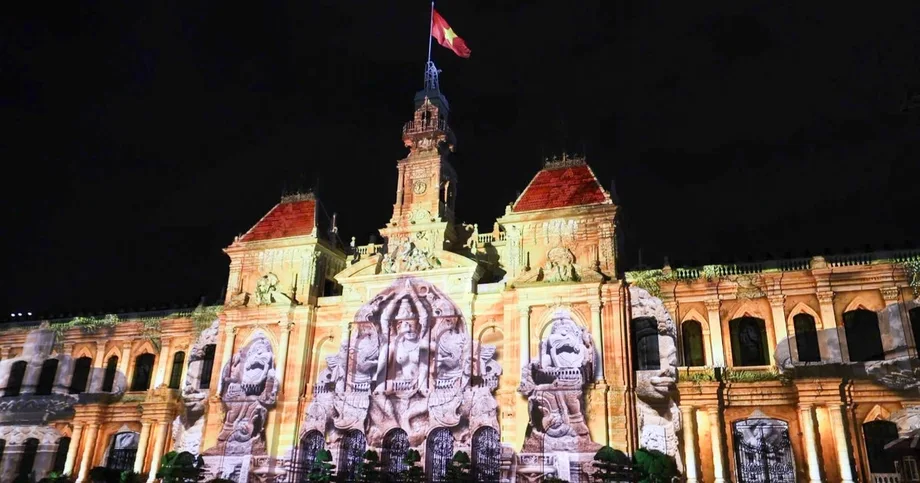
Ho Chi Minh City transformed its historic downtown into an open air theater on November 22, 2026, using advanced 3D projection technology to celebrate the inaugural nationwide observance of Vietnam Culture Day. The neoclassical facade of the Ho Chi Minh City People Committee headquarters at 86 Le Thanh Ton Street in Sai Gon Ward turned into a massive digital canvas displaying vibrant images of national history and heritage. Thousands of residents and visitors gathered along the pedestrian corridor to watch the dynamic light shows, which combined architectural mapping with synchronized sound and laser effects.
Contents
Technical preparations for the displays began earlier in the week, running installation work from November 18 to 20, followed by a preliminary rehearsal on November 20 and a full dress rehearsal on November 21. The municipal Department of Culture and Sports oversaw the planning under official guidelines set out in Plan Number 556 issued by city leaders on October 10, 2026. While the department managed content and operations, private sector sponsorships funded the specialized projectors and laser hardware required for the projections.
Following the opening night at city hall, the light show expanded to a second landmark at the Rex Hotel located at 141 Nguyen Hue Street. City police deployed personnel to manage crowd safety and enforce traffic restrictions around both venues from 5:00 pm to 9:30 pm daily through November 24, blocking vehicles to give pedestrians clear access to the nightly visual exhibitions.
A Week of National Unity and Cultural Heritage
The light displays formed part of a broader seven day observance running from November 18 to 24, 2026, combining the new cultural holiday with the 96th anniversary of the founding of the Vietnam Fatherland Front, Vietnam Cultural Heritage Day on November 23, and the Culture and Great National Unity Week. City officials timed the celebrations to mark 80 years since the first National Cultural Conference held in 1946, where revolutionary leaders established foundational principles for the nation's arts and education.
The main gathering space centered on Nguyen Hue Walking Street, where conical hat shaped exhibition pavilions opened daily from 8:00 am to 10:00 pm. These structures introduced visitors to various sectors of the local creative economy, including cinema, performing arts, software development, video games, handicrafts, advertising, and digital transformation. Artisans hosted workshops where the public could try traditional crafts, while outdoor stages hosted performances of classical opera known as hat boi, reformed opera known as cai luong, and don ca tai tu folk music.
Speaking at the opening ceremony on November 22, municipal leaders emphasized that cultural growth serves as a primary driver for regional economic expansion. Trần Thế Thuận, Director of the Department of Culture and Sports, explained that the city aims to build its creative industries into a major economic pillar that contributes significantly to the gross regional domestic product.
These distinctive activities during the Culture and Great National Unity Week represent the vibrant image of Ho Chi Minh City today: modern yet rooted in tradition, creative yet cohesive, developing dynamically while remaining deeply compassionate.
That sentiment was echoed by Nguyen Manh Cuong, Vice Chairman of the municipal People Committee, who opened the festival by citing historic guidance from early national leaders regarding the role of arts in society. Local residents also expressed enthusiasm for the public art installations, noting how the displays brought historical themes into everyday urban spaces.
Outdoor Exhibitions and Photography Showcases
Educational and artistic displays extended across several parks and boulevards throughout the downtown district. Chi Lăng Park hosted a photographic exhibition featuring one hundred propaganda posters and images illustrating achievements in local cultural industries. Nearby on Dong Khởi Street, a parallel display presented fifty five panels focusing on ethnic diversity, religious solidarity, and intangible heritage preservation.
Military history also featured prominently in the public exhibitions. Lam Sơn Park displayed one hundred historical photographs documenting the Southern Uprising of November 23, 1940, an armed rebellion that served as a crucial preparatory step for the August Revolution of 1945. Additional outdoor galleries opened near the Ho Chi Minh City Fine Arts Museum and along Nguyen Van Binh Book Street, where readers explored literary displays and heritage archives.
Photography enthusiasts gathered at Le Văn Tám Park for the international photography festival, which ran from November 19 to 24. The venue hosted equipment exhibitions, printing workshops, and panel discussions examining the relationship between visual arts and public heritage celebrations. Meanwhile, the Con Dao Special Zone held its second local book fair from November 19 to 22, featuring digital library resources and historical reading materials for island residents.
Decentralized Community Events Across the Region
Cultural programming extended far beyond the central business district into residential neighborhoods and outlying districts. Throughout November and December, local community theatres and museums scheduled traditional art performances, heritage education seminars, and athletic competitions. Public sports events included dragon boat races, traditional martial arts demonstrations, lion and dragon dances, and kite flying exhibitions.
To encourage broad public participation, state managed museums, historical monuments, and public theatres offered free or discounted admission for students, workers, and tourists during the celebration week. Notable landmarks such as the Independence Palace welcomed visitors without admission fees on November 24 under national heritage access guidelines.
Neighborhood committees across the city's 168 wards, communes, and special zones organized local cultural gatherings, youth sports tournaments, and community art showcases. Families throughout the metropolitan area displayed national flags at their residences to mark the holiday period.
Grand Finale with Televised Broadcasts and Fireworks
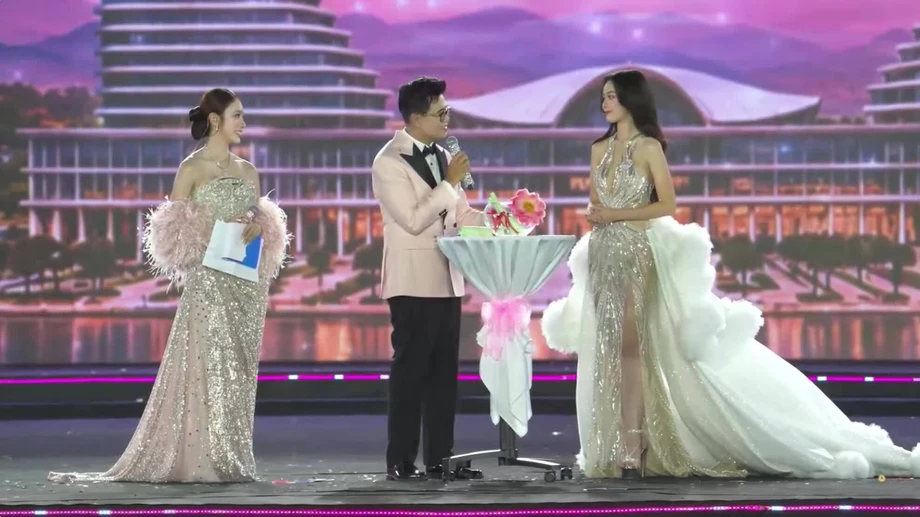
The celebrations culminated on the evening of November 24 with a televised art gala and synchronized pyrotechnic displays. The live television broadcast began at 7:30 pm, linking three main stages located at Nguyen Hue Walking Street in Ho Chi Minh City, Binh Duong Ward, and Tam Thang Tower Square in Vung Tau Ward.
Following the broadcast, municipal forces executed high altitude and low altitude fireworks shows from 21:00 to 21:15. The primary display in Ho Chi Minh City took place near the entrance of the Saigon River tunnel in An Khánh Ward, utilizing one thousand high altitude shells, two hundred low altitude shells, sixty G25 mortar racks, and thirty DBG multi shot units. Additional fireworks sites operated at the Bach Dang pedestrian park in Thu Dau Mot Ward and Tam Thang Square in Vung Tau, each firing four hundred twenty high altitude shells, eighty low altitude shells, and sixty G25 mortar racks.
Funding for the pyrotechnic displays came entirely through private social sponsorship contributions. The municipal military command coordinated with the Ministry of Defense chemical manufacturing enterprise to procure and safely transport the explosive materials to each launch site.
At a Glance
- Vietnam Culture Day was observed nationwide for the first time on November 24, 2026, marking 80 years since the first National Cultural Conference.
- Ho Chi Minh City hosted artistic 3D mapping projections from November 21 to 24 at the municipal headquarters on Le Thanh Ton Street and the Rex Hotel.
- A televised art gala and multi site fireworks display took place on the evening of November 24, connecting stages in Ho Chi Minh City, Binh Duong, and Vung Tau.
- Cultural exhibitions, book fairs, and public performances were organized across 168 wards, communes, and special zones throughout November and December.
- State run museums and historic sites offered free or discounted admission to students, workers, and tourists during the Culture and Great National Unity Week.