An Unexpected Diagnosis in a Teenager
Medical professionals in China are raising urgent awareness about lung health after treating an 18-year-old high school student who was diagnosed with stage-four lung cancer. The young woman initially sought medical attention for a persistent fever. Initial hospital tests showed she was positive for influenza A, and doctors treated her for the seasonal virus. When her condition failed to improve, physicians performed a chest computed tomography scan that revealed a massive tumor in her lung. The growth had already invaded surrounding blood vessels and spread to distant sites in her body. A subsequent needle biopsy confirmed that she had a rare form of advanced lung adenocarcinoma, a type of cancer that begins in the mucus-producing glands of the lungs.
Contents
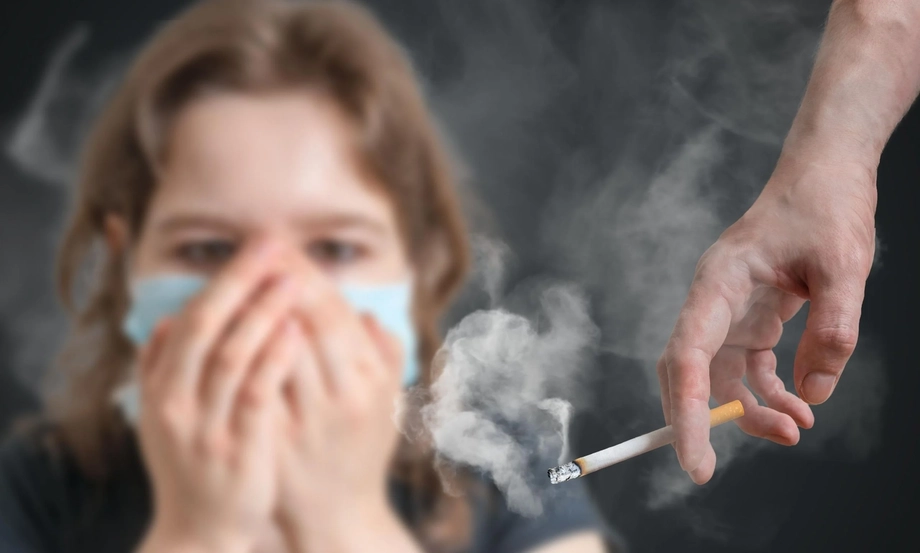
Liu Jie, deputy chief physician in the first respiratory department at Henan Cancer Hospital, treated the patient and recalled the profound emotional toll of the diagnosis. The teenager had no family history of lung cancer, and none of her close relatives had ever suffered from the disease. Investigators reviewed her daily routine to understand how a healthy teenager developed such an advanced malignancy. They discovered that her father drove her to school every single day for an hour-long commute, smoking cigarettes inside the closed vehicle the entire time. This daily exposure meant the student spent years breathing in heavy concentrations of tobacco smoke in a confined space.
The Growing Threat of Lung Cancer Among Young People
Lung cancer remains the most frequently diagnosed malignant tumor in China, according to data from the National Cancer Center. While the disease is traditionally associated with older adults, medical specialists note that patients in their twenties and thirties are no longer an anomaly in hospital waiting rooms. The disease often develops silently because early symptoms mimic ordinary respiratory illnesses. Patients frequently experience only mild coughs, low-grade fevers, and excess phlegm, which leads many individuals and doctors to mistake the initial signs for a common cold or pneumonia. This diagnostic overlap allows tumors to grow undetected until they reach advanced stages.
Medical researchers emphasize that lung cancer arises from a combination of genetic and environmental triggers. Tobacco smoke has remained the primary risk factor for decades, but passive exposure poses an equally severe threat to non-smokers. A research team led by academician Zhong Nanshan previously discovered that a substantial share of lung cancer patients do not fit traditional risk profiles. Non-smoking women and younger populations are emerging as vulnerable groups that are frequently overlooked during routine health evaluations. Experts from the Fujian Second People's Hospital note that female patients often develop lung cancer at earlier ages than their male counterparts, making early vigilance essential for everyone.
The Hidden Dangers of Secondhand and Thirdhand Smoke
Cai Cunliang, deputy chief physician in the department of pulmonary and critical care medicine at Beijing Tsinghua Changgung Hospital, explains that secondhand smoke contains more than 7,000 chemical substances, with at least 69 classified as known carcinogens. The World Health Organization officially lists secondhand smoke as a Group One human carcinogen, meaning there is definitive proof that it causes cancer in people. When parents smoke around children, the toxins impair developing lung function and trigger frequent respiratory infections or asthma attacks. Beyond active secondhand smoke, researchers warn about thirdhand smoke, which refers to the invisible toxic residue left behind by tobacco.
Between 60 and 80 percent of carcinogenic particles from cigarette smoke do not vanish into the air. Instead, these microscopic toxins settle onto clothing, car seats, furniture, and skin surfaces. This residue creates an active pollution source that continues releasing harmful chemicals into the environment for weeks or even months after the smoking has stopped. Even when a person smokes outdoors, toxic residues cling to their jacket and travel back into the home or car, continuing to expose family members to persistent chemical hazards.
Multiple Factors Contributes to Modern Cancer Risk
Doctors stress that tobacco smoke is only one piece of a larger puzzle. The young patient in Henan faced several compounding pressures in her daily life. She was juggling intense academic stress in high school, relying heavily on takeout meals rather than balanced nutrition, and spending hours sitting in a vehicle filled with cigarette smoke. Medical literature identifies several other lifestyle and environmental factors that elevate the risk of cellular mutations in the lungs. These include daily exposure to cooking fumes from high-heat frying, regional air pollution, poor dietary habits, high levels of workplace or academic anxiety, and chronic sleep deprivation.
While lung cancer is not classified as a hereditary genetic disease, certain families exhibit a genetic susceptibility that makes their bodies more sensitive to external carcinogens. Individuals with a family history of tumors face higher baseline risks and require proactive screening. Environmental ventilation during cooking is another critical protective measure. Health advisors recommend turning on range hoods before lighting a stove and leaving the ventilation running for a short time after cooking finishes to clear airborne grease particles and combustion byproducts from the kitchen.
Recognizing Subtle Symptoms and High-Risk Screening
Detecting lung cancer early requires paying close attention to persistent physical changes that do not resolve with standard rest or medication. Medical warnings highlight several specific warning signs that warrant immediate clinical evaluation. A persistent cough lasting longer than two weeks that either remains constant or grows progressively worse is a major red flag. Other indicators include unexplained hoarseness in the voice, blood-tinged sputum even if it appears only once, and neurological symptoms such as dizziness while walking, blurred vision, or double vision. Neurological signs often suggest that the cancer has metastasized to the brain, requiring urgent medical imaging.
Medical guidelines urge specific high-risk populations to undergo annual screenings using low-dose spiral computed tomography scans. High-risk groups include adults aged fifty and older, individuals with a long-term smoking history or frequent exposure to secondhand smoke, people with a family history of respiratory malignancies, and workers regularly exposed to industrial dust, paint fumes, or heavy oil vapors. Catching abnormal nodules in the lungs before they spread gives patients the highest possible chance of successful medical intervention. Following her intensive hospital treatment and recovery, the 18-year-old student from Henan has successfully returned to her high school classes, serving as a living reminder of the importance of early diagnosis and clean air.
The Bottom Line
- An 18-year-old student in Henan was diagnosed with stage-four lung adenocarcinoma after initial treatments for influenza A failed to resolve her persistent fever.
- Investigators identified daily exposure to her father is smoking inside their car during hour-long school commutes as a primary environmental risk factor.
- Medical experts emphasize that secondhand and thirdhand smoke deposit dozens of known carcinogens onto surfaces and clothing, creating lingering health hazards.
- Additional risk factors for modern youth include intense academic stress, poor diet, chronic lack of sleep, and kitchen oil fumes.
- Doctors recommend annual low-dose spiral computed tomography scans for high-risk populations, including individuals exposed to passive smoke and those with family histories of cancer.