Resignation Amid Exam Chaos
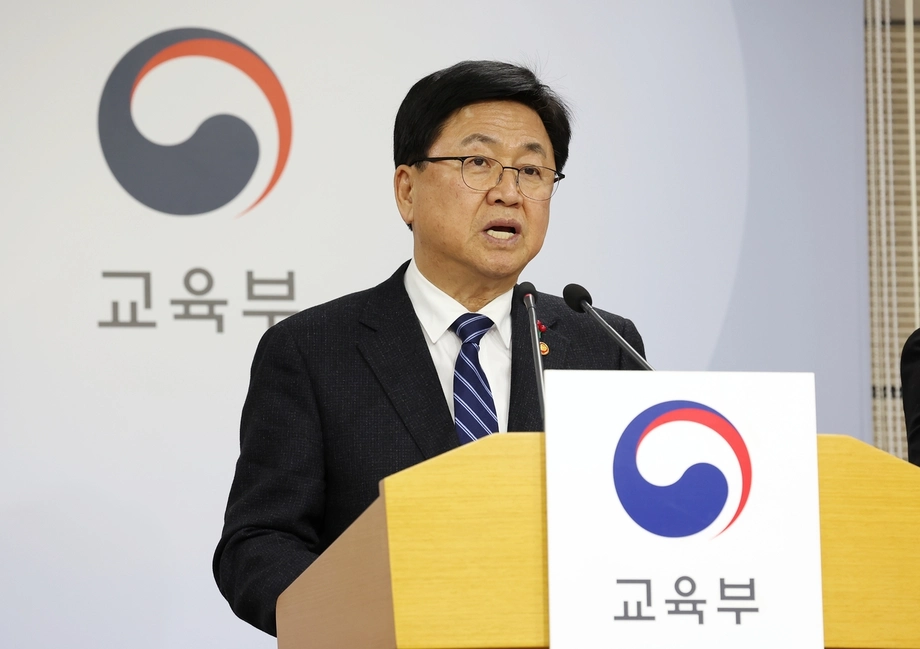
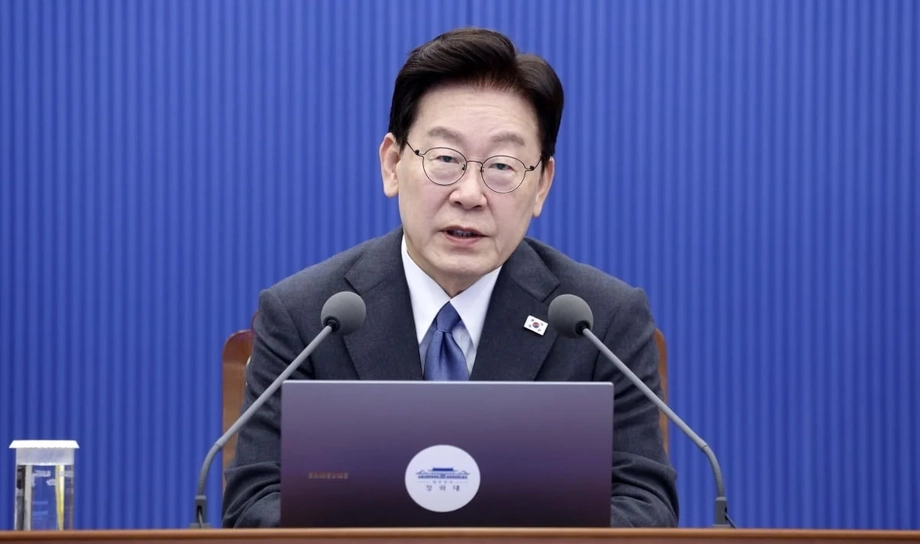
South Korea's Education Minister Choi Kyo-jin resigned on Sunday, November 22, 2026, taking responsibility for public confusion and security shortcomings during the country's high-stakes college entrance examinations. President Lee Jae Myung accepted the resignation through the presidential office, following a week marked by widespread anxiety over artificial intelligence malpractice. The controversy escalated rapidly after a top-scoring candidate in a national professional qualification test confessed to orchestrating an elaborate cheating scheme.
Contents
Education Minister Choi Kyo-jin did not appear at pre-exam press briefings, leaving a vice minister to announce emergency protocols. Critics from the political opposition argued that the leadership was absent while students faced rigorous physical inspections at testing centers across the country. Addressing the public after the test concluded, Choi acknowledged the administrative missteps.
Now that the exam is over, I take full responsibility and hereby offer my resignation.
The Confession That Shook National Confidence
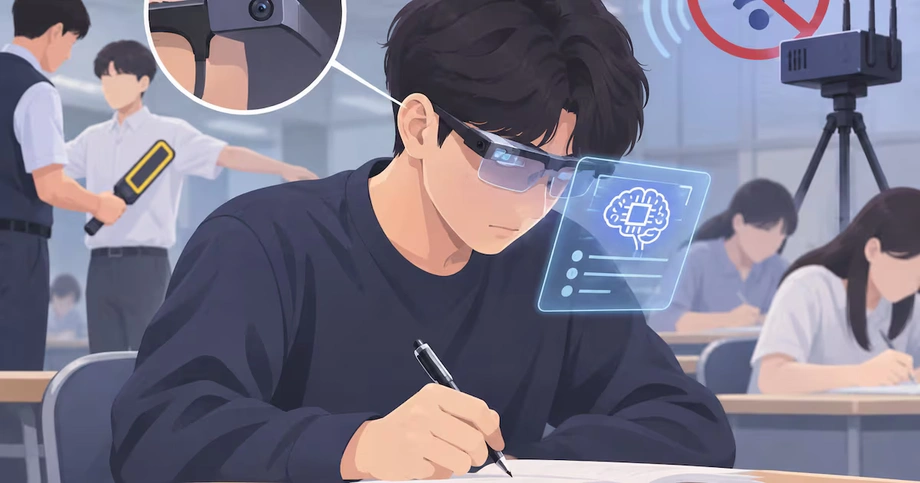
The crisis began to unfold on November 15, 2026, when a candidate named Han Won-seok admitted to cheating during the 63rd certified tax accountant examination. Han achieved a near-perfect score of 397.5 out of 400 in the first stage and secured the top overall rank after the second stage in July. Investigators learned that he used a miniature camera to photograph test questions, transmitted the images to generative artificial intelligence software, and read the answers on his smartphone.
The revelation shocked a public that places immense cultural and economic value on professional credentials and academic placement. Authorities responded swiftly to the admission by invalidating his passing certificate and barring him from the tax accountant examination for five years. Police investigators received his written confession through his legal counsel and launched a formal inquiry into his testing methods. The scandal prompted immediate concern because traditional supervision methods, such as assigning two proctors per room, failed to detect the unauthorized equipment.
The incident also recalled earlier cheating concerns involving wearable technology and digital assistance during admissions tests.
Security Measures and High-Tech Cheating Detection
The annual nine-hour College Scholastic Ability Test, widely known as the Suneung, took place on November 19, 2026, under unprecedented security restrictions. The examination serves as a gateway to prestigious universities, lucrative employment opportunities, and favorable social standing. Officials deployed a series of emergency protocols to prevent candidates from smuggling digital tools into the 1,312 designated testing sites.
Measures included blocking public wireless networks near examination rooms, placing tamper-evident stickers over clothing buttons, and stationing specialist staff trained to recognize smart glasses. Testing authorities also introduced a random verification procedure where proctors collected mobile phones and placed unexpected phone calls to verify that devices were completely powered down. Despite these precautions, officials identified 111 cases of electronic device misconduct during the Suneung. Nearly half of those violations were caught after the government broadcasted three emergency alert notifications to force the surrender of hidden smartphones.
Demonstrations held prior to the exam showed that advanced devices, such as AI-powered glasses, could solve complex academic problems in seconds.
Timeline of the Examination Crisis
- November 15, 2026: Tax accountant top scorer Han Won-seok confesses to using AI and a miniature camera to cheat.
- November 16, 2026: Prime Minister Han Seong-sook directs ministries to coordinate emergency security measures for the upcoming entrance exam.
- November 17, 2026: Constitutional Court rejects an 18-year-old student petition seeking to suspend the scheduled exam date over AI fears.
- November 19, 2026: The Suneung takes place nationwide with emergency phone alerts, Wi-Fi blocks, and button sticker inspections.
- November 22, 2026: Education Minister Choi Kyo-jin resigns, and President Lee Jae Myung accepts the decision.
Political Fallout and Parliamentary Pressure
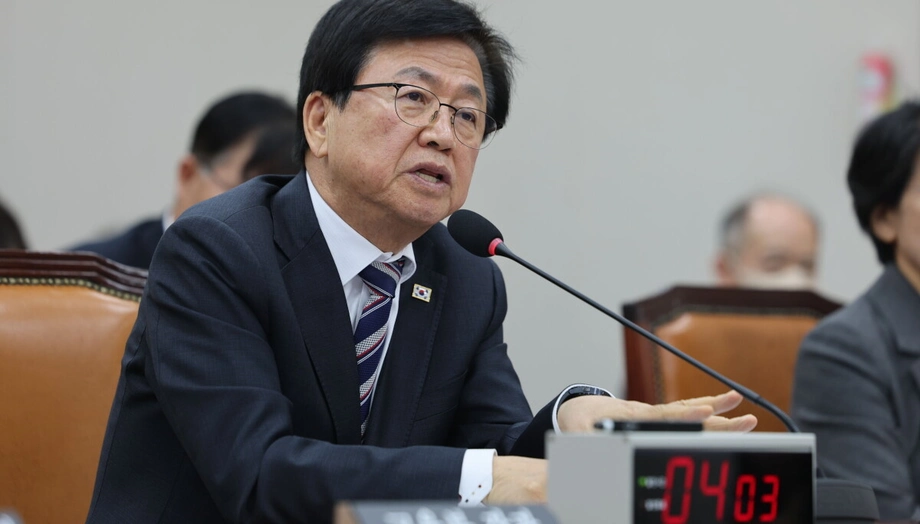
The education minister faced intense scrutiny after expressing doubt during a parliamentary hearing about whether authorities could successfully catch tech-savvy cheaters. Asked by opposition lawmakers if he was confident the ministry could intercept every AI-assisted device, the 72-year-old minister pointed to his age as a limitation. The remark drew widespread public backlash and intensified demands for accountability from teachers unions and political parties.
Seoul Economic Daily reported additional pressures on the minister, including poor communication with the National Assembly and a technical failure involving an online application system in September. Following his departure, President Lee instructed Prime Minister Han Seong-sook to oversee follow-up measures while the government begins the selection process for a new education minister.
Broader Implications for Academic Integrity
The events surrounding this year's entrance examination highlight the growing challenge that generative artificial intelligence poses to traditional proctoring. While physical checkpoints and network blocks successfully identified dozens of conventional electronic infractions, industry observers note that passive detection of microscopic optical lenses remains difficult. The South Korean government has proposed extending examination bans to ten years for individuals convicted of digital cheating.
Authorities also intend to offer financial rewards of up to 100 million won for tips regarding planned academic misconduct. No date has been announced for the formal appointment of a new education minister.
The Essentials
- Education Minister Choi Kyo-jin resigned on November 22, 2026, taking responsibility for pre-exam confusion.
- President Lee Jae Myung accepted the resignation and instructed Prime Minister Han Seong-sook to manage follow-up measures.
- Officials identified 111 electronic device violations during the Suneung, with nearly half caught via emergency phone alerts.
- The crisis was triggered by a certified tax accountant exam cheating confession involving miniature cameras and artificial intelligence.
- Proposed government penalties include a 10-year ban from retaking examinations and financial rewards for reporting misconduct.