France Seeks UN Security Council Meeting
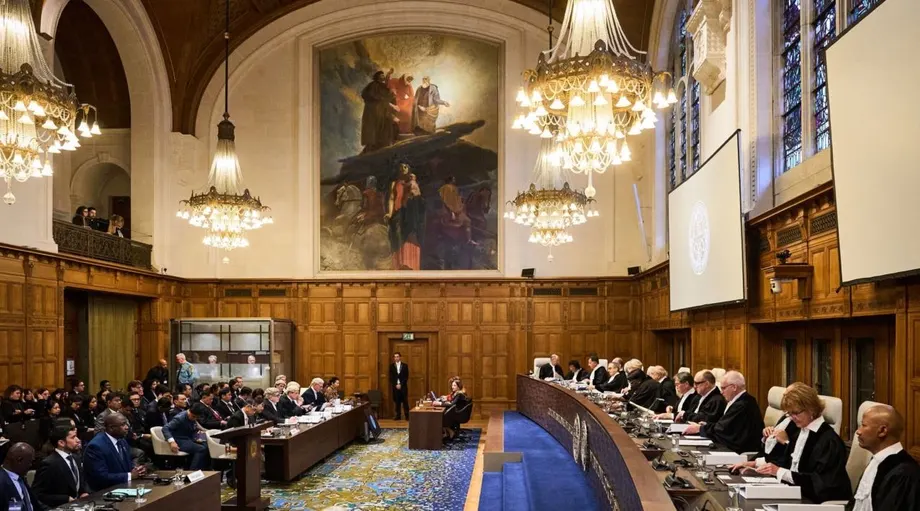
France is planning to request a meeting of the United Nations Security Council after Myanmar refused to accept a historic court ruling regarding atrocities against the Rohingya minority. The French Ministry for Europe and Foreign Affairs announced this diplomatic step, which was initiated by French Foreign Minister Jean-Noël Barrot. The legal battle at the center of this move stems from a decision by the International Court of Justice, which is the highest judicial body of the United Nations located in The Hague, Netherlands. Under the leadership of ICJ President Yuji Iwasawa, the 15-judge panel delivered its judgment following seven years of proceedings in a case originally brought by the West African nation of Gambia under the 1948 UN Genocide Convention.
Contents
- France Seeks UN Security Council Meeting
- The Landmark Court Decision and Judicial Findings
- Myanmar Rejects the Verdict as Unfair
- Humanitarian Crisis and the Civil War Context
- Timeline of Key Developments
- Diplomatic Precedents and Enforcement Challenges
- Refugee Responses and Community Expectations
- The Bottom Line
The French Foreign Ministry stated that rulings issued by the world court are final and legally binding on the parties involved in a dispute. Paris emphasized that these decisions must be fully implemented in accordance with international law. When a country fails to comply with a binding judgment, the United Nations Charter allows the Security Council to be asked to take enforcement measures. This mechanism is designed to ensure that international legal obligations are met and that judgments do not remain mere declarations on paper.
The Landmark Court Decision and Judicial Findings
The International Court of Justice found it proven that Myanmar's leadership intended to exterminate the Rohingya Muslim minority during military operations in 2017. This verdict marks the first time in the 80-year history of the United Nations court that judges determined a sovereign state committed genocide. The final decision was reached by a nine-to-six vote among the 15 judges, reflecting deep division on the bench regarding how to infer genocidal intent from circumstantial evidence. The court concluded that evidence showed Myanmar security forces killed about 10,000 people, committed widespread sexual violence, and destroyed entire villages in northern Rakhine State, targeting a population of roughly 815,000 Rohingya.
In addition to finding Myanmar responsible for genocide, the court issued specific demands to remedy the situation. The judges ordered Myanmar to pay financial compensation, allow displaced persons to return safely to their homes, and prosecute those suspected of having committed genocide. The legal proceedings trace back to November 11, 2019, when Gambia filed its application at the Peace Palace, backed by the 57-member Organisation of Islamic Cooperation. Eleven other countries intervened in the proceedings to offer interpretations of international humanitarian law and state obligations.
Myanmar Rejects the Verdict as Unfair
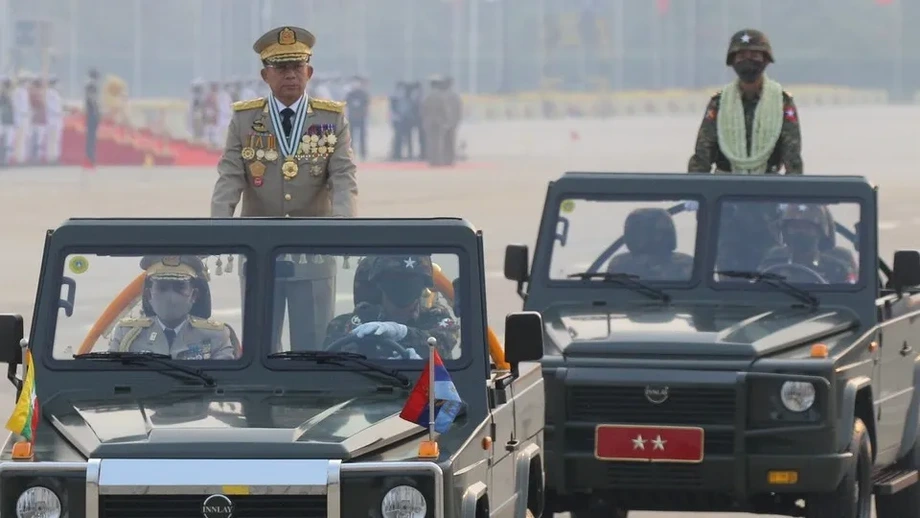
Myanmar's government dismissed the landmark judgment as unfair, maintaining that its military actions were legitimate operations against insurgents. Khine Khine Soe, spokeswoman for President Min Aung Hlaing, noted that the decision was not unanimous because six judges dissented from the majority. She spoke to reporters in the capital city of Naypyidaw, asserting that Myanmar had made every effort to fulfill its international obligations. Min Aung Hlaing, who is now president, served as the military commander in chief in 2017 when the clearance operations began following attacks on security posts by the Arakan Rohingya Salvation Army.
The Myanmar Foreign Ministry issued a detailed response arguing that the evidence presented in court failed to meet the required standard of proof to establish genocide. The ministry claimed that counter-terrorism actions were limited in scope and undertaken in direct response to terrorist attacks that caused displacement and destruction. While the government stated that it would take time to carefully study the 300-page legal documents, it did not commit to any of the remedies ordered by the court, such as reparations or the safe return of refugees.
Humanitarian Crisis and the Civil War Context
The situation in Myanmar has deteriorated significantly since a military coup in 2021, which overthrew the democratically-elected government of Aung San Suu Kyi. Violence over the past five years has claimed nearly 100,000 lives and left four million people displaced across the country. The civilian population, including the Rohingya minority, bears the heaviest burden of the ongoing conflict and faces severe restrictions on humanitarian aid access. The country is currently embroiled in a bloody civil war, with pro-democracy militias and ethnic armed groups fighting against the military regime.
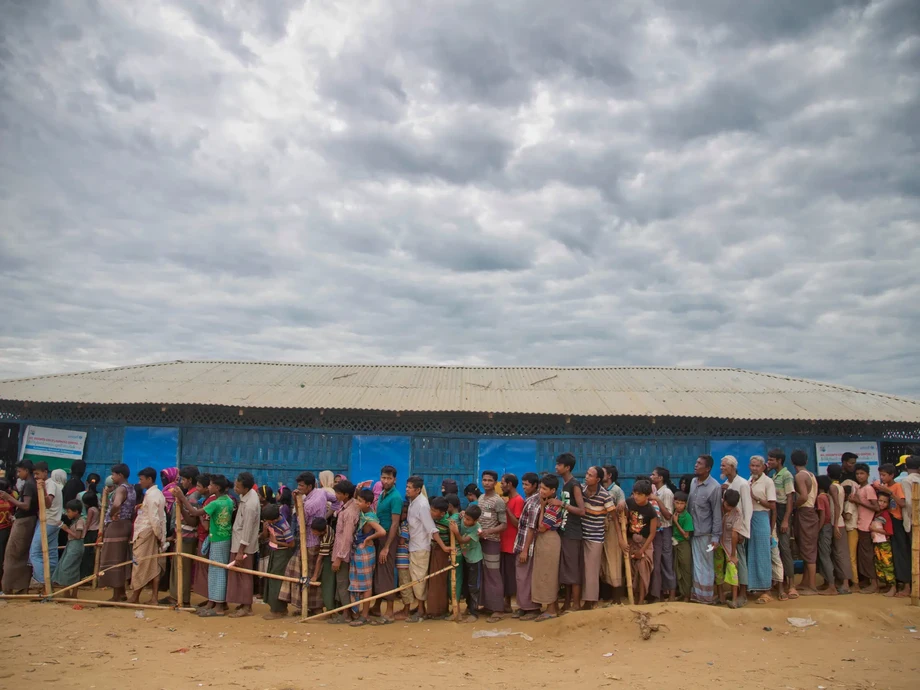
About 1.2 million Rohingya refugees now live across the border in Bangladesh, primarily in crowded settlements in the Cox's Bazar district. Refugees in these camps endure harsh conditions marked by fire hazards, infectious diseases, monsoon landslides, inadequate sanitation, and strict work restrictions. A day after the court ruling, United Nations General Assembly President Khalilur Rahman visited the Kutupalong refugee camp in Ukhiya to express solidarity with at least 35,000 Rohingya gathered at the site, declaring that the road home must begin.
Timeline of Key Developments
- August 2017: Myanmar military launches clearance operations in northern Rakhine State following attacks by armed insurgents.
- November 11, 2019: Gambia files a genocide case against Myanmar at the International Court of Justice under the 1948 Genocide Convention.
- January 2026: The court holds three weeks of hearings, examining extensive evidence and hearing arguments from participating states.
- November 19, 2026: The International Court of Justice delivers its landmark judgment, finding Myanmar responsible for genocide by a nine-to-six vote.
- November 21, 2026: Myanmar dismisses the ruling as unfair, while France announces its intention to seek a UN Security Council meeting.
Diplomatic Precedents and Enforcement Challenges
Taking a dispute to the United Nations Security Council over non-compliance with an international court judgment faces significant diplomatic hurdles. Article 94 of the United Nations Charter obligates member states to comply with court decisions in cases to which they are parties, and Article 94(2) allows the winning party to approach the Security Council if obligations are ignored. However, historical precedents show that enforcement is difficult when permanent members of the council exercise their veto powers.
In 1986, Nicaragua sought intervention after the United States refused to comply with an international court ruling regarding military activities, but the United States vetoed the draft resolution. Similarly, Honduras approached the council in 2002 regarding a territorial dispute with El Salvador without securing enforcement recommendations. In the current situation involving Myanmar, China and Russia serve as permanent members of the Security Council with veto powers and maintain close ties with Myanmar's military leadership. Any substantive resolution requires at least nine affirmative votes and no veto from any of the five permanent members, meaning opposition from Beijing or Moscow could block proposed enforcement actions.
Refugee Responses and Community Expectations
For the Rohingya community, the judicial verdict brought a mixture of deep relief and cautious optimism after years of statelessness and displacement. Rohingya leaders and activists have called upon the international community to ensure that the court order leads to tangible changes on the ground rather than remaining a symbolic declaration. Activist Nay San Lwin from the Arakan Rohingya National Council described the judgment as a vital first step toward returning to a homeland in peace and dignity. Opposition groups, including Myanmar's shadow National Unity Government, welcomed the authority of the court and stressed that justice for the Rohingya must be accompanied by efforts to end military violence against civilians nationwide.
Armed Rohingya militant groups, including the Arakan Rohingya Salvation Army and the Rohingya Solidarity Organisation, also issued statements calling for international pressure to ensure compliance. These groups have been marginalized and remain engaged in complex three-way conflicts in Rakhine State alongside the Arakan Army, a Buddhist-dominated group seeking autonomy. Despite these internal conflicts, the primary demand of displaced families remains focused on securing legal rights, citizenship, safety, and the long-awaited ability to return to their homes in Myanmar.
The Bottom Line
- France plans to request a UN Security Council meeting after Myanmar rejected a binding international court ruling.
- The International Court of Justice found Myanmar guilty of genocide against the Rohingya in a landmark nine-to-six decision.
- Myanmar dismissed the verdict as unfair and argued that its military actions were legitimate counter-terrorism measures.
- Enforcement through the Security Council faces potential veto hurdles from permanent members such as China and Russia.
- Nearly 1.2 million Rohingya refugees remain in Bangladesh while awaiting concrete steps toward safe repatriation and reparations.