Energy Spending Clears Legislative Hurdle Without Cuts
Taiwan's Legislative Yuan approved an additional NT$607.6 billion (about US$18.4 billion) in government spending for the 2026 fiscal year on November 20, 2026. Lawmakers passed the supplementary budget package without a single cut after months of political debate over state utility finances and the cost of living. The spending plan includes NT$1,725 billion in direct subsidies to help CPC Corporation and Taipower cover losses, alongside a massive capital injection for CPC Corporation. Alongside the financial package, the legislature adopted a binding resolution to freeze oil and basic electricity prices until the end of January 2028.
Contents
- Energy Spending Clears Legislative Hurdle Without Cuts
- Understanding the Supplementary Budget and State Utility Subsidies
- The Debate Over CPC Corporation Capital Increase and Infrastructure
- Political Compromise and the 2028 Energy Price Freeze
- Broader Spending Allocations in the Supplementary Budget Package
- What Changes for Households and Businesses
- Timeline of Key Events
- The Bottom Line
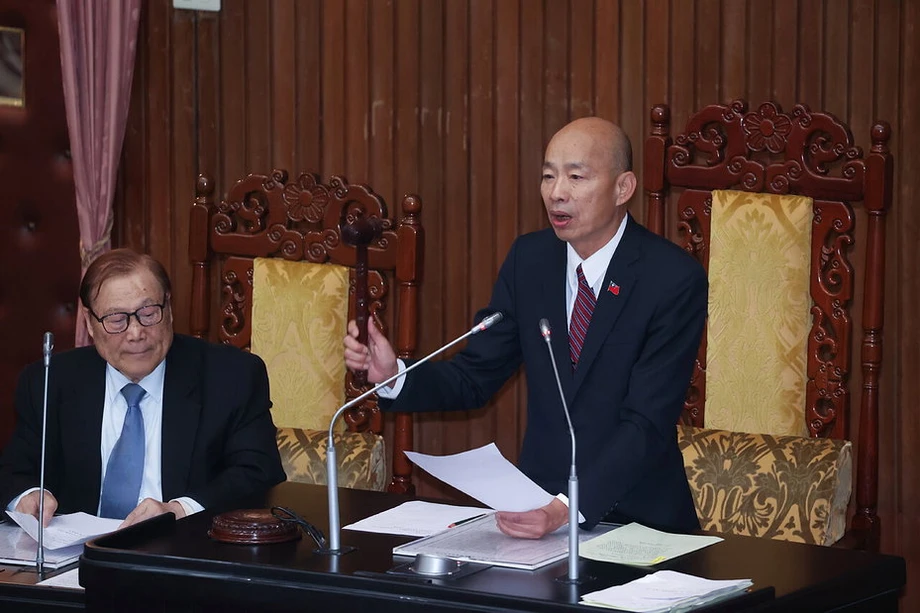
The package originated from a proposal submitted by the Executive Yuan, Taiwan's Cabinet, on September 3, 2026. Lawmakers processed the supplementary budget under the official title of the 115th year central government supplementary budget, following the Republic of China calendar year numbering system. Legislative Speaker Han Kuo-yu presided over the floor session where the final votes took place. In the revenue section, officials retained NT$82.8 billion in expected income, while the expenditure total reached NT$6076.3 billion. To finance the spending, the government will borrow an additional NT$208.55 billion through debt issuance.
Understanding the Supplementary Budget and State Utility Subsidies
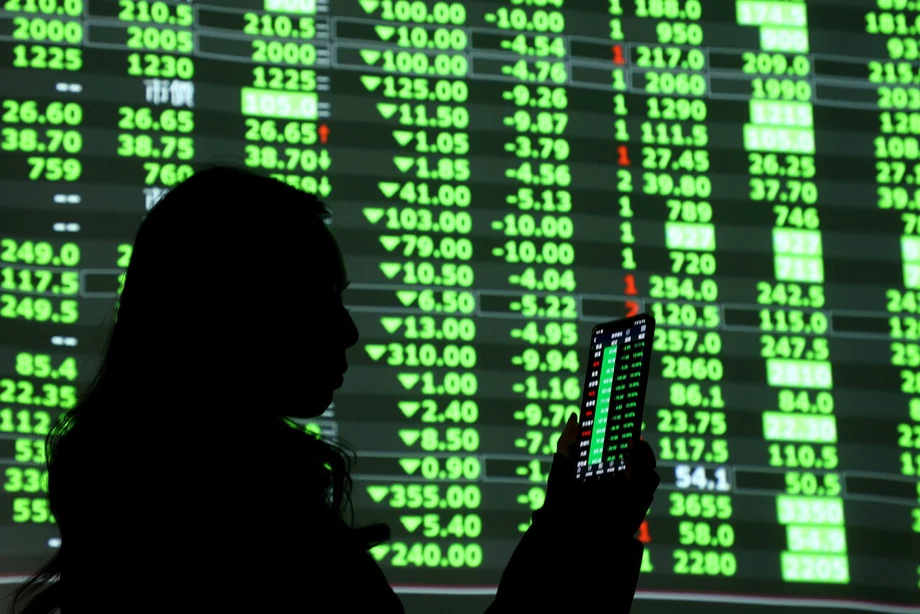
State owned energy companies in Taiwan have absorbed hundreds of billions of dollars in losses over recent years to shield consumers from surging global fuel costs. The Russia-Ukraine war and subsequent international conflicts disrupted energy markets, forcing companies to buy oil and natural gas at high prices while selling them at regulated, lower rates to the public. CPC Corporation accumulated massive debt ratios while absorbing NT$674 billion in oil and gas costs between 2020 and September 2026, according to the ministry's report published by the Ministry of Economic Affairs. Taipower recorded a loss of NT$20.3 billion during just the first eight months of 2026, pushing its total accumulated losses to NT$371.2 billion.
The supplementary budget addresses these structural financial pressures by dividing funds into direct compensation and long term capital investment. The Ministry of Economic Affairs allocated NT$101.43 billion to compensate CPC for petrol, diesel, and natural gas price restraints. An additional NT$71.1 billion went toward reimbursing Taipower for holding electricity prices steady. The package also includes NT$8.4 billion to support household liquefied petroleum gas prices, commonly known as bottled gas. These measures are designed to prevent global inflation from immediately hitting household utility bills.
The Debate Over CPC Corporation Capital Increase and Infrastructure
The largest single item in the supplementary budget is a NT$233.83 billion capital increase for CPC Corporation. A capital increase injects ownership funds directly into a company rather than paying a specific operating bill, which improves the enterprise balance sheet and lowers its debt ratio. Government officials explained that the new capital would save CPC about NT$42 billion annually in interest payments. This financial relief will allow the state company to fund critical energy security projects, including the construction of the Tongxiao to Datan second subsea natural gas pipeline and phase three of the Taichung liquefied natural gas receiving terminal.
Opposition parties initially challenged the capital increase during committee reviews. The Taiwan People Party argued that the government should separate short term price subsidies from corporate financing. TPP caucus secretary general Hung Yu-hsiang questioned whether improving CPC credit ratings through a capital increase might inadvertently fund overseas ventures that lack cost efficiency, such as past proposals for natural gas investments in Alaska. Mr. Hung also criticized the heavy reliance on natural gas, which accounts for more than half of Taiwan electricity generation, arguing that temporary cash infusions fail to fix the underlying energy policy imbalance.
Political Compromise and the 2028 Energy Price Freeze
The legislative breakthrough occurred after intense negotiations between the ruling Democratic Progressive Party and the opposition Kuomintang. The Kuomintang and the Taiwan People Party had originally proposed entirely deleting the NT$233.83 billion capital increase for CPC. Following consultations with Deputy Economic Affairs Minister Lai Chien-hsin and other officials, Kuomintang leaders withdrew their deletion motions ahead of the floor vote. The Kuomintang instead offered conditional support in exchange for strict protections for consumers.
KMT caucus Chief Secretary Hung Meng-kai explained the political agreement during the legislative session. Lawmakers passed a main resolution requiring the government to maintain oil prices at or below 2026 levels through January 31, 2028. The resolution also establishes strict electricity price caps for vulnerable groups and small businesses. Mr. Hung stated that the ruling administration had finally provided firm guarantees after sustained pressure from opposition lawmakers.
Among them, oil prices shall not be higher than the oil prices of 2026; as for electricity prices, the prices for residential electricity usage below 500 degrees per month and electricity usage for small businesses below 1,500 degrees per month shall be frozen.
Defending the broader economic strategy, DPP caucus secretary general Fan雲 argued that state utilities performed a vital public service by stabilizing domestic prices during international crises. Ms. Fan urged all political factions to support the financial package to protect the national credit rating and ensure reliable fuel supplies. When the vote finally reached the floor, the TPP motion to cut the capital increase failed by a vote of 39 to 8, with KMT legislators declining to cast ballots, allowing the entire budget package to pass.
Broader Spending Allocations in the Supplementary Budget Package
Beyond energy sector support, the NT$607.6 billion supplementary budget funds several other national priorities. The legislation allocates NT$1,457 billion to strengthen national defense capabilities, building on last year's defense budget adjustments and the release of frozen military procurement funds. Another major allocation provides NT$21.5 billion to increase welfare stipends, including higher payments for elderly farmers, participants in the national pension system, and recipients of six major social welfare categories.
The legislative session also intersected with wider debates over financial redistribution and family support policies. Lawmakers recently addressed proposals linked to the planned cash payments scheduled for early 2027, which require separate budget approvals. The current supplementary budget focuses specifically on immediate price stabilization, disaster recovery, and military readiness, ensuring that current price shocks do not derail ongoing infrastructure projects.
What Changes for Households and Businesses
The passage of the supplementary budget and the accompanying price freeze resolution provides immediate financial predictability for millions of households and small business owners. Residential customers using fewer than 500 kilowatt-hours of electricity per month will see no rate hikes on their power bills through January 2028. Small commercial enterprises consuming under 1,500 kilowatt-hours monthly will enjoy the same protection, shielding retail shops and restaurants from escalating overhead costs.
Drivers and households relying on petroleum products will similarly benefit from capped retail prices for gasoline, diesel, and bottled gas. These measures directly alter the financial pressure on working families, preventing inflation from compounding across the broader economy. At the same time, the funding secures the completion of domestic gas pipelines and storage tanks, reducing vulnerability to future overseas supply disruptions.
Timeline of Key Events
- September 3, 2026: The Executive Yuan formally approves and submits the NT$607.6 billion supplementary budget proposal.
- October 19, 2026: The Legislative Yuan Economic Committee holds hearings on mounting state utility losses and capital needs.
- October 30, 2026: Lawmakers agree to extend the legislative session to handle major budget and policy votes.
- November 20, 2026: The Legislative Yuan passes the supplementary budget in a third reading without cuts and adopts the energy price freeze resolution.
Several questions remain open as the government prepares to execute the newly approved funding. Officials have not yet detailed the exact quarterly milestone reviews for the CPC infrastructure projects financed by the capital increase. Additionally, while the price freeze is legally bound through January 2028 via the legislative resolution, administration officials have not outlined specific adjustment formulas for fuel markets if international crude prices exceed government projections during that window.
The Bottom Line
- The Legislative Yuan approved the entire NT$607.6 billion supplementary budget on November 20, 2026, without any spending cuts.
- The package features a NT$233.83 billion capital increase for CPC Corporation and NT$1,725 billion in direct utility subsidies.
- Lawmakers passed a binding resolution mandating that oil prices and specific residential and small business electricity rates remain frozen through January 2028.
- Ruling and opposition parties compromised after initial disputes over utility governance and energy policy, allowing the funding to clear parliament successfully.