PAS President Outlines Terms for Coalition Consideration
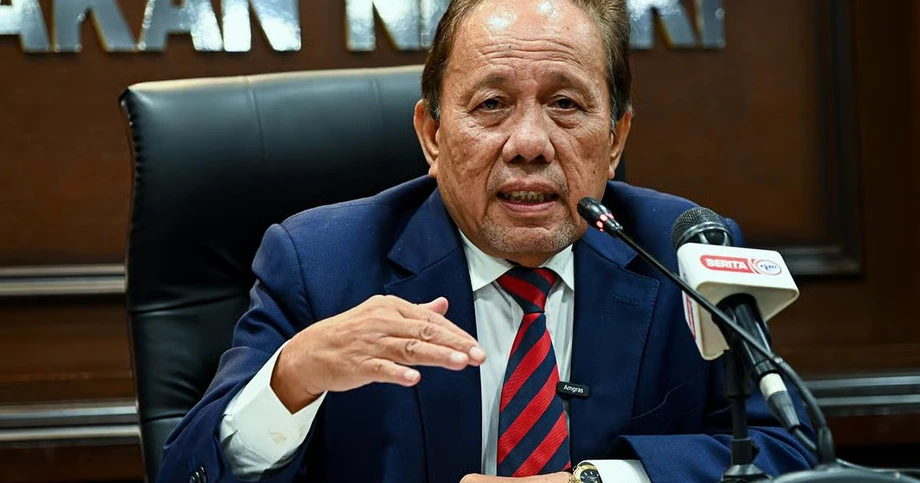
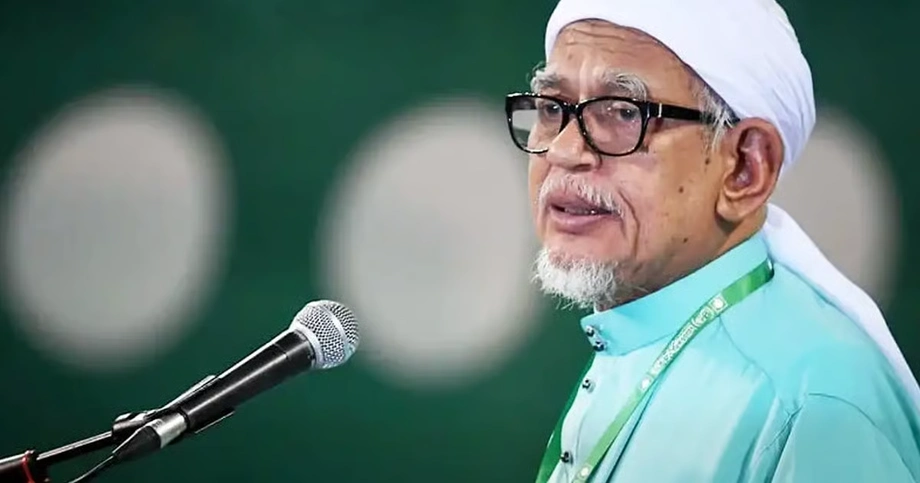
Political dynamics in Malaysia shifted on November 21, 2026, when Islamic Party of Malaysia president Tan Sri Abdul Hadi Awang declared that his party would only consider joining the Pakatan Harapan led unity government if the Democratic Action Party exits the coalition. Speaking at a press conference in Dungun during the launch of the Terengganu election machinery for the sixteenth general election and the Teguh Memimpin Terengganu gathering, the Marang Member of Parliament stated that any response regarding future cooperation depends entirely on the removal of the Democratic Action Party from the ruling administration. He declined to speculate on whether such a removal would actually occur.
Contents
The policy differences between the Islamic party and the Pakatan Harapan coalition run deep, originating from longstanding disagreements over national policies and constitutional matters concerning the rights of Muslims. The party president highlighted specific points of contention, including proposed constitutional amendments and the potential reintroduction of local government elections, which involve municipal council polls. These issues touch directly upon matters affecting Muslim politics in the country, maintaining a divide that has persisted for over a decade since the dissolution of their former opposition alliance, Pakatan Rakyat, in 2015.
Internal Party Rejection and Dismissal of Proposals
The debate surrounding potential political realignments gained traction earlier in the week when Amanah communications director Khalid Samad urged the Islamic party to end its cooperation with Umno and support Prime Minister Anwar Ibrahim instead. That call followed a proposal from former Negeri Sembilan Islamic party chief Rosli Yaakop, who suggested that the party should work with the current administration to learn about economic management and international diplomacy. Islamic party vice president and Bagan Serai MP Idris Ahmad swiftly dismissed the suggestion, describing it as one of the most entertaining topics of the week. He emphasized that his organization evaluates political cooperation based on the interests of religion and the nation rather than persuasion from external parties.
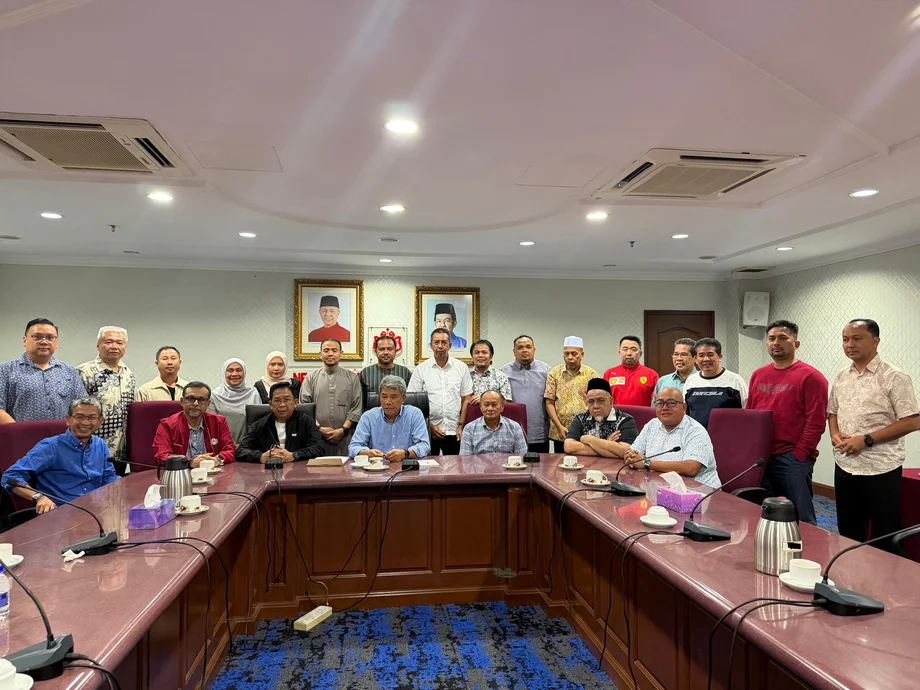
Higher leadership bodies within the party have not formally discussed joining the administration or supporting the prime minister. Idris Ahmad noted that neither the supreme council meeting on November 15 nor the syura council meeting on November 17 addressed the proposition. Instead, leadership remains focused on strengthening electoral cooperation between Perikatan Nasional and Barisan Nasional ahead of the next national ballot. Party leaders view recent political shifts as a reflection of public discontent, driving the need to unify major Malay political forces to meet voter expectations.
Foreign Envoys and Historical Overtures
Political maneuvering has extended beyond domestic actors, involving notable international figures attempting to bridge divides. Abdul Hadi Awang claimed that Turkiye President Recep Tayyip Erdogan once asked him about the possibility of reconciling with Anwar Ibrahim and Pakatan Harapan during an Islamic scholars conference in Turkiye. According to the party president, the foreign leader raised the question directly following efforts by various factions to utilize international influence to persuade the Islamist party to join the governing bloc.
Despite such discussions and alleged past offers from Pakatan Harapan involving cabinet and ministerial positions, the Islamic party rejected all overtures. The party president asserted that cooperation must align with fundamental policies rather than government positions. He noted that domestic intermediaries and foreign leaders alike had attempted to broker negotiations, but leadership chose to maintain its current political trajectory alongside coalition partners committed to stability.
Debating Alternative Coalitions and Power Sharing
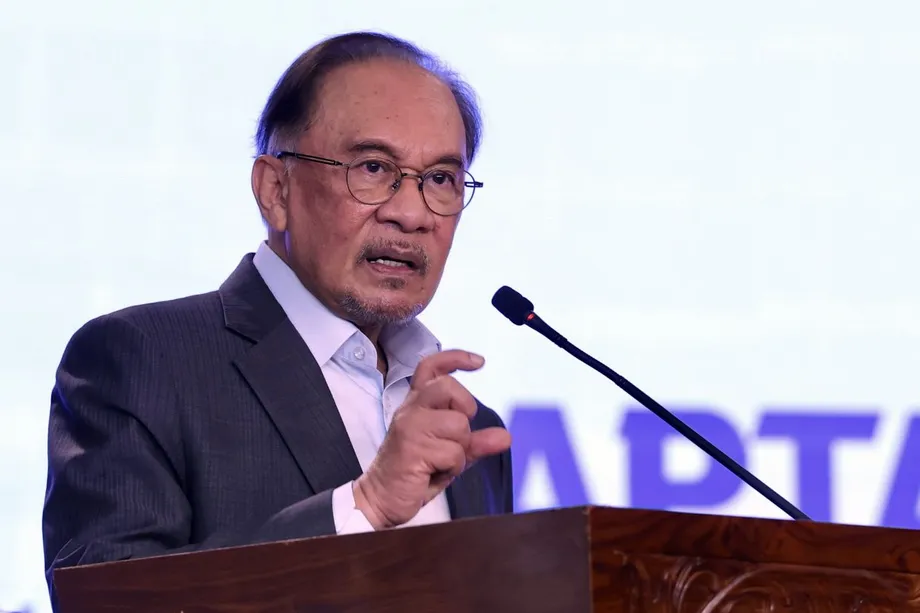
Political analysts and commentators have actively debated the viability of reviving historical cooperation frameworks similar to the late twentieth century Barisan Alternatif model. Former Youth and Sports Minister Khairy Jamaluddin suggested on a podcast episode featuring himself, Shahril Hamdan, and Ong Kian Ming that Prime Minister Anwar Ibrahim might secure his political position by bringing the Islamic party back into a coalition while sidelining the Democratic Action Party. Such a move would aim to capture a larger share of Malay voter support following recent electoral setbacks, though commentators expressed doubt that the Islamic party leadership would accept such an arrangement.
Former Law Minister Datuk Zaid Ibrahim urged that the Democratic Action Party should not be sidelined from national unity efforts simply due to its voter base representing the Chinese community. He maintained that the two parties share more commonalities than differences if genuine dialogue occurs. Meanwhile, Islamic party treasurer Iskandar Abdul Samad criticized the invitation from Amanah as illogical, pointing out the recent election results where the Islamic party secured seats while opponents struggled to win.
Electoral Preparations and Regional Governance
Preparations for the sixteenth general election continue across multiple states, with seat allocations forming a central component of current strategy. The Islamic party remains ready to compromise within the Perikatan Nasional framework, demonstrating flexibility by accepting the status quo of twenty one seats in Negeri Sembilan and contesting challenging constituencies during previous state polls like the Melaka election. Leadership confirmed that differing views across the four SG4 states of Terengganu, Kelantan, Kedah, and Perlis will not disrupt major decisions, as central leadership manages seat distribution.
State administration policies have also emphasized inclusivity to counter accusations of prejudice. Following the appointment of a non Muslim nominated assemblyman from the Gerakan party in Terengganu, the party president explained that the decision reflects a national consideration to demonstrate fairness. Non Muslim representatives from affiliated groups like the party supporters congress now hold positions in district councils, municipal councils, and government linked companies.
At a Glance
- Abdul Hadi Awang stated his party will only consider joining the unity government if the Democratic Action Party leaves the coalition.
- Disagreements between the parties center on national policies, constitutional matters, and proposals regarding local government elections.
- Party vice president Idris Ahmad dismissed suggestions to join the administration, confirming no such discussions occurred in recent council meetings.
- Leadership claims that foreign figures, including Turkiye President Recep Tayyip Erdogan, previously inquired about political reconciliation efforts.
- Preparations for the sixteenth general election involve seat negotiations across the Perikatan Nasional coalition and integration of non Muslim representatives in state governance.