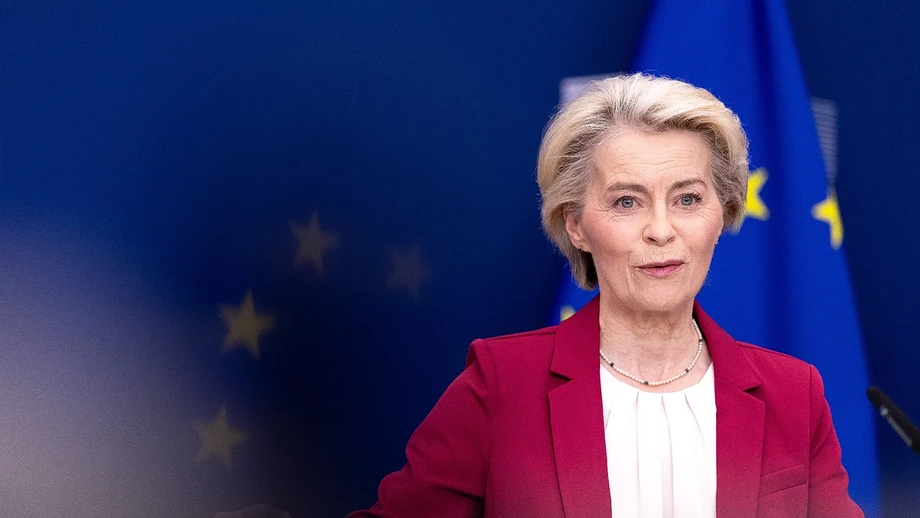
A Decade of Negotiations Culminates in Brussels
European Union and Indonesian officials gathered on Friday, November 21, 2026, at the European Commission headquarters in Brussels, Belgium, to sign a sweeping trade and investment pact. The signing ceremony marked the end of nearly ten years of talks that began in July 2016. Trade between the two regions stood at €28.9 billion in 2025, with European exports valued at €10.2 billion and imports from Indonesia reaching €18.7 billion. European Commission President Ursula von der Leyen spoke by phone with Indonesian President Prabowo Subianto to mark the occasion before the formal proceedings.
Contents
The agreement connects the world single market of 450 million people with Southeast Asia's largest economy and the fourth most populous nation globally. Together, the two economies encompass a combined market of 730 million people. Indonesian Coordinating Minister for Economic Affairs Airlangga Hartarto led the delegation in a bilateral meeting with European Commissioner for Trade and Economic Security Maroš Šefčovič ahead of the ceremony. Indonesian Trade Minister Budi Santoso and Investment and Downstreaming Minister Rosan Roeslani also took part in the delegation representing Jakarta.
European Union governments previously authorized the signature and provisional application of the pact on Wednesday, November 18, 2026. The text consists of two distinct instruments known as the Indonesia-European Union Comprehensive Economic Partnership Agreement and the Indonesia-European Union Investment Protection Agreement. The first pact removes tariffs on nearly all bilateral trade, while the second establishes legal safeguards for long-term investors. Indonesian Trade Minister Budi Santoso signed the trade agreement alongside Maroš Šefčovič, while Coordinating Minister Airlangga Hartarto signed the investment protection pact with the same European commissioner.
Tariff Elimination and Savings for Businesses
Under the terms of the agreement, Indonesia will eliminate import duties on 96% of its tariff lines for European goods, while liberalizing up to 98.5% of total tariff lines. European Commission officials project that exports to Indonesia will increase by nearly 40% within 15 years. European exporters stand to save more than €600 million each year in customs duties. Indonesian Coordinating Minister for Economic Affairs Airlangga Hartarto explained the immediate relief for local businesses during the rollout of the agreement.
Manfaat bagi eksportir kita konkret dan terukur. Sebanyak 90,4% pos tarif akan menikmati tarif nol persen sejak hari pertama, dan 8% lainnya akan dihapus secara bertahap selama tiga hingga 15 tahun atau melalui kuota tarif.
Airlangga Hartarto noted that 90.4% of Indonesian tariff categories will enjoy zero tariffs from the very first day the agreement applies. Another 8.37% of tariff lines will see duties phased out over a period ranging from three to 15 years or managed through specific quota arrangements. Indonesian export items slated for immediate zero tariffs include palm oil and its derivatives, garments, fabrics, accessories, footwear, leather shoes, sneakers, sports shoes, and sandals.
Automotive Sector Openings and Manufacturing
Automotive products manufactured within the European Union currently face Indonesian import duties reaching as high as 50%. The new partnership agreement will gradually reduce these automotive tariffs to zero over the next five years. This change aims to improve the price competitiveness of European vehicles in the Indonesian domestic market. The agreement is also slated to open new investment opportunities in areas such as electric vehicles, electronics, and pharmaceuticals. European Commission President Ursula von der Leyen highlighted the practical impact of these market changes during the signing event.
This is one of the most ambitious deals the European Union has concluded in Asia. It connects our Union of 450 million people with the largest economy in Southeast Asia, and the fourth most populous country in the world.
Sectors dealing in machinery and motor vehicles expect to benefit immediately once the rules take effect. Indonesian officials noted that the agreement serves national interests by supporting labor-intensive industries and micro, small, and medium enterprises that export to European markets. The European Council stated that the agreement will also facilitate trade in services, expand access to government procurement opportunities, and strengthen intellectual property protection.
Global Economic Pressures and Trade Diversification
The swift conclusion of the trade pact reflects broader shifts in the global economy, including the impact of sweeping tariffs introduced by the United States. Indonesia faced a 32% tariff during initial trade announcements before negotiating a 19% rate in an agreement signed earlier. European officials pointed out that expanding trade networks helps offset external economic volatility and strengthens the resilience of member states. Irish Minister for Foreign Affairs and Trade Helen McEntee emphasized the broader message behind the agreement.
Amid economic uncertainty, this agreement sends a clear signal that the European Union remains committed to open markets, sustainable growth and international partnerships that deliver tangible benefits for businesses, workers and consumers.
European trade policy experienced a transformative year in 2026, featuring agreements with Mercosur, India, Australia, Mexico, and the Philippines alongside the Indonesian pact. Brussels currently maintains 45 trade agreements with 80 partners worldwide. The European Union and Indonesia aim to bring their new agreements into provisional application as swiftly as possible to maintain trade momentum.
Timeline of Key Events
- July 2016: Negotiations for the trade and investment partnership officially begin
- September 2025: Substantive conclusion of the comprehensive economic partnership in Bali
- November 18, 2026: Council of the European Union authorizes the signature and provisional application
- November 21, 2026: Formal signing ceremony takes place at the European Commission headquarters in Brussels
- January 1, 2027: Target date for provisional application of the agreements and expiration of the Generalized Scheme of Preferences facility
Next Steps and Ratification Procedures
Both the European Union and Indonesia must complete domestic legal procedures before the agreements can take full effect. The European Parliament needs to review and approve the signed texts. Indonesia is simultaneously undertaking its own national ratification procedures involving the House of Representatives. Officials in Jakarta are working to finalize these steps to align with the expiration of the European Union Generalised Scheme of Preferences facility on January 1, 2027. That preference scheme currently grants preferential tariffs to various Indonesian exports.
Indonesian Trade Minister Budi Santoso previously noted that prompt ratification is necessary to ensure uninterrupted access for local exporters when the old preference scheme ends. Following the Brussels meeting, Indonesian President Prabowo Subianto is scheduled to visit Brussels on December 11 for further talks with Ursula von der Leyen before both leaders travel to Miami for the G20 summit. If domestic approvals proceed smoothly, the trade and investment agreements could apply provisionally from early next year, preserving market access and investment protections for businesses on both sides.
At a Glance
- The European Union and Indonesia signed their trade and investment agreements on November 21, 2026, in Brussels after nearly a decade of talks.
- Tariffs will be eliminated on 96% of Indonesian tariff lines for EU goods, while Indonesia achieves immediate zero tariffs on 90.4% of its export categories entering Europe.
- Indonesian import duties on European automotive products, which reach 50%, will be phased out entirely within five years.
- Bilateral trade between the two partners totaled €28.9 billion in 2025, supported by additional trade in services exceeding €9 billion.
- Both governments are targeting provisional application of the agreements by January 1, 2027, pending parliamentary approvals and domestic ratification procedures.