Cash plan passes as constitutional dispute grows
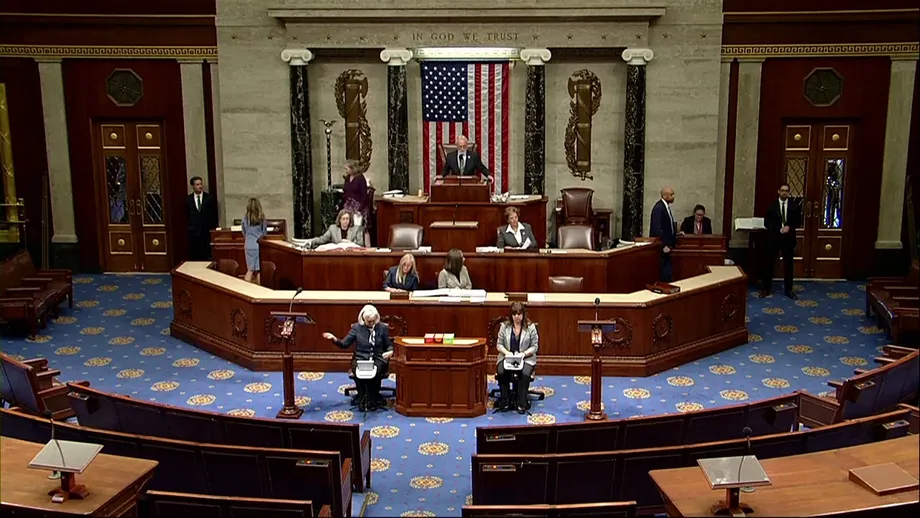
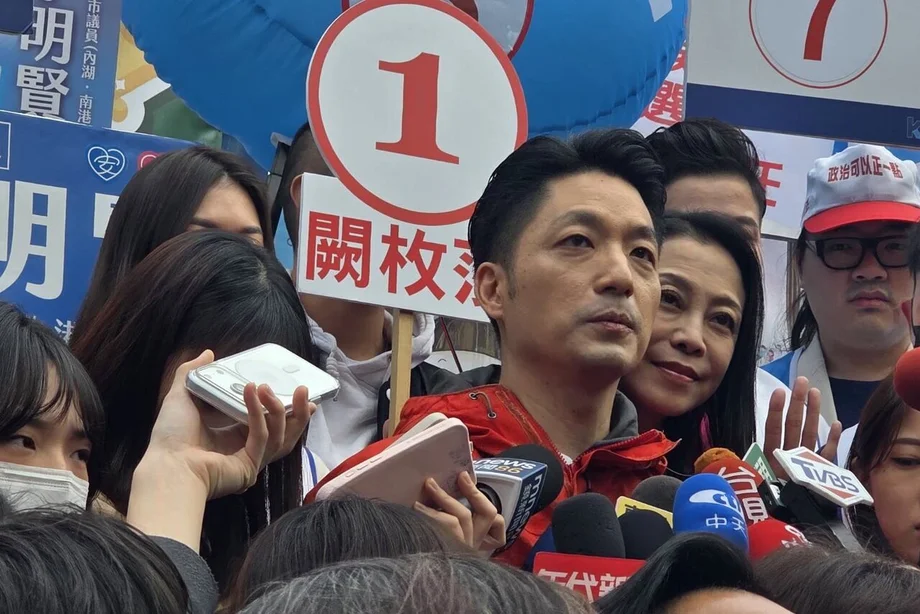
Taipei Mayor Chiang Wan-an urged Taiwan's Executive Yuan on Nov. 21 not to block a proposed NT$20,000 cash payment, one day after the Legislative Yuan passed the measure by 50 votes to 46. Speaking while campaigning at Donghu Market in Taipei, Chiang said households were under pressure as stock prices weakened and called the payment a practical form of help.
Contents
- Cash plan passes as constitutional dispute grows
- What would the law provide?
- How did the bill reach a final vote?
- Why are the parties divided?
- What figures are being used in the funding debate?
- What happens to the separate NT$10,000 plan?
- What is the political dispute over timing?
- Key dates in the cash plan
- What residents still need to know
- Key Points
The bill, called the Act for All to Share Economic Results and Stabilize Livelihoods, would provide money to all Taiwanese nationals without an income limit. It has passed its third reading, the legislature's final vote on a bill, but it is not yet ready for distribution. The Executive Yuan has raised constitutional concerns and warned it may take action to respond.
Chiang, a member of the opposition Kuomintang, framed the payment as a way to let the public share in gains from the artificial intelligence boom. He called on Democratic Progressive Party lawmakers to ask the government not to withhold its countersignature and stop the payment. In Taiwan's lawmaking process, a countersignature is a required government signature connected to the president's promulgation of a law.
Chiang said the money would provide direct support to households facing financial pressure. The Taipei mayor said:
This NT$20,000 is practical help for many people.
What would the law provide?
The measure sets a payment of NT$20,000 per eligible person, with no income based exclusion. The payment would be exempt from income tax and could not be seized, used to offset a debt, offered as collateral or taken through compulsory enforcement.
The rules still require the Executive Yuan to submit a special budget to the legislature within one month after the law takes effect. A special budget is a spending plan for a specific purpose outside the government's regular annual budget. Once that budget takes effect, the law gives the government three months to complete payments.
Those deadlines do not provide a confirmed date for money to arrive. The law must complete its formal steps, the special budget must be reviewed and approved, and the authorities still need to announce practical details such as how people will claim the payment. The administration has already questioned whether the bill is constitutional, adding uncertainty to the timetable.
How did the bill reach a final vote?
The Kuomintang proposed raising a cash payment to NT$20,000 after President Lai Ching-te announced on Aug. 17 that the government planned a NT$10,000 payment in 2027. The legislature sent the new proposal to a second reading on Oct. 16, then held negotiations between parties. Those negotiations failed to produce agreement, and the bill went to a final vote on Nov. 20.
Democratic Progressive Party caucus chief executive Chuang Jui-hsiung said the bill moved quickly, without committee review and with less than an hour of cross party negotiation on Oct. 17. Chuang also said the party had called for its lawmakers to attend the vote. Thirteen DPP lawmakers were absent, including Shen Po-yung.
The DPP caucus had decided on Sept. 29 that lawmakers running for local executive posts could be excused from caucus attendance requirements after the Oct. 8 election of legislative committee conveners. Chuang said those lawmakers were using the final days before the election to meet voters. He also argued that it was unfair to label absent lawmakers as taking public pay without working, noting that Chiang himself had taken leave from Nov. 12 to campaign.
Why are the parties divided?
The main disagreement is about how to pay for the measure and who has the authority to propose public spending. The DPP caucus says the special law directs the Executive Yuan to prepare spending, intruding on the executive branch's role in proposing budgets. It has also cited Article 70 of Taiwan's Constitution, which restricts legislators from proposing increases to spending in budgets submitted by the Executive Yuan.
The DPP's Chuang said the NT$471.4 billion cost could require about NT$380 billion in borrowing. He said the money's source and the plan for repaying debt had not been explained to the public. Chuang also called for a national fiscal conference to consider whether the spending could reduce funds available for defense or social welfare.
The Taiwan People's Party also opposed the NT$20,000 bill, despite supporting the idea of sharing economic gains with the public. Its caucus whip, Jacky Chen, said borrowing would pass the cost to younger generations. Chen said:
Today's red envelope must not become the next generation's bill.
The TPP has proposed changes to the Budget Act to set a formal framework for distributing cash. Its lawmakers did not vote in favor of the payment on Nov. 20. The party has also argued that any distribution should follow a clear formula for how government surpluses are divided among social welfare, investment, emergency reserves and public payments.
What figures are being used in the funding debate?
The administration's spokesperson, Lee Hui-chih, put the cost of the NT$20,000 payment at about NT$471.4 billion. The administration has pointed to an estimated 2025 budget surplus of NT$85.7 billion and said the payment could require borrowing. The estimated total cost is about five and a half times that surplus.
The Finance Ministry has estimated that tax revenue for the year could exceed the budget forecast by NT$110 billion to NT$160 billion. After accounting for tax revenue allocated to local governments, however, the ministry put the central government's additional usable funds at only NT$30 billion to NT$60 billion.
The Kuomintang has pointed to rising tax receipts as a reason to return more money to residents. Party lawmaker Hsu Yu-chen cited figures showing that net tax collections from January to October 2026 reached NT$4.1383 trillion, up NT$849.9 billion, or 25.8 percent, from the same period a year earlier. The difference between total tax growth and the central government's estimated available funds reflects, in part, the share assigned to local governments.
What happens to the separate NT$10,000 plan?
The NT$20,000 proposal sits alongside the administration's earlier plan to pay NT$10,000 in 2027. That plan was intended for the government's annual budget and was presented as a way to make a payment without new borrowing. A proposed first payment date of Jan. 26, 2027, depends on approval of that budget and remains subject to the legislative process.
The two plans use different legislation and budget processes. The new bill does not settle whether the NT$10,000 plan will proceed, whether it will be changed, or whether residents could receive both payments. No decision on a combined NT$30,000 payment has been announced.
The older plan was expected to cover Taiwanese citizens with household registration and certain other eligible residents, including some permanent residents and foreign spouses. The new bill says the NT$20,000 payment is for all nationals, while leaving specific eligibility rules and claim methods for government agencies to set. Those details have not yet been published.
What is the political dispute over timing?
The vote took place eight days before the local election, according to statements made during the debate. DPP lawmakers accused the Kuomintang of making an election promise while leaving the Executive Yuan to find the money. Before the vote, Chuang said the proposed NT$10,000 annual budget payment and the additional NT$20,000 special budget could together cost more than NT$700 billion.
Chuang argued that lawmakers could propose legislation but should also explain where continuing revenue would come from. The DPP's objection is both financial and constitutional: it says the new spending could require borrowing and that the legislature cannot use a special law to direct the executive to make a budget proposal.
The TPP has taken a different route from both larger parties. It supports sharing economic gains but says rules should be written into the Budget Act before payments are set. Its lawmakers opposed the bill rather than joining the Kuomintang, which supported the measure, or the DPP, which voted against it.
Key dates in the cash plan
Aug. 17: President Lai announces the administration's planned NT$10,000 payment for 2027.
Oct. 16: The NT$20,000 bill advances to a second reading.
Nov. 20: The Legislative Yuan passes the bill at third reading, 50 votes to 46.
After the law takes effect: The Executive Yuan has one month to submit a special budget.
After the special budget takes effect: The law sets a three month period for completing distribution.
Jan. 26, 2027: The administration's earlier NT$10,000 plan lists this as a possible first payment date, subject to budget approval.
What residents still need to know
Passing the bill does not mean residents can claim money now. The government must complete the law's formal process, submit and secure approval for the special budget, and announce eligibility and payment arrangements. The legal dispute may also affect the schedule.
The immediate choice before the administration is whether to proceed with the law or pursue its stated constitutional response. The legislature's vote has set out the proposed amount and broad protections, while the final cost, funding plan, precise eligibility rules and payment date remain unsettled.
Key Points
The Legislative Yuan passed a NT$20,000 payment bill on Nov. 20 by 50 votes to 46.
The bill covers all Taiwanese nationals without an income limit and protects payments from tax and seizure.
The administration estimates the cost at NT$471.4 billion and has raised borrowing and constitutional concerns.
The Executive Yuan would have one month after the law takes effect to submit a special budget, followed by a three month distribution deadline once that budget takes effect.
The separate NT$10,000 plan for 2027 has no confirmed payment date, and it is not settled whether it will combine with the NT$20,000 proposal.