Two new recalls target inflators exposed to years of heat and humidity
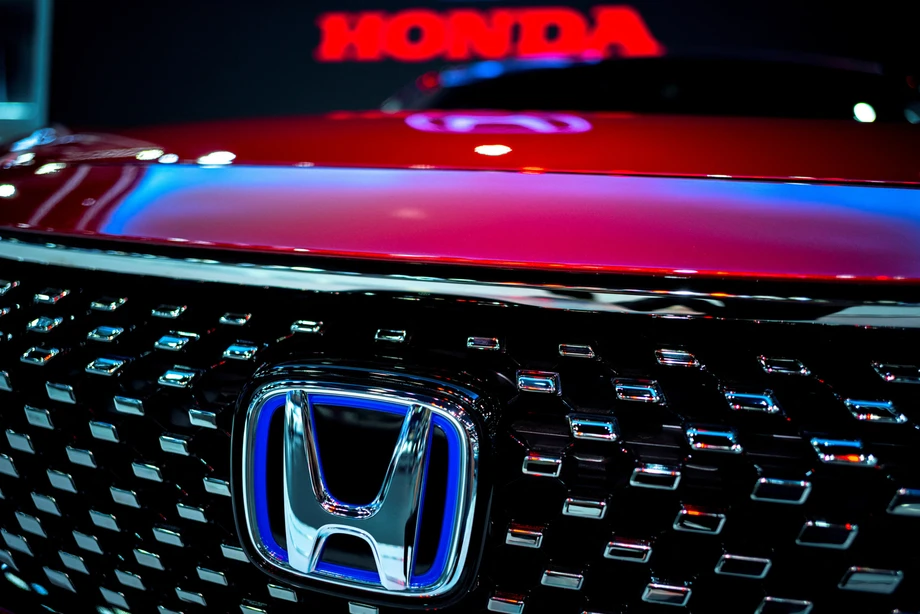
Honda and Toyota announced recalls on November 20, 2026, covering about 1.6 million vehicles worldwide because Takata airbag inflators could rupture when an airbag deploys. Honda is recalling 810,592 vehicles in the United States. Toyota's recall covers about 790,000 vehicles worldwide, including 314,029 in the United States.
Contents
- Two new recalls target inflators exposed to years of heat and humidity
- Which Honda and Toyota vehicles are included?
- What will dealers repair, and when?
- Why climate and vehicle history matter
- A recall crisis that has unfolded over many years
- Key dates in the recall story
- What drivers should do now
- Key Points
Neither company has reported a crash, injury or inflator rupture linked to the vehicles in these new recalls. The risk comes from propellant inside the inflator, the part that rapidly fills an airbag with gas during a crash. If the propellant degrades, the inflator can break apart when activated and send sharp metal pieces into the vehicle cabin.
The newly recalled inflators contain a moisture absorbing material called a desiccant. That is different from the inflators linked to earlier Takata deaths, which did not contain a drying agent. Honda says extended monitoring found signs that propellant in some inflators could degrade in certain areas. Toyota says some of its inflators are nearing the end of their estimated safe service life.
The scale of the older crisis explains why even early signs of a problem are prompting action. The National Highway Traffic Safety Administration, or NHTSA, says 28 people in the United States have been killed and at least 400 have allegedly been injured by exploding Takata inflators. At least 20 of the deaths involved Honda vehicles, according to the recall information.
NHTSA said independent testing and computer simulations helped the automakers respond before a rupture was reported in these newly recalled vehicles. The agency described the companies' action this way:
Honda and Toyota saw early evidence of degradation risk in certain of their vehicles and are currently conducting proactive recalls of vehicles.
That warning concerns a defect that may develop over time. Heat and humidity can speed up chemical changes in the propellant, while repeated swings between hot and cooler temperatures can add stress. The result, if an inflator ruptures, can be a burst of metal fragments rather than a controlled release of gas.
Which Honda and Toyota vehicles are included?
Honda's recall covers certain 2013 Honda Accord, 2012 and 2013 Honda Civic, 2012 and 2013 Honda CR-V, 2013 Acura ILX and 2013 Acura RDX vehicles. The recall applies to vehicles originally sold or ever registered in 14 states and territories with hot, humid conditions and large temperature changes.
The locations are Alabama, California, Florida, Georgia, Hawaii, Louisiana, Mississippi, South Carolina and Texas, as well as Puerto Rico, the U.S. Virgin Islands, the Northern Mariana Islands (Saipan), Guam and American Samoa. A car's current location alone may not settle whether it is covered: Honda says the vehicle's original sale or registration history matters.
Toyota's U.S. list includes certain 2002 to 2010 Lexus SC430, 2011 Lexus IS250, 2017 Lexus GX460, 2003 to 2008 Toyota Corolla, 2005 and 2006 Toyota Tundra, 2005 to 2007 Toyota Sequoia, and 2016 and 2017 Toyota 4Runner vehicles. Toyota has not specified which U.S. states are included.
The Toyota inflators may have been installed when the vehicles were built or fitted as replacement parts during an earlier recall. That means some owners who have already had an airbag repair may still need to check their vehicle identification number, or VIN, against the new recall. A VIN is the unique 17 character code used to identify a vehicle.
What will dealers repair, and when?
Honda says dealers will replace the affected driver side and/or passenger side inflators at no cost. The company's November 20 statement says mailed notices to customers will begin in December 2026. Owners can check Honda or Acura recall status online or call Honda at (888) 234-2138.
Toyota and Lexus dealers will replace the passenger airbag inflator or the full airbag assembly, depending on the vehicle, also at no charge. Toyota expects replacement inflators to be ready by early 2027. Owner letters are expected to begin arriving between December 28 and January 11, and owners can contact a dealer before a letter arrives. Toyota's customer service number is 800-331-4331. The recall numbers are 26TB25, 26TA25, 26LB11 and 26LA11.
Owners can also use NHTSA's Takata recall information to find its VIN lookup tool and guidance. The agency advises checking for open recalls at least twice a year, especially after buying a used vehicle, and says recall repairs are free. NHTSA's general information says airbags usually protect people in a crash and warns against disabling an airbag. Owners should follow any instructions sent for their specific vehicle.
Why climate and vehicle history matter
NHTSA divides the United States into recall zones based on temperature and humidity. Zone A is the hot and humid zone, and its listed states and territories match the locations in Honda's new recall. The agency's explanation is that inflators in places with long exposure to heat and humidity face greater risk than those in cooler or drier conditions.
That does not mean every vehicle in a hot state is included in this particular recall. Honda's list is limited to named models and years, and the vehicle must have been originally sold or registered in one of the specified places. Toyota has identified its models but has not published a state list for this recall. Checking the VIN is the practical way for an owner to confirm coverage.
The current action also differs from many earlier Takata repairs because the affected inflators contain a desiccant. The moisture absorbing material was intended to reduce moisture related damage. Honda's monitoring nevertheless found potential propellant degradation in certain inflators in certain geographic regions, while Toyota's recall describes inflators that have reached the end of their safe service life.
As of November 6, Toyota had received no U.S. field technical reports or warranty claims connected to the issue, according to information filed for the recall. The automaker has also reported no known ruptures involving the inflators in this recall. The companies' free replacements are intended to address the possible failure before it causes harm.
A recall crisis that has unfolded over many years
Takata's inflators led to recalls across the auto industry on a scale rarely seen in consumer safety. NHTSA says approximately 67 million Takata airbags are under recall in the United States, spread across tens of millions of vehicles. The original account puts the worldwide total at more than 100 million recalled vehicles.
The older inflators used a propellant that could deteriorate after prolonged exposure to heat and humidity. When the airbag deployed, the inflator could rupture and propel metal fragments toward the driver or passengers. NHTSA says the largest recall program was phased according to vehicle age and climate zone, with scheduled recall filings running from May 2016 through December 2019.
The distinction between the old and new recalls is straightforward: the newly affected inflators contain a drying material, while all of the U.S. deaths cited in the earlier crisis involved inflators without one. The new recalls add another set of vehicles for owners to check, even as repair work from the broader Takata campaign continues.
Key dates in the recall story
Since 2009, defective Takata inflators have been linked to at least 28 U.S. deaths and more than 400 alleged injuries, according to NHTSA.
From May 2016 through December 2019, NHTSA's phased schedule set recall deadlines for different vehicle ages and climate zones.
November 20, 2026: Honda and Toyota announced the new recalls, with Honda's statement dated that day.
December 2026: Honda plans to begin mailing customer notices.
December 28 to January 11: Toyota owner letters are expected to be mailed during this period; replacement parts are expected by early 2027.
What drivers should do now
Owners of the listed Honda, Acura, Toyota and Lexus models should check the VIN through the manufacturer or NHTSA, even if the vehicle had an earlier Takata airbag repair. Honda owners can use recalls.honda.com or recalls.acura.com, or call (888) 234-2138. Toyota owners can call 800-331-4331 and provide one of the recall numbers.
Once a vehicle is confirmed as covered, the repair is free through an authorized dealer. Owners can ask a dealer about parts and appointment timing rather than waiting for a mailed notice. Keeping the vehicle registration address current helps manufacturers send recall letters to the right place.
NHTSA says owners should check their VIN regularly because recall lists can change. The agency also notes that a vehicle scheduled for a future recall may not appear in a search until that recall is formally issued. For these newly announced Honda and Toyota recalls, the key facts are the vehicle's model, year and, for Honda, its sale or registration history in the listed locations.
Key Points
Honda is recalling 810,592 U.S. vehicles; Toyota is recalling about 790,000 worldwide, including 314,029 in the United States.
The new recalls involve Takata inflators with moisture absorbing material, unlike the inflators involved in the earlier U.S. deaths.
No crashes, injuries or ruptures have been reported in connection with the inflators covered by these new recalls.
Dealers will replace affected inflators or airbag assemblies for free. Honda notices begin in December 2026, while Toyota parts are expected by early 2027.
Owners should check their VIN and contact a dealer if their vehicle is included.