A beloved grandfather returns to a divided audience
A Chinese fashion account with 5,787,000 followers cleared its posts on November 11 after videos using artificial intelligence to recreate its late star, Grandpa Kang, drew criticism. The account, run by his grandson Kang Kang, also replaced its profile picture and changed its name to the default nickname momo.
Contents
- A beloved grandfather returns to a divided audience
- From university teaching to streetwear fame
- What the AI videos showed
- The response and the removal
- What Chinese law protects after death
- Private remembrance is also becoming a service
- Why familiar voices can bring comfort or distress
- Consent involves the person recreated and the person watching
- Key Points
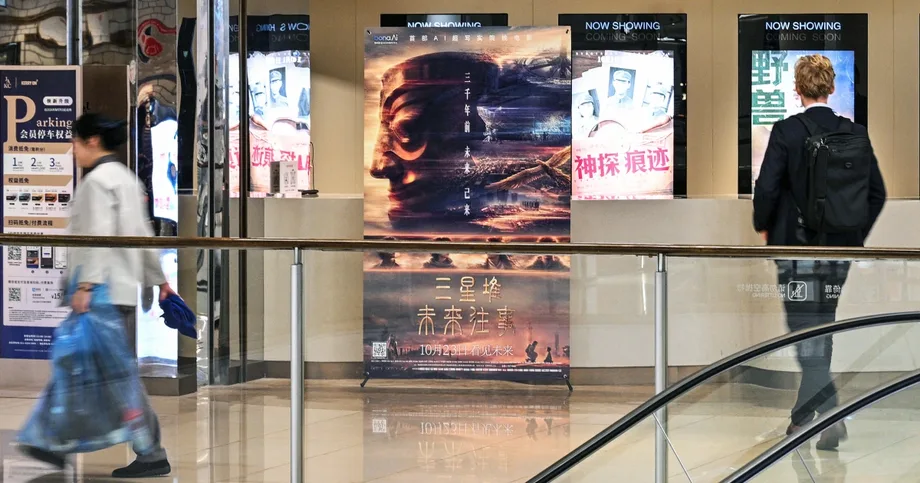
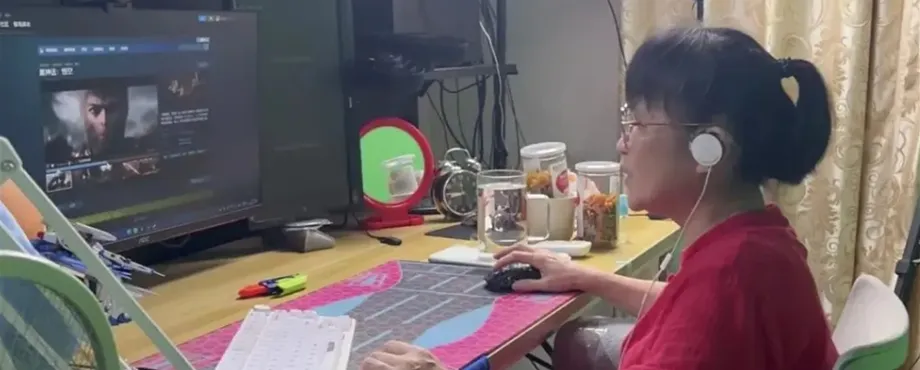
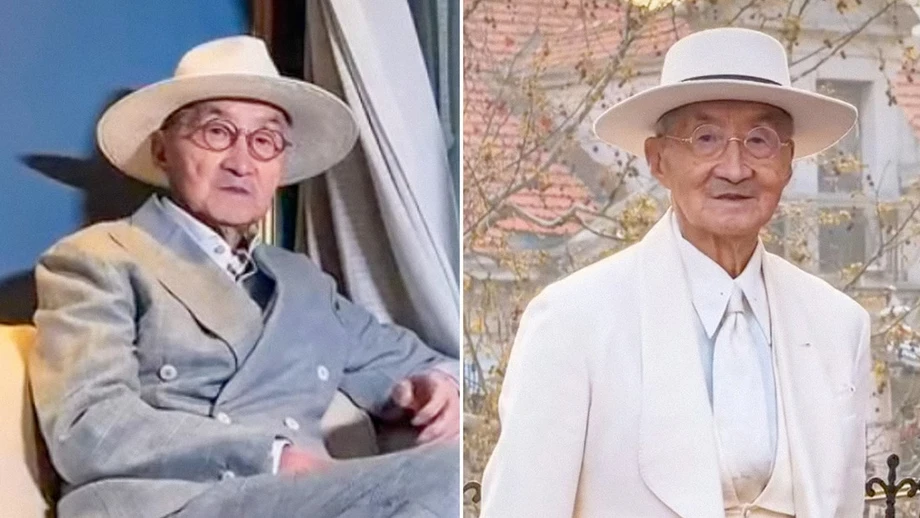
Grandpa Kang had won a large audience through videos showing him in hats, sunglasses and colourful streetwear. After his death was announced on September 9, his grandson began posting AI recreations in October. Some placed the grandfather in imagined family scenes. Others turned him into a prehistoric human or an ancient fish as part of an online trend.
The dispute centres on a personal question with legal consequences: who gets to decide what a person appears to say or do after death? Some viewers saw an affectionate tribute. Others objected to using a familiar face for jokes when the person could no longer approve the performance.
Kang Kang said the videos were intended to share stories the pair had never managed to film. Chinese legal scholars warned that recreating a deceased person without the consent of close relatives could infringe protected rights, even when the videos earn no money.
From university teaching to streetwear fame
Grandpa Kang was a retired university professor who had spent more than 40 years in education. His videos with his grandson offered a different kind of public life, built around fashion, humour and an upbeat attitude that earned him the nickname Dopamine Grandpa.
In an interview during his lifetime, Kang described how making short videos had widened his social world after his teaching career.
I spent more than 40 years in education and enjoyed sharing knowledge, but short-form videos helped me connect with more people and rediscover the joy of life.
In May 2025, Kang disclosed that doctors had found a brain tumour. He shared updates about treatment and encouraged viewers to enjoy beautiful clothes and the world around them while they could. The account later announced that he had died in his sleep one morning in early September. His age was given as 89 in the account of that announcement and as 90 in other descriptions.
What the AI videos showed
Kang Kang resumed posting after a period of inactivity, using AI to put his grandfather into scenes that had never been filmed. In one, Kang appeared beside a baby version of his grandson. In another, he queued for fashionable trainers and asked other older people whether they liked the singer G-Dragon.
The sharpest criticism followed a video built around a trend about past lives. The grandson asked whether he had been Kang's grandson in a previous life. After the recreated grandfather answered no, the video moved backwards through time, placing Kang's face on a prehistoric human from 10,000 years ago and then on an ancient fish from 50 million years ago.
AI recreation can use existing photographs, video or voice recordings to generate a new performance. Unlike replaying an old family recording, it allows a creator to make a recognisable person appear in a new situation or deliver newly written words. In Kang's case, the combination of a loved public figure and absurd comedy made that creative control the focus of the backlash.
Critics argued that the videos put the grandfather into situations he might never have chosen. Supporters said an affectionate recreation could be acceptable if it came from grief rather than an attempt to profit. Their disagreement was about the treatment of the person behind the image, as well as the technology itself.
The response and the removal
Kang Kang addressed the reaction in a statement posted on November 8. The account said it had received both support and objections, and explained that the videos were intended to present memories from the grandfather's lifetime.
We wanted to share interesting behind-the-scenes stories from the time we spent with Grandpa while he was alive, so we posted the videos in this way.
The account also said it would seriously consider whether to continue if the videos caused distress. By November 11, its posts had been cleared and its public identity changed.
The main events unfolded over several months:
- May 2025: Grandpa Kang disclosed a brain tumour and shared treatment updates.
- Early September: Kang died in his sleep, according to the account's subsequent announcement.
- September 9: The account announced his death.
- October: Kang Kang began publishing AI recreations.
- November 8: The account explained its intentions and said it would reconsider further videos.
- November 11: Its posts were cleared, and its avatar and nickname were reset.
What Chinese law protects after death
China's Civil Code provides a legal route for relatives to challenge harm involving a deceased person. Article 994 allows a spouse, children and parents to seek civil liability when the person's name, likeness, reputation, honour, privacy or remains are harmed.
A likeness means the recognisable appearance of a person. For AI videos, that can include a face placed into a scene the person never actually appeared in. The legal issue therefore extends beyond whether an image looks convincing to how it is used and whether that use harms protected interests.
Shi Jiayou, a law professor at Renmin University of China, warned that creating and distributing AI videos of deceased people without the consent of their closest relatives could infringe lawful rights even without a commercial purpose. Zhang Linghan, a professor at the Institute of Data Law at China University of Political Science and Law, likewise said using AI to recreate the dead without close relatives' consent constitutes infringement under the Civil Code.
Article 994 concerns harm to protected interests, so the circumstances of a particular recreation matter. A family's memorial film and a publicly distributed comedy video can involve different uses, audiences and objections. The legal discussion surrounding Kang's videos has centred on those rights; no court decision or details of consent from other close relatives have been disclosed.
Kang Kang's position as a grandson also shows why family involvement and the deceased person's wishes are separate questions. A relative may sincerely want to preserve a connection while other relatives have different views about the same image. Permission within a family and respect for wishes expressed during life both matter to the debate.
Private remembrance is also becoming a service
Other Chinese creators have used similar technology for bereaved families rather than large public audiences. In April, Li Shaodong, a young man in Hunan province, attracted attention for making videos lasting less than 20 seconds for more than 100 families. He said he sought permission from close relatives before creating them.
South Korea offers an example of how scripted memorial videos can become a paid service. A company called Vaice charged 600,000 won for a basic video lasting three to five minutes and served about 300 customers a month, according to its chief executive.
One customer, Lee Geon Hui, commissioned a video of his late grandfather for his father, who had raised Lee alone. Lee wrote a script in which the grandfather apologised for making his son work on the farm and for opposing his decision to become a hairstylist. His father initially refused to watch, then cried when he did.
Lee said the script expressed what he wanted to tell his father. The video therefore carried one living person's message through the face and voice of someone who had died. That detail helps explain both the emotional appeal and the concern: familiar features can give newly written words the weight of a deeply personal relationship.
Kang's videos reached millions of potential viewers, while a family memorial may be watched by only a few people. Public distribution adds another decision for creators and relatives, because strangers can copy, comment on and reinterpret a recreation far beyond its intended setting.
Why familiar voices can bring comfort or distress
The father of late Chinese actor Qiao Renliang said he found an AI video of his son uncomfortable to watch. His reaction illustrates why an image welcomed by fans can be painful for a close relative.
In Japan, broadcaster NHK used AI to recreate singer Hibari Misora's voice for a new song in 2019, three decades after her death. The producer later told a Japanese Society for Artificial Intelligence event that reactions had prompted reflection on the different ways people regard the dead.
These examples share a tension with the Kang controversy. Audiences may feel close to a public figure through years of watching and listening, while family members have their own memories and expectations. A creator's affectionate intention can meet very different responses among those people.
The format also changes the experience. A scripted video has a fixed ending and can be reviewed before anyone watches it. An interactive simulation can keep answering questions, generating more words in a familiar voice. Families considering these tools therefore face choices about what may be created, who may see it and how long contact should continue.
Consent involves the person recreated and the person watching
Cambridge researchers Tomasz Hollanek and Katarzyna Nowaczyk-Basińska have argued for consent from both the person whose data is used and the person who will interact with a simulation. They have also proposed planning how such services should be retired.
That approach connects decisions made before death with the needs of surviving relatives. Someone could specify whether recordings may be used, what kinds of messages are acceptable and whether the result should remain private. A recipient could also choose whether to encounter a recreation at all.
Services that host interactive versions create practical concerns beyond the first viewing. A company can raise prices, change its technology or close. Families may want to retain original recordings separately from generated conversations, or agree in advance on who can end access.
For Kang Kang, removing the posts ended their publication on the account. The larger dispute remains about control over a recognisable person: whose wishes guide the creation, which relatives are consulted and whether the intended audience wants to see it. His grandfather's popularity made those decisions public, but the same choices are already reaching ordinary families.
Key Points
- The Kang Kang and Grandpa account had 5,787,000 followers before controversy over AI videos of the late grandfather.
- The recreations included imagined family scenes, fashion jokes and transformations into prehistoric figures.
- The account explained its intentions on November 8 and cleared its posts by November 11.
- China's Civil Code protects specified interests of deceased people and allows close relatives to seek civil liability for harm.
- Legal scholars warned that a lack of commercial intent does not remove the risk of infringement.
- Similar services in China and South Korea show how AI remembrance is spreading beyond public figures into family life.