A recovery built around two record partnerships
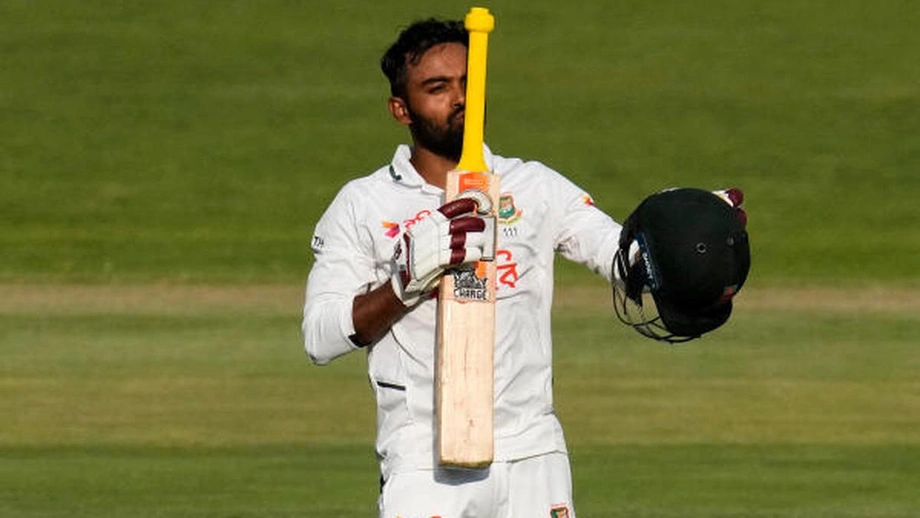
Bangladesh reached their highest Test total against South Africa on Sunday, November 15, recovering from 22 for three and then 121 for five to close on 327 for six at the Wanderers in Johannesburg. Towhid Hridoy scored 137 and shared a partnership of 206 with Litton Das, who finished unbeaten on 92.
Contents
- A recovery built around two record partnerships
- Rabada turns the opening overs into a crisis
- Tanzid and Hridoy provide the first repair
- Two deliveries put Bangladesh in danger again
- How Hridoy and Litton changed the pace
- What the records mean in numbers
- Hridoy carries his form from Sylhet to Johannesburg
- Rabada identifies South Africa's problem with the older ball
- The final ball changes Monday's task
- Key Points
The official match scorecard records Bangladesh's total as 327 for six after 84 overs, with Hridoy making 137 from 227 balls, Litton unbeaten on 92 from 138 and Tanzid Hasan contributing 67 from 108. Rabada's five for 51 came from 17 overs, including three maidens.
The sixth wicket stand was Bangladesh's biggest partnership against South Africa for any wicket. It carried the visitors past their previous highest total against this opposition, 326 in Chattogram in 2015, and their previous best in South Africa, 320 at Potchefstroom in 2017.
Kagiso Rabada took the first five wickets and finished with five for 51. South Africa finally separated Hridoy and Litton with the last ball of the day, when Marco Jansen trapped Hridoy leg before wicket. Bangladesh will resume with four wickets available and Litton eight runs short of his fifth Test century.
The change in the innings was substantial: Bangladesh added 206 after losing their fifth wicket, more than the 121 runs they had scored before it. Hridoy was involved in both major partnerships, first adding 99 with opener Tanzid Hasan and then rebuilding again alongside Litton.
Bangladesh's immediate priority is to keep batting rather than chase a particular number. Tanzid, whose 67 helped absorb Rabada's opening attack, said the surface became easier after lunch. Monday morning brings another test, with South Africa's bowlers returning fresh and the second new ball still only four overs old.
Rabada turns the opening overs into a crisis
Bangladesh captain Najmul Hossain Shanto won the toss and chose to bat on a surface with grass covering. Rabada immediately made that decision uncomfortable, dismissing debutant Mahfizul Islam Robin with the first delivery of the match.
Mahfizul edged to Jansen at gully without scoring. He became the fourth batter in Test history to be dismissed by the first ball of the match on debut, a particularly difficult start to an international career.
Tanzid later explained that the opening pair had discussed who would face first on the previous day. Mahfizul had volunteered to take the opening delivery.
Mominul Haque then edged Rabada behind for another duck, meaning an innings without a run. Shanto made 12 before a delivery moving inward passed between bat and pad and bowled him. Bangladesh were 22 for three in the ninth over, with their captain and two other members of the top order already gone.
Rabada's threat came from more than speed. His deliveries moved enough to challenge the outside edge, while the ball that dismissed Shanto attacked the stumps. Bangladesh needed to find a way to survive both.
Tanzid and Hridoy provide the first repair
Tanzid and Hridoy added 99 for the fourth wicket, taking Bangladesh to lunch on 91 for three and extending their recovery after the interval. Their partnership briefly became Bangladesh's highest for any wicket in South Africa, passing the 84 added by Hannan Sarkar and Habibul Bashar at Potchefstroom in 2002.
Both batters had uncertain moments. A chance from Tanzid was not held at point, while an edge from Hridoy fell short of third slip. They gradually became more comfortable, and Tanzid struck 12 fours in his innings of 67.
Tanzid, Bangladesh's opening batter, explained his approach after play:
I never go out there thinking about scoring a hundred. My focus was on getting through the new-ball spell and contributing something meaningful to the team. It was the same approach today,
His innings followed a breakthrough century in Darwin that helped Bangladesh beat Australia in August. In Johannesburg, his contribution gave Hridoy time to settle and prevented the first three dismissals from turning into an immediate collapse.
Two deliveries put Bangladesh in danger again
Rabada returned after lunch and removed Tanzid and Mushfiqur Rahim with successive deliveries. Tanzid dragged the ball onto his stumps, ending the partnership one run short of a hundred. Mushfiqur then edged his first delivery to Simon Harmer at third slip.
Bangladesh had moved from 121 for three to 121 for five without adding a run. Litton arrived with Rabada seeking a hat trick, three wickets from three consecutive deliveries, and steered the next ball toward point to survive.
Rabada's fifth wicket completed his 18th haul of five wickets in a Test innings. That put him level with Makhaya Ntini in joint third place among South African bowlers, behind Dale Steyn with 26 and Allan Donald with 20. He also became the first bowler to take five wickets in an innings against Bangladesh on five occasions.
South Africa had every reason to expect further wickets. Instead, Rabada remained their only successful bowler until the final delivery of the day. Bangladesh's next partnership changed both the score and the pressure on the fielding side.
How Hridoy and Litton changed the pace
Hridoy and Litton first concentrated on keeping the innings intact, taking Bangladesh to tea on 184 for five. Hridoy was unbeaten on 66 and Litton on 30, with their partnership worth 63.
The pair increasingly punished deliveries that were too short. Litton pulled Jansen, while Hridoy scored through the leg side against Wiaan Mulder. They also rotated the strike, taking singles that prevented South Africa from keeping either batter under sustained pressure.
Litton, speaking in a television interview after play, credited Hridoy's discipline with helping him settle:
He showed he can bat with discipline. The way he batted gave me more confidence,
In the same interview, Litton said the partnership depended on rotating the strike and taking advantage of bad balls. He described the new ball as particularly challenging in South African conditions, while batting became easier against the older ball.
Litton reached his 22nd Test fifty from 71 balls. Hridoy's century took 194 deliveries and more than five hours at the crease. Their different scoring speeds worked together: Hridoy provided the long innings around which the recovery formed, while Litton kept the score moving.
Bangladesh scored 94 runs in the 20 overs before the second new ball became available. That was 4.7 runs per over, a productive passage against an attack waiting for a harder ball to restore its earlier threat.
What the records mean in numbers
The partnership of 206 exceeded Bangladesh's previous best against South Africa, 138 by Jaker Ali and Mehidy Hasan Miraz for the seventh wicket in Mirpur in 2024, by 68 runs. It was also Bangladesh's first partnership of at least 100 in a Test in South Africa.
Tanzid and Hridoy's 99 had held the record on South African soil for only a short time before Hridoy and Litton passed it. Bangladesh therefore improved that record twice in the same innings.
The team's closing total was one run above its previous best against South Africa and seven above its previous best in the country. Four wickets remained available to extend both marks on the second morning.
Hridoy's 137 equalled Mahmudul Hasan Joy's score at Durban in April 2022, the highest individual Test innings by a Bangladesh batter against South Africa. Hridoy became the second Bangladesh player to make a Test century against this opposition.
His innings contained 14 fours and a six. Litton's unbeaten 92 included 12 fours. Together, their partnership accounted for about 63% of Bangladesh's total of 327, showing how heavily the day's recovery depended on their time together.
Hridoy carries his form from Sylhet to Johannesburg
Hridoy was playing only his fourth Test, yet Johannesburg continued a run of substantial scores. In his previous Test against West Indies in Sylhet, he made 242 not out and 82. His 137 therefore gave him three consecutive Test innings above fifty.
His record unbeaten 242 had rescued Bangladesh from 184 for seven and helped them reach 386, earning a first innings lead of 30 against West Indies. In Johannesburg, he again arrived during a collapse and remained through two major partnerships.
Hridoy also reached 500 Test runs in seven innings, faster than any previous Bangladesh batter. His preparation included an unbeaten 350 for Bangladesh A against South Africa A in Potchefstroom in August.
That innings came after Hridoy asked chief selector Habibul Bashar to include him on the Bangladesh A tour. Tanzid said the experience had helped build his teammate's confidence in South African conditions.
The connection between those innings is practical. Hridoy had already spent long periods batting in the country before facing the senior attack. Against West Indies, he had also practised extending an innings with limited support available. At the Wanderers, he combined that patience with more aggressive scoring as the ball aged.
Rabada identifies South Africa's problem with the older ball
South Africa selected four seam bowlers and one specialist spinner, but the wickets were concentrated almost entirely in Rabada's spells. Jansen finished with one for 54, while Dane Paterson and Mulder went without a wicket.
Harmer conceded 83 from 16 overs, a rate of 5.18 runs per over. Bangladesh were able to keep scoring against the spinner rather than allowing South Africa to control one end while rotating their fast bowlers at the other.
Rabada, South Africa's leading bowler on the day, said the pitch behaved differently from the pace attack's expectations:
The pitch wasn't as quick off a fuller length as it normally is,
He explained that Bangladesh left wider deliveries well, drawing the bowlers straighter and creating opportunities to score on both sides of the wicket. Rabada also said South Africa had not built enough pressure together, particularly with the older ball.
At the post-match media conference, Rabada said: "I don't think we bowled in partnerships as well as we would have liked to." He said South Africa had let Bangladesh off the hook by failing to string together enough dot balls or wicket-taking deliveries, especially with the older ball. His assessment was direct: "We need to be more ruthless."
South Africa had recently faced a similar escape by an opponent. Australia recovered from 124 for six at Kingsmead to make 390 and win by 214 runs. Bangladesh's position of 121 for five offered another opportunity to take control, but South Africa again spent much of the remaining day trying to break a growing partnership.
The final ball changes Monday's task
South Africa took the second new ball as soon as it became available after 80 overs. A new ball is harder and generally gives fast bowlers a better chance of movement and bounce, making that stage a fresh examination for batters who have settled against an older one.
Jansen eventually delivered the breakthrough with the final ball of the day. Hridoy tried to play a full delivery toward the leg side, missed and was given out leg before wicket. His review failed, ending the partnership at 206.
Bangladesh's remaining batters are Mehidy Hasan Miraz, Hasan Mahmud, Taskin Ahmed and Ebadot Hossain. Litton will need their support while facing bowlers who have had a night's rest. Play was scheduled to resume at 10am local time, or 08:00 GMT, on Monday, November 16.
Tanzid, explaining Bangladesh's plans for the second morning, set out a simple priority:
The wicket is getting better after the first session, particularly after lunch. I don't think we have a specific target in mind. The longer we can bat, the better it will be for us,
Bangladesh have already secured records, but more runs would give their own bowlers a larger total to defend. South Africa's immediate task is to finish the innings before Litton and the remaining batters extend the recovery further.
Key Points
- Bangladesh closed the opening day of the first Test at the Wanderers on 327 for six, their highest total against South Africa.
- Towhid Hridoy scored 137 and shared a record partnership of 206 with Litton Das, who remained unbeaten on 92.
- Bangladesh recovered from 22 for three and 121 for five. Tanzid Hasan contributed 67 in an earlier partnership of 99 with Hridoy.
- Kagiso Rabada took five for 51, his 18th Test haul of five wickets in an innings.
- Marco Jansen dismissed Hridoy with the final ball, leaving Bangladesh four wickets available for the second morning.
- Play was scheduled to resume on Monday at 10am local time, with Litton eight runs short of a century.