A spare bedroom became a commitment lasting 14 years
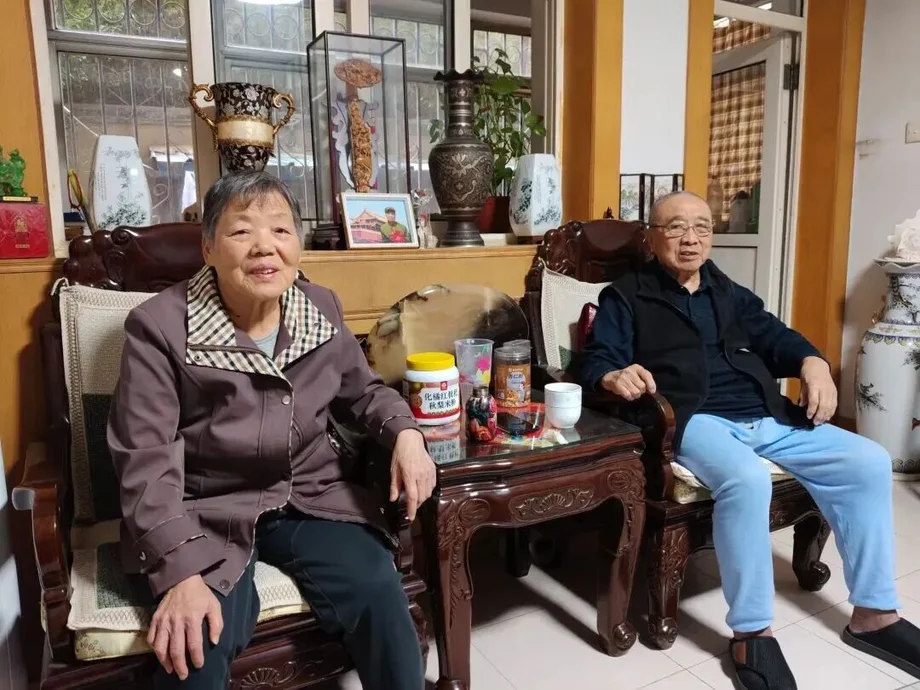
When Zhang Ji invited her former colleague Zhang Hongquan into her home in Jinan, Shandong province, in the summer of 2012, he had rectal cancer, difficulty walking and just over 10,000 yuan in savings. Fourteen years later, she is 76, he is 82, and the arrangement continues: separate bedrooms, separate savings and shared daily expenses.
Contents
- A spare bedroom became a commitment lasting 14 years
- Why she asked him to leave his apartment
- Two operations began years of recovery
- Four years of washing an ankle wound
- Shared expenses, separate ownership
- Friendship under scrutiny
- Her son's illness stretched the household further
- Why she trusted his character
- A household with more help and a different routine
- Key Points
Zhang Ji has never charged him rent. She lent him 36,000 yuan for two operations in 2014 and later advanced another 15,000 yuan toward medical expenses when his son became seriously ill. Her help has also involved years of walking practice, daily wound washing and reminders to take medicine.
Zhang Hongquan, a retired colleague who now prepares breakfast and lunch, described what her decision meant to him:
Without her taking me in, I would have died from illness more than a decade ago.
Zhang Ji describes their relationship as friendship, with no romantic attachment or intention to form a new family. Their life together has included neighbourhood gossip, financial boundaries, difficult arguments and a period when her own son needed months of hospital care.
Why she asked him to leave his apartment
In early spring 2012, Zhang Ji visited Zhang Hongquan after years without seeing him. His wife had died, and his son and daughter were not living nearby. He occupied an apartment of just over 30 square metres on the fifth floor of a building without a lift or central heating.
Zhang Hongquan was thin, his left leg was swollen and darkened, and standing briefly left him breathless. Keeping warm meant tending a coal stove despite his difficulty moving. According to Zhang Ji's recollection, a surgeon had estimated that he might live another two and a half years.
Zhang Ji had also recently lost her spouse. Her larger home was on the ground floor and had heating, making it easier to enter, leave and move around. She offered him a room, but he worried that people would gossip about a widowed man and woman living together.
Zhang Hongquan hesitated for about three months. Zhang Ji visited three to five times to persuade him before he moved in that summer. Their bedrooms faced each other across the home.
Two operations began years of recovery
In spring 2014, Zhang Hongquan underwent two operations. Afterwards, he struggled to stand or sit steadily and needed help with basic daily activities. He felt he had lost his dignity and expressed thoughts of suicide because he believed he was burdening others.
Zhang Ji held his hands while he practised walking, stepping backwards as she guided him forwards. She continued helping him exercise for three years, until he could walk more confidently and go outside again. Recovery meant repeating small movements over a long period rather than reaching a quick turning point.
Zhang Hongquan also had heart disease and high blood pressure. Zhang Ji reminded him to take his medicines on time, accompanied him for medical care and arranged daily acupuncture at a nearby clinic. Rectal cancer affects the final part of the large intestine; his care also had to account for these other illnesses.
Zhang Ji says his condition became stable in 2023. His cancer stage, detailed treatment history and current clinical assessment have not been made public. Her description of his progress centres on changes she could see at home: walking, cooking and smiling more often.
Four years of washing an ankle wound
In 2017, Zhang Hongquan developed a severe ankle wound. Skin had come away, leaving exposed tissue that needed washing every day. For Zhang Ji, this added another repetitive task to his medicines, appointments and help with movement.
Zhang Ji bought a flowerpot to use as a basin. Its drainage hole allowed used water to flow out instead of collecting around his ankle. She used it during daily washing because she wanted to keep dirty water from sitting against the wound.
The care continued for four years. New skin grew over the exposed area in 2021. The long interval between the wound appearing and the skin returning shows how much of her commitment consisted of ordinary tasks performed again and again.
Shared expenses, separate ownership
Zhang Ji kept a clear boundary around money. The two take turns paying ordinary household expenses, with one covering a month and the other covering the next. Their pensions and savings remain in accounts bearing their own names.
Because Zhang Hongquan had difficulty going out, Zhang Ji regularly visited the bank to withdraw their pensions and place money in separate fixed term deposits. These are accounts that hold savings for an agreed period and pay interest. When asked why she did not put everything under her own name, the retired caregiver explained:
That is someone else's money. I cannot take it for myself.
Zhang Ji's financial help nevertheless went beyond sharing a home. Her 36,000 yuan loan for the 2014 operations and the 15,000 yuan she advanced during his son's illness in 2020 totalled 51,000 yuan. Zhang Hongquan's son died that year. She also spent nearly 2,000 yuan buying Zhang Hongquan two sets of clothes.
Zhang Hongquan has since accumulated savings. When his daughter's son married, he gave the couple 50,000 yuan, while Zhang Ji contributed another 10,000 yuan. The wedding gifts came from each person's money, consistent with the financial arrangements they had maintained throughout their years together.
Friendship under scrutiny
Some neighbours mocked Zhang Ji for taking in a man who was ill so soon after her husband's death. A distant relative urged her to charge rent for the years he had occupied her home. She rejected that suggestion.
Zhang Ji, who says the two regard each other much like siblings, gave a direct explanation of their relationship:
Our relationship is purely friendship, unrelated to love. Neither of us intends to form a new family.
Zhang Hongquan's original reluctance to move in had centred on the same gossip. Zhang Ji was more concerned about whether he would survive in his apartment. Separate rooms and separate accounts became lasting features of a household built around help rather than marriage.
Zhang Ji has also described fear about her responsibility: whether she could keep caring for him and how she would explain matters to his family if he died. Her account presents a commitment that brought anxiety as well as satisfaction.
Her son's illness stretched the household further
Living together was sometimes difficult. Zhang Hongquan could be stubborn during disagreements, and a period of strained relations lasted almost two years. Zhang Ji said the pressure left her close to depression. She sometimes went out to relieve her distress, only to face complaints from him about leaving.
In 2019, Zhang Ji's own son was diagnosed with leukaemia, a cancer affecting blood forming tissues, and spent eight months in hospital. She continued caring for Zhang Hongquan while also supporting her son.
Relatives and friends urged her to end the arrangement so she could concentrate on her family. Zhang Hongquan's sister in law also called to say that he should stop burdening her. Zhang Ji refused to ask him to leave.
Her account makes the cost of the arrangement concrete: hospital care for her son, daily support for her former colleague and little relief from the feeling that someone depended on her. The friendship lasted through those pressures, rather than being free of them.
Why she trusted his character
Zhang Ji says her respect for Zhang Hongquan helped sustain her decision. A military veteran and former workplace office director, he had spent his own money travelling to help colleagues recover records of their military service so they could resolve retirement benefit problems.
Those records mattered because they documented service relevant to the colleagues' retirement entitlements. Zhang Ji remembered someone who had used his time and money to help other people obtain what they were owed.
Zhang Ji also had a history of helping beyond her immediate family. She supported an aunt living in the countryside for 32 years. On another occasion, she bought the flour stock of a woman running a flatbread shop who was nearing childbirth, then gave the flour away so the woman could stop working and prepare for delivery.
Zhang Ji links that approach to her father's teaching that promises should be kept. She says the names of all six siblings in her family contain the Chinese character component associated with speech, reflecting that lesson about standing by one's word.
A household with more help and a different routine
Zhang Hongquan now takes the initiative in preparing breakfast and lunch. Zhang Ji dates the stabilisation of his health to 2023, more than a decade after he moved into her home. Cooking gives him a regular way to contribute to their shared daily life.
His daughter travels from eastern Jinan to the western part of the city every Monday to visit, cook and bring supplies. Zhang Ji's son also spends a day with the two each week, talking with them and delivering household necessities.
The major stages of their arrangement stretch across many years:
- Early spring 2012: Zhang Ji visited Zhang Hongquan in his apartment and invited him to move.
- Summer 2012: He moved into her home after about three months of hesitation.
- Spring 2014: Two operations were followed by years of help with walking.
- 2017 to 2021: Daily washing continued until new skin covered his ankle wound.
- 2019: Zhang Ji's son spent eight months in hospital with leukaemia.
- 2023: Zhang Ji says Zhang Hongquan's health became stable.
Zhang Ji measures the outcome in personal terms. For the woman who first offered a spare bedroom, each additional day of Zhang Hongquan's life brings a sense of achievement.
Key Points
- Zhang Ji, 76, has housed and cared for former colleague Zhang Hongquan, 82, for 14 years in Jinan.
- They occupy separate bedrooms, share daily expenses and retain separate savings.
- She helped him through two operations, years of walking practice and four years of ankle wound care.
- She continued caring for him when her own son developed leukaemia in 2019.
- Zhang Hongquan now prepares meals, while his daughter and Zhang Ji's son visit weekly.
- Zhang Ji describes their relationship as friendship, with no plans to marry or form a new family.