A family planting project becomes an international business
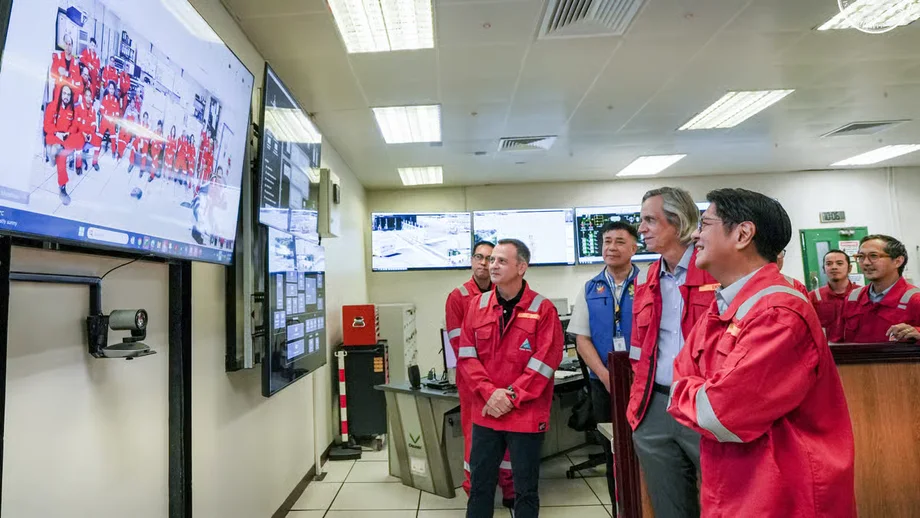
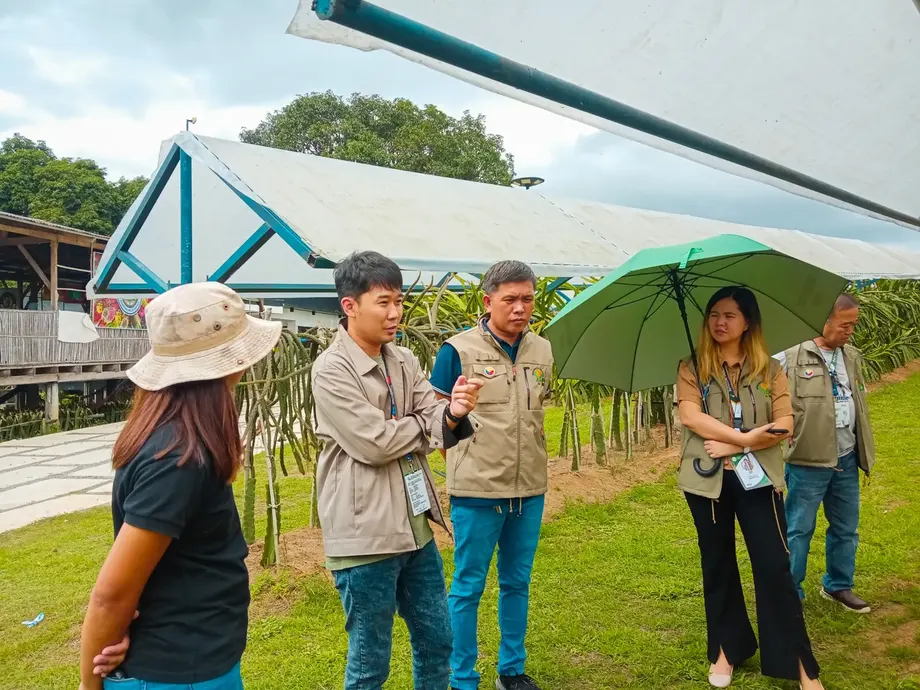
On February 26, 2025, government assessors visited Bulacan Dragon Fruit Depot in Pulong Yantok, Angat, to evaluate its capacity to teach other farmers. Farm manager Jennylyn Punzalan prepared the technical documents, while owner Kevin Eliscupides and agricultural coordinator Clarence Luther Bulanadi joined online.
Contents
- A family planting project becomes an international business
- How the backyard project grew
- Fruit sales and planting materials serve different customers
- A large collection supported by trellises
- Cuttings travel farther than the harvested fruit
- What the government assessed at the farm
- Why the depot appeared on an international workshop itinerary
- Tourism gives visitors another reason to come
- The health story behind the first plants
- Key Points
The visit marked another step in the growth of a business that Eliscupides says began with plants obtained for free and later required about P500,000 in starting capital. Today, the farm occupies roughly three hectares, supplies fruit to retail partners and sells planting materials to customers in the Philippines and abroad.
Eliscupides puts its harvest at one to two tonnes a month. A January 9, 2025, business profile published by FedEx says the depot has shipped planting materials to more than 80 countries, including South Africa, Greece and the United States.
Behind those commercial activities is a personal story. Eliscupides began growing dragon fruit after his mother developed cancer, hoping to find another way to support her health. The plants eventually attracted buyers, turning a family project into a source of income.
The farm now brings together several businesses on the same land: fruit production, plant propagation, international shipments, visitor activities and farmer training. Its development also shows why the details matter. Selling a fruit, preparing a cutting for planting and qualifying to deliver agricultural instruction each require different work, different customers and different measures of success.
How the backyard project grew
Eliscupides recalls starting the backyard planting around 2013 to 2015. As more people wanted the fruit, the family began selling it and expanded into a farm. He now lives in the United States with his family but regularly returns to Bulacan for the business.
The early chronology varies across the accounts. FedEx dates the business to 2012, while Eliscupides places the backyard beginnings around 2013 to 2015; Angat's municipal government says an operation identified as TLM first planted dragon fruit locally in 2016.
The dated milestones trace how the enterprise moved into tourism, international commerce and agricultural education:
- 2012: FedEx's profile places the transition from backyard experiment to business in this year.
- 2013 to 2015: Eliscupides recalls the beginning of the backyard planting during this period.
- 2016: Angat's municipal account dates TLM's first dragon fruit planting to this year.
- 2018: The municipal government identifies the farm as a distinctive agricultural tourism site for Singkaban 2018.
- January 9, 2025: FedEx publishes its profile describing exports to more than 80 countries.
- February 26, 2025: Agricultural Training Institute assessors conduct the Learning Site for Agriculture field validation.
- October 28 to 30, 2025: The DFNet workshop program schedules the depot among its Philippine field destinations.
The common thread is a gradual widening of the business. A planting project for the family became a fruit supplier, then a source of plants and practical knowledge for other growers.
Fruit sales and planting materials serve different customers
Dragon fruit, also called pitahaya, grows on a climbing cactus. At the depot, selling the harvested fruit is one income stream. Selling parts of the plant to people who want to establish their own crops is another.
Punzalan says customers wait about three to four months for planting materials. Staff begin rooting the cuttings after receiving an order and supply plants that already have roots and branches. A cutting is a piece of stem used to grow a new plant, rather than a seed.
That preparation period matters for anyone planning a farm. The customer is buying a living plant that needs time to develop before delivery, so orders must be placed well before the intended planting date.
Eliscupides says the farm sends its monthly harvest of one to two tonnes to retail partners. He identifies April to May and October to November as harvest periods. Those figures describe the scale of fruit moving through the business, while the cutting sales reach people who may later become producers themselves.
The business has attracted interest from retirees and overseas Filipino workers. For these prospective growers, the depot's model offers more than a crop to sell: it provides a place to obtain plants and learn how an operating farm manages them. Sales prices, operating costs and net profit have not been disclosed.
A large collection supported by trellises
Eliscupides describes a collection of about 200 dragon fruit varieties, including Australian Golden Yellow, Orange Grenade, Hana, Orange Skin White Flesh and Desert King. FedEx puts the collection at more than 200, while the municipal tourism page advertises picking from more than 150 varieties and the DFNet itinerary lists 100.
The range is central to the farm's identity. Different varieties give customers choices beyond the familiar appearance of dragon fruit, and provide planting material for growers seeking particular fruit characteristics. FedEx's profile describes hybrid varieties with flavors resembling coconut, lychee and strawberry.
A cultivar is a cultivated variety selected for particular traits. A hybrid results from crossing plants with different parentage. Those terms help explain why a specialist nursery may maintain many named plants rather than grow a single crop type throughout its land.
The farm also uses trellises, structures that support the climbing cactus stems. In its January business profile, FedEx describes the system as allowing the roughly three hectares to operate at five times that size. This is the company's description of how efficiently the land is used.
Eliscupides, the depot's owner, described the approach in that profile:
We've turned the smallest backyards into productive dragon fruit farms,
Supporting the stems allows growers to organize plants within a limited area. For a business selling both fruit and planting materials, how the plants occupy the land is an important part of its production system.
Cuttings travel farther than the harvested fruit
The depot's international business centers on planting materials. FedEx says those materials have reached more than 80 countries, extending the farm's customer base far beyond the retail partners receiving its harvested fruit.
Shipping a living cutting requires coordination between preparation at the farm, transport and customs procedures. The aim is to get the plant to its buyer in a condition suitable for growing, so the delivery process becomes part of the product's value.
Eliscupides described FedEx's role in collecting the materials and managing their journey:
They pick up the materials from our farm and handle all complex logistics needs from delivery to customs clearance. Within a week, the products are in our customers' hands in mint condition.
The delivery time is Eliscupides's account of the service. FedEx's profile also says the business is expanding capacity to serve domestic and international customers. For the depot, exports create demand for its collection of plants as well as for the practical work involved in propagating and preparing them.
What the government assessed at the farm
The Agricultural Training Institute's Central Luzon office gives the clearest official account of the farm's February 2025 assessment. Its field validation notice says the visit examined the applicants' capabilities and resources against the requirements for delivering agricultural extension services under the Learning Site for Agriculture program.
Extension services bring farming knowledge to growers through instruction, demonstrations and practical assistance. A learning site therefore needs the ability to explain and demonstrate its methods, alongside the ability to produce a crop.
The regional technical working group included Marciano Santos, Kent Edward Ballesteros, Glydel Canta, Krizzelle Galang, Rodolfo Padua Jr. and Charls Inieto. Punzalan's preparation of technical documents formed part of the assessment, while the owner and agricultural coordinator participated remotely.
Eliscupides describes the depot as a certified Learning Site for Agriculture and claims it is the first and only farm of its kind with that recognition. ATI's February notice records the validation stage; the certification date and the scope of that exclusivity claim are unspecified.
Training already forms part of the business's public role. FedEx describes free seminars and farmer instruction, alongside collaborations with Central Luzon State University and the University of the Philippines Los Baños.
Why the depot appeared on an international workshop itinerary
The Food and Fertilizer Technology Center listed Bulacan Dragon Fruit Depot as a field destination in its DFNet workshop program for October 28 to 30, 2025. The itinerary described the Angat site as showcasing 100 dragon fruit varieties.
The program was hosted by the Department of Science and Technology's Philippine Council for Agriculture, Aquatic and Natural Resources Research and Development, together with the University of the Philippines Los Baños. It planned to bring together 26 Tropical Fruit Consortium members from 10 countries.
Two days were allocated to field visits and one to technical discussions, with destinations across Bataan, Bulacan, Cavite and Laguna. The depot appeared alongside farms growing pineapple, coconut, mango, calamansi, strawberries, papaya and mixed fruit crops.
The workshop focused on how tropical fruit growers can respond to changing temperatures, water scarcity, pests and diseases. Its proposed responses included selecting suitable cultivars and improving soil and water management. In that setting, the depot's collection offered a practical subject for discussion about crop diversity and farm management.
Tourism gives visitors another reason to come
Angat's municipal government presents the depot as a visitor destination as well as a working farm. Its farm tourism listing identifies the site with Singkaban 2018 and describes fruit picking, fishing and kayaking in a pond within the property.
The municipal page says the farm attracted foreign visitors and places it about one to one and a half hours from Makati's central business district, Quezon City and other parts of Metro Manila. Actual journey times depend on the starting point and traffic.
Fruit picking gives visitors a direct encounter with the crop, while the pond activities broaden the appeal for companions whose main interest is a day out. The collection of varieties also makes the visit different from buying a single type of fruit at a market.
The health story behind the first plants
Eliscupides's mother's cancer diagnosis explains why the family first became interested in dragon fruit. The fruit contains dietary fiber, vitamin C and antioxidant compounds. Fiber supports digestion, while vitamin C helps the body carry out functions including tissue repair.
Cancer treatment requires medical care guided by qualified clinicians. Dragon fruit can be eaten as part of a varied diet, with food choices during illness discussed with the patient's care team.
The crop's uses have also expanded beyond fresh fruit. Dragon fruit goes into shakes, salads and syrup, and can be used in bread. These uses give growers and sellers several ways to reach customers with different tastes.
The depot's development joins that consumer appeal to a broader operation: a collection of plants, a nursery business, retail fruit supply, international deliveries, tourism and agricultural instruction. Each activity gives the original backyard project another route to customers.
Key Points
- Bulacan Dragon Fruit Depot operates on roughly three hectares in Pulong Yantok, Angat, Bulacan.
- Owner Kevin Eliscupides says the farm harvests one to two tonnes of fruit a month for retail partners.
- Customers wait about three to four months for rooted planting materials, according to farm manager Jennylyn Punzalan.
- FedEx says the depot has shipped planting materials to more than 80 countries.
- ATI Central Luzon conducted its Learning Site for Agriculture field validation on February 26, 2025.
- The farm combines fruit production and plant sales with training and tourism activities.
- The DFNet program listed the depot among field destinations for its October 28 to 30, 2025, workshop.