Contracts, advertising and hidden debts are the focus
Kazakhstan's National Bank is considering three changes to instalment purchases outside the banking system: clearer disclosure of contract terms and penalties, rules against misleading advertising, and possible reporting of payment obligations to credit bureaus. Deputy Governor Vitaliy Tutushkin says the aim is to protect buyers while keeping instalments available.
Contents
- Contracts, advertising and hidden debts are the focus
- Which payment plans are under review?
- Why the missing debt records matter
- Three priorities, with broader options still being discussed
- What the World Bank found about consumer borrowing
- How large is Kazakhstan's instalment market?
- The price question behind interest free offers
- Cars and property bring larger commitments
- What happens next, and what buyers can check now
- Key Points
The proposals follow a discussion document published in September 2026 and a public consultation with a November 3 deadline. The National Bank says it will continue considering submissions after that date. Retailers, online marketplaces, professional associations, researchers and consumers have already submitted their views.
The central concern is debt that other lenders cannot see. Most instalment transactions offered by nonfinancial companies are missing from credit histories, according to the National Bank. A customer can therefore owe money to several sellers while a bank assessing a new loan sees only part of the monthly payments that customer must make.
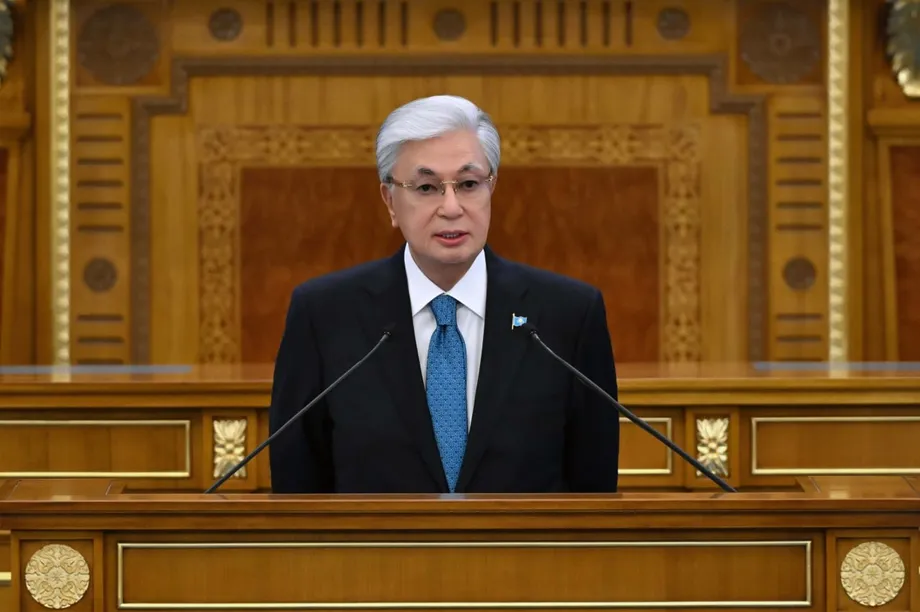
Tutushkin, the National Bank's deputy governor, described the purpose of the proposed changes:
The main task is to increase market transparency and establish minimum requirements for consumer protection. The proposed measures primarily concern disclosure of contractual terms, rather than regulation of prices or volumes of instalment purchases.
The bank says it wants to account for the interests of buyers, merchants and service providers so that changes avoid making goods more expensive or less accessible. Its review reaches beyond everyday shopping to instalments for cars, property and arrangements in which a customer rents an asset before buying it.
Which payment plans are under review?
BNPL stands for "buy now, pay later". A customer receives a product or service immediately and pays for it in several parts, usually four equal payments. Tutushkin describes it as a form of borrowing over a short period, generally used for purchases of small or moderate value.
Traditional instalment purchasing is a broader category. It allows payment over an agreed period without an explicitly stated interest charge. The September discussion document described a typical BNPL period as four months to one year and invited views on whether repayment periods should be limited.
The National Bank is concentrating on formal agreements offered by nonfinancial organisations, with payment schedules, fixed deadlines and penalties for late payment. Tutushkin distinguished those contracts from an informal agreement with a neighbourhood shop to pay later.
Banks and microfinance organisations already operate under standard financial regulation. The review addresses similar payment products offered through BNPL providers, sellers directly and other companies outside that framework. The central bank says most transactions in this latter group fall outside the existing requirements protecting consumers of financial services.
Why the missing debt records matter
A credit bureau collects information about borrowing and repayment. Banks use that information to help assess whether a person can manage another loan. When instalment obligations are absent, the record gives an incomplete picture of how much money that person must set aside each month.
A buyer may be paying a bank loan alongside instalments at several shops. Each payment can look manageable on its own, while their combined cost leaves too little for rent, food and other essentials. The National Bank says the missing information makes the full burden harder for both consumers and lenders to assess.
Tutushkin says the same gap makes it difficult to measure the size of the market and spot a dangerous accumulation of obligations. Gathering feedback is therefore serving two purposes: helping design rules and helping the regulator estimate a segment whose size remains uncertain.
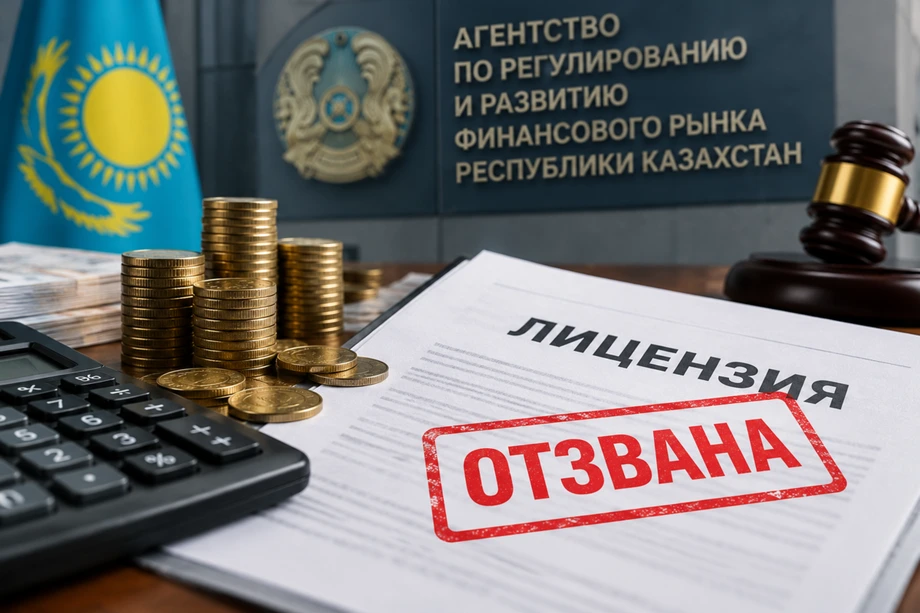
The National Bank and the Agency for Regulation and Development of the Financial Market are considering whether BNPL information should be sent to credit bureaus. If adopted, such reporting could affect assessments of eligibility for new loans because lenders would have a fuller record of existing commitments.
Another issue concerns debt relief. Nonbank instalment and BNPL debts currently fall outside the categories eligible for cancellation through the procedure for personal bankruptcy without going to court. For someone in financial difficulty, the type of company providing the instalment can therefore matter when seeking relief.
Three priorities, with broader options still being discussed
Contract disclosure is the first priority identified by Tutushkin. Providers could be required to explain all material terms, including the amounts of fines and other penalties for missed payments, before a customer signs.
Advertising is the second. The National Bank wants promotional messages to give buyers an accurate understanding of the commitment they are accepting. A small payment displayed prominently on a screen can attract attention while the total cost and consequences of missing a deadline receive much less attention.
Credit bureau reporting is the third priority. Together, the three measures address different stages of a purchase: what attracts the customer, what the customer agrees to, and how the resulting debt becomes visible to other lenders.
The wider consultation has also raised affordability checks, disclosure of the full transaction cost and possible limits on fines and late payment penalties. Those questions extend beyond Tutushkin's three immediate priorities. The discussion document also sought feedback on the duration of instalment agreements.
The specific rules, organisations covered and timetable for preparing changes will be determined after coordination between government bodies and other required procedures. No implementation date has been announced.
What the World Bank found about consumer borrowing
The World Bank Group's consumer lending technical note provides a broader assessment of the risks behind the debate. Prepared in connection with a joint IMF and World Bank Financial Sector Assessment Program mission in July and August 2023, it says consumer lending by banks and nonbank financial institutions more than doubled between 2019 and 2023.
The note found insufficient requirements for assessing whether borrowers could afford repayments without hardship. It also identified aggressive credit marketing, fast digital approval processes and gaps in the information consumers receive before agreeing to borrow.
The World Bank said BNPL had quickly become popular in Kazakhstan. Some products carried no direct initial cost but could impose substantial interest and fees after a missed payment. Some also allowed changes in pricing over time.
The document recommended a short, standardised statement of essential credit information before a sale, designed to remain understandable on mobile devices. It also called for digital interfaces that display key information at the right stages, safeguards for unsolicited credit offers, and requirements to consider the needs of the consumers for whom products are designed.
The World Bank's affordability recommendation goes to a basic household concern: whether repayments leave enough money to live on. Its findings connect the National Bank's disclosure agenda with the practical question of whether a customer can sustain the payments after the purchase is completed.
How large is Kazakhstan's instalment market?
Kazakh lenders held BNPL portfolios worth KZT2.3 trillion in September 2024, up 17% from the start of that year, according to figures from the Agency for Regulation and Development of the Financial Market. Those figures describe the lending side of a payment method that has expanded alongside online shopping.
Digital marketplace sales were recorded at KZT1.77 trillion after growth of 60%, with Kaspi.kz accounting for more than 75% of the marketplace sector. Some merchants said their sales fell by as much as 30% when instalment financing was unavailable, illustrating why access matters to sellers as well as shoppers.
The National Payments Corporation of Kazakhstan's Fintech Report 2024 suggested, using anecdotal evidence, that BNPL might account for about half of consumer loans. The report also recorded annual consumer lending growth of 34% to 42% in 2022 and 2023.
During the instalment consultation, financial regulator figures put consumer credit at more than KZT17 trillion and the share associated with instalment borrowing at 19%. The 19% figure and the corporation's estimate of about half came from different measures and evidence bases. Establishing a consistent picture of the market is part of the current review.
The National Bank's particular challenge is measuring obligations outside regulated financial institutions. Information from merchants, providers and consumers is intended to help fill that gap before authorities decide how widely new requirements should apply.
The price question behind interest free offers
Economist Beknur Kisykov advises consumers to compare the price paid immediately with the total paid through instalments. In his example, a product priced at KZT100,000 ends up costing KZT120,000 over two years. The additional KZT20,000 is 20% of the original price, even if advertising describes the arrangement as interest free.
Economist Alexander Yurin has argued for buyers to receive the actual cost of instalment financing at the time of purchase. He says costs built into some arrangements can raise a product's final price to 1.5 times its initial price or more.
Madina Abylkasymova, head of the financial market regulator, has raised concerns about arrangements that keep cash prices at the same level as financed prices. When financing charges are incorporated into a common retail price, customers paying immediately may also bear part of that cost.
Banking expert Galim Khusainov has likewise called for disclosure of interest costs embedded in instalment prices. He argues that buyers with enough money to pay immediately would benefit from a clear choice between a cash discount and financing at a stated cost.
Prime Minister Oljas Bektenov had called on banks and commercial companies to disclose instalment costs and loan overpayments by October 2025. The AFC Analytical Centre expected clearer rules to shift attention towards the price of the goods themselves. That earlier debate helps explain why contract disclosure remains central to the current proposals, even as Tutushkin says the present priorities concern transparency rather than price controls.
Cars and property bring larger commitments
Cars and real estate receive particular attention in the National Bank's review because the financial commitments can be much larger than those attached to everyday purchases. Tutushkin singled out these transactions when discussing the risks of instalments from nonfinancial organisations.
The consultation covers payments directly to property developers and arrangements under which a person rents a car with the option to buy it later. It also covers other contracts whose economic effect resembles credit, even when the agreement is presented as a way to pay for goods.
A clear payment schedule matters especially when an agreement stretches household finances over a longer period. Buyers need to understand the total amount due, the consequences of late or missed payments, and the terms governing completion of the purchase.
The National Bank is seeking accounts of practical problems from consumers, rights advocates and businesses. Tutushkin says such experiences can identify gaps in legislation, areas without common standards and problems that regulators have not yet considered.
What happens next, and what buyers can check now
The consultation forms part of a longer debate about household borrowing and the visibility of instalment obligations. The main developments are:
- July and August 2023: the joint IMF and World Bank assessment mission examined Kazakhstan's financial sector, including consumer protection and lending.
- September 2024: lenders' BNPL portfolios reached KZT2.3 trillion, according to financial regulator figures.
- October 24, 2025: expectations about clearer instalment pricing were discussed following Bektenov's call for disclosure.
- September 2026: the National Bank published its discussion document and opened an eight week consultation.
- November 3, 2026: the formal deadline for comments passed, with the bank continuing to accept later submissions.
The National Bank plans to publish a consolidated account after reviewing submissions. Comments can be sent to [email protected]. It wants further input from consumer protection specialists, rights advocates, instalment providers, professional associations and trading companies.
Buyers can act before any new rules arrive. Tutushkin recommends checking the total amount payable, all fines and penalties, and the consequences of late payment or nonpayment. Consumers should also add together the monthly payments on every existing loan and instalment agreement, then assess whether their budget can carry the total.
Keeping a copy of the contract and payment schedule gives a customer a record of the agreed amounts and deadlines. Comparing the immediate purchase price with the instalment total also helps reveal the cost of spreading payments over time.
Tutushkin summed up the intended balance between access and protection:
Instalments should remain an accessible payment method, while being understandable and safe for the consumer.
Key Points
- Kazakhstan's National Bank says it does not plan to restrict access to instalment purchases.
- The main proposals concern contract disclosure, advertising and possible reporting to credit bureaus.
- The review focuses on formal instalment agreements offered outside banks and microfinance organisations.
- Cars, property and rental agreements with an option to buy are also under discussion.
- The World Bank has recommended stronger affordability checks and clearer information before consumers borrow.
- The November 3, 2026 consultation deadline has passed, but further comments are welcome at [email protected].
- Final rules, the organisations covered and an implementation timetable have yet to be determined.