National Fund to finance construction across every region
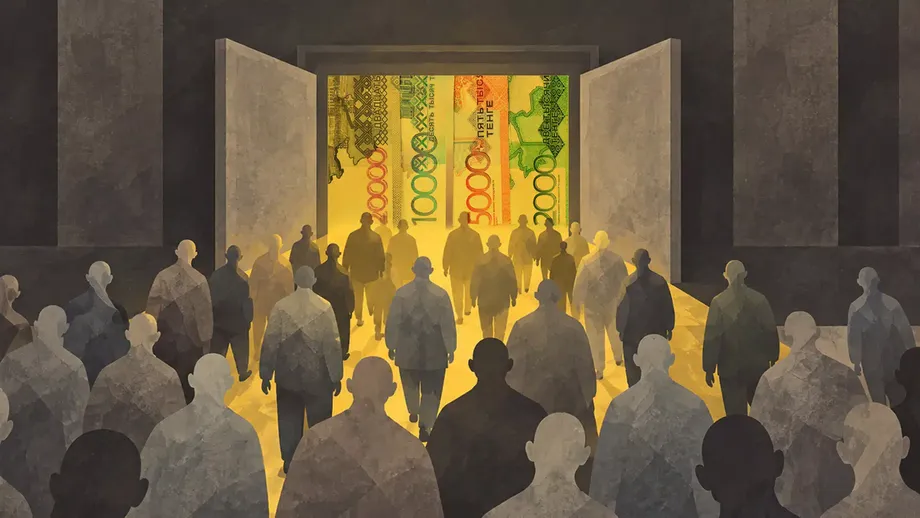
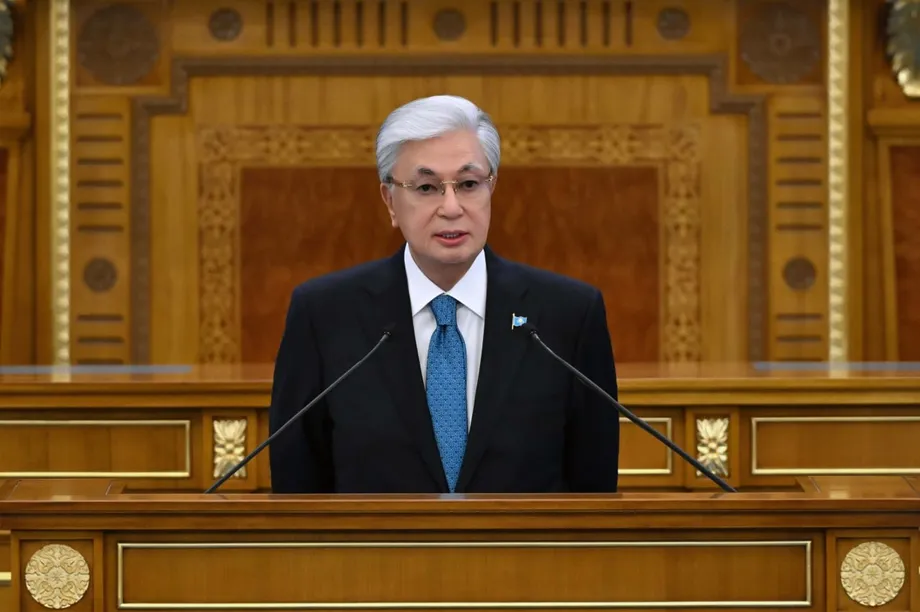
Kazakhstan plans to allocate about 6.5 trillion tenge, approximately $14.3 billion, from its National Fund by the end of 2029 to build and renovate infrastructure across the country. President Kassym-Jomart Tokayev announced the commitment in his October 28, 2026, address, alongside an instruction to earmark 1.5 trillion tenge for social projects launched in the remaining months of 2026 and the first two months of 2027.
Contents
- National Fund to finance construction across every region
- How the money is expected to work
- Earlier withdrawal plans show the spending timetable
- Hospitals, schools and utilities lead the social priorities
- Jobs and wages bring an immediate household dimension
- Transport projects seek more value from passing freight
- Electricity shortages complicate the building drive
- Nuclear construction has a longer timetable
- The next deadlines run from 2026 to 2035
- Key Points
The initiative, called People's Construction, brings together roads, railways, public facilities, housing and utility networks. Tokayev instructed the government to develop an Infrastructure Modernization Plan and prepare an initial list of specific projects covering every region by the end of 2026.
Tokayev described the initiative as potentially the largest infrastructure project in Kazakhstan's history. He also proposed declaring 2027 the Year of Large-scale Construction, with work reaching regional centers, districts and smaller settlements.
The announcement links three ambitions: improving everyday services, helping businesses produce and transport goods, and increasing electricity supplies. Those goals share a deadline of 2029, when the president also wants Kazakhstan to achieve a sustained electricity surplus.
Residents could see changes ranging from a new gas connection or reliable drinking water to access to a hospital, rehabilitation center or library. For businesses, the priorities include better freight routes and more dependable power. The first practical step is a regional assessment of which facilities are needed and where, followed by the nationwide project list.
How the money is expected to work
The National Fund holds wealth accumulated largely from oil revenues. It serves as a financial cushion when commodity earnings weaken and as savings for future generations. Drawing on it for construction turns part of those savings into physical assets, such as hospitals, roads and water networks, that the government expects to deliver benefits over many years.
Tokayev said Kazakhstan's gold and foreign exchange reserves, together with National Fund assets, had exceeded $130 billion. That figure combines two pools of resources. The announced 6.5 trillion tenge infrastructure allocation would come from the National Fund.
The president said public money should help bring private investors into the program rather than cover its entire cost. Explaining the intended role of government financing, Tokayev said:
"The logic behind the decisions being made is simple: state funds must become a guarantee for attracting private investment," President Tokayev said.
The initial 1.5 trillion tenge for social projects amounts to about 23% of the announced 6.5 trillion tenge total. That places a substantial share of the proposed funding at the beginning of the construction drive, before the broader program runs through 2029.
Earlier withdrawal plans show the spending timetable
National Bank Chairman Timur Suleimenov had already described a larger draw on the fund at an August 25 government meeting. He said planned withdrawals for 2027 through 2029 had been increased by 5 trillion tenge, with the money intended for social, utility, energy and transport infrastructure.
The targeted transfers were planned at 2 trillion tenge in 2027, followed by 1.5 trillion tenge in each of 2028 and 2029. Those three amounts total 5 trillion tenge. Together with the 1.5 trillion tenge announced for the opening phase of social projects, they equal the headline construction commitment, although the government has yet to publish a detailed reconciliation of the schedules and allocations.
The National Bank urged the government to limit the inflationary effect of the additional spending. Large construction programs increase demand for workers, machinery and materials. When supplies cannot grow quickly enough, prices can rise, making projects more expensive and reducing what the allocated money can buy.
Hospitals, schools and utilities lead the social priorities
The construction program envisages around 70 healthcare facilities and approximately 50 facilities for education, sport and culture. Tokayev also called for rehabilitation centers for children with special needs, alongside creative development centers, libraries and scientific centers in every region.
Government agencies must assess each region's needs before settling the project list. That exercise will determine how the national targets translate into individual buildings and services in particular communities. Housing construction is another priority, alongside extending gas supplies and clean drinking water to communities that lack adequate access.
The broader construction agenda includes bridges, engineering networks, water management structures, industrial sites and energy facilities. Tokayev linked modern infrastructure to the opening of dozens of new production facilities and the development of a digital economy.
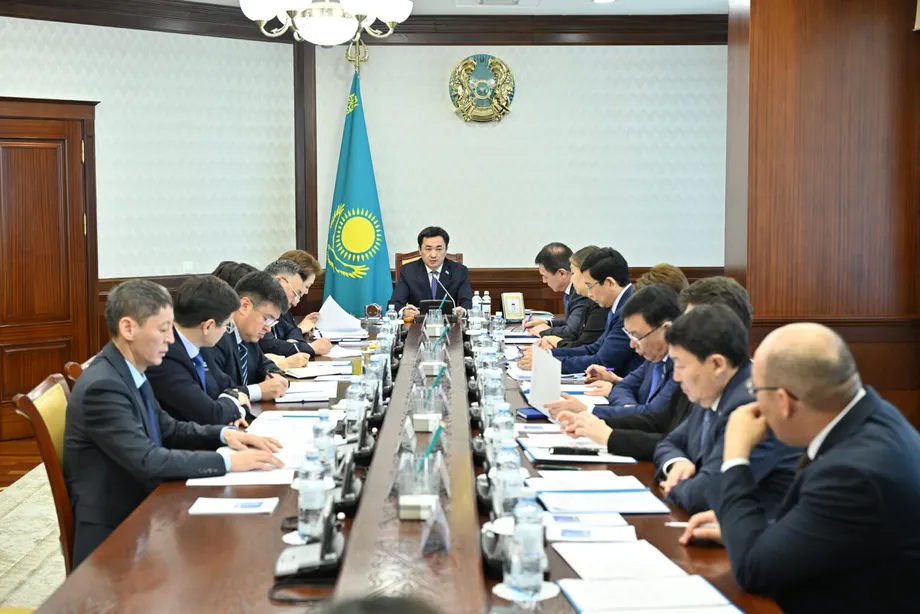
Vice President Erlan Karin, discussing implementation with presidential administration officials and government agencies, said the People's Construction name reflected the intended users of the facilities: the population today and future generations. He identified three immediate tasks for agencies: preparing strategic documents on time, arranging the legislation needed for the initiatives, and explaining the measures to the public.
Jobs and wages bring an immediate household dimension
Tokayev said the building drive could provide employment for hundreds of thousands of people and support entrepreneurship. The program's employment promise extends across construction and the businesses supplying it, while the new facilities are intended to support economic activity after building work ends.
The president described the expected beneficiaries in his address:
"I am deeply convinced that this initiative will provide jobs for hundreds of thousands of people, and our entire nation, especially the younger generation, will benefit from it," Tokayev said.
Household incomes were also addressed through a separate instruction to raise the minimum monthly wage from 85,000 to 110,000 tenge on January 1, 2027. The increase of 25,000 tenge is about 29%. Tokayev said it would affect approximately 1.8 million people, including more than 370,000 workers whose pay comes from public budgets.
The wage measure and construction spending would begin close together. Their practical value for families will depend partly on prices, which explains the National Bank's concern about managing the inflationary pressure from additional government expenditure.
Transport projects seek more value from passing freight
Kazakhstan's transport ambitions go beyond moving goods across its territory. Tokayev called for domestic logistics operators, cargo collection and distribution centers, and manufacturing and commercial facilities around major transport hubs. The aim is to earn more from organizing and handling freight, as well as carrying it.
Tokayev said around 85% of freight transported from China to Europe already passes through Kazakhstan. He instructed the government to reconstruct all road border crossing points in 2027, criticized unresolved road quality problems and called for the transport sector to replace paper procedures with digital systems.
The 272 kilometer Bakhty-Ayagoz railway in eastern Kazakhstan is scheduled to open in 2027. Construction began in December 2023, and the project includes a new crossing with China at Bakhty-Tacheng. Expected annual rail freight capacity between the two countries would rise from about 28 million to 48 million metric tons, an increase of 20 million tons, or roughly 71%.
The Aral-Caspian Highway would connect Beineu in western Kazakhstan with Saksaulsk near the Aral Sea over approximately 800 kilometers. Construction began in August 2026. Official projections put the potential reduction in the China to Europe overland route at about 1,000 kilometers and three days of delivery time, depending on the route freight operators use.
Airports and railway stations are also included in the construction priorities. Tokayev argued that Kazakhstan had yet to make full commercial use of its position beneath major air corridors connecting Europe and Asia.
Electricity shortages complicate the building drive
Kazakhstan's national grid operator, KEGOC, recorded electricity generation of 123.1 billion kilowatt hours in 2025 against consumption of 124.6 billion. Net imports covered the gap of about 1.5 billion kilowatt hours, equivalent to roughly 1.2% of consumption.
A kilowatt hour measures electricity used or generated over time. The annual figures show a national shortfall, while the president's criticism focused particularly on winter peaks, when demand is high and Kazakhstan buys expensive electricity from neighboring countries. He said electricity was then sold back in summer at much lower prices.
Tokayev set a target for a sustained surplus by 2029 and instructed the government to update its unified energy balance through 2035. That balance is a planning exercise matching expected electricity demand with generation and supply.
The president criticized delays involving generating facilities in Turkistan, Kyzylorda, Almaty and Ekibastuz, as well as the previously halted Balkhash thermal power plant. He called for new generating capacity, modernization of existing facilities, further coal generation and renewable energy, particularly solar power.
New factories, construction activity and data centers would all add demand. Electricity investment therefore has to support both the economy's existing needs and the extra consumption created by the development program.
Nuclear construction has a longer timetable
Tokayev said construction of the Balkhash nuclear power plant could begin in 2027 and called for an agreement to accelerate preparations for the Moyinkum nuclear power plant. Russia's state nuclear corporation Rosatom is leading the Balkhash project, while China National Nuclear Corporation has been selected as the main contractor for the second plant.
The first Balkhash reactor is expected to begin operating in 2034, five years after the electricity surplus target. Kazakhstan will therefore need other generation projects and upgrades to meet its 2029 goal.
Tokayev also proposed serious consideration of a state strategic uranium reserve. Such a reserve would set aside material for future nuclear fuel needs. He suggested it could support the country's planned nuclear plants over the next century and said negotiations on nuclear cooperation must be carefully prepared around Kazakhstan's national interests.
Kazakhstan is the world's largest producer of natural uranium, while its planned reactors will require foreign technology and trained personnel. Russian and Chinese companies have proposed manufacturing facilities and training for Kazakh nuclear specialists, adding an industrial and workforce component to the energy plans.
The next deadlines run from 2026 to 2035
Tokayev presented the spending drive against forecasts of a larger economy. Citing the International Monetary Fund, he said Kazakhstan's GDP would approach $400 billion in 2026, with output per person exceeding $19,000. He said the economy would rank 47th worldwide and manufacturing already accounted for more than 14% of GDP.
GDP measures the value of goods and services produced in a year. GDP per person divides that total by the population; household earnings depend on wages, employment and other sources of income. The construction program is intended to translate some of the country's financial capacity into services and productive assets across its regions.
The main milestones are:
- By the end of 2026: prepare an initial nationwide list of specific construction projects.
- Through February 2027: launch social projects supported by the initial 1.5 trillion tenge allocation.
- January 1, 2027: raise the minimum monthly wage to 110,000 tenge.
- During 2027: reconstruct road border crossing points and open the Bakhty-Ayagoz railway, with possible commencement of Balkhash nuclear construction.
- By the end of 2029: allocate about 6.5 trillion tenge from the National Fund for infrastructure and achieve a sustained electricity surplus.
- Through 2035: plan energy supply and demand under an updated national energy balance.
The immediate delivery tasks are concrete: identify regional needs, select projects, arrange financing and legislation, and coordinate construction with electricity and transport capacity. The government's project list will give communities the first detailed picture of how the nationwide commitment reaches their own towns and settlements.
Key Points
- Kazakhstan plans about 6.5 trillion tenge in National Fund financing for infrastructure through 2029.
- An initial 1.5 trillion tenge is intended for social projects launched in late 2026 and the first two months of 2027.
- People's Construction covers public facilities, housing, utilities, transport and other infrastructure across every region.
- Planned facilities include around 70 healthcare buildings and approximately 50 education, sports and cultural facilities.
- The government must prepare an initial nationwide project list by the end of 2026.
- Kazakhstan aims for an electricity surplus by 2029, while the first Balkhash nuclear reactor is expected in 2034.
- The National Bank has urged the government to limit inflationary pressure from additional National Fund spending.