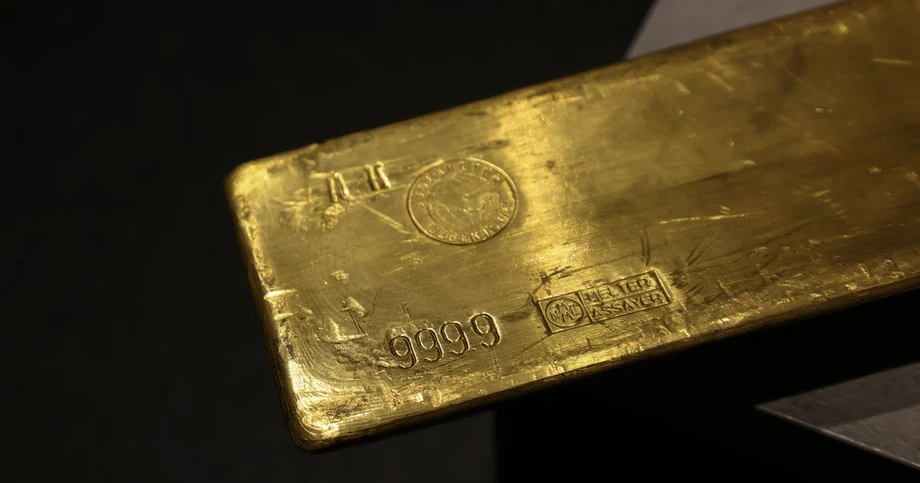
A new home for official gold reserves
Singapore launched a gold custody service on November 10, 2026, giving foreign central banks and other official institutions access to its national currency vault, which can hold up to 500 tonnes. The opening comes alongside plans to remove goods and services tax (GST) from selected wholesale precious metals services from April 2027.
Contents
- A new home for official gold reserves
- Who can use the national vault?
- Why central banks want more storage choices
- What the GST changes would cover
- Six banks prepare the clearing system
- Gold futures add another piece
- The timetable through 2027
- Asia's demand gives both hubs room to grow
- What changes for Singapore's financial sector?
- Key Points
The Monetary Authority of Singapore (MAS) said the vault's capacity could expand as demand grows. The service forms part of a wider effort to connect secure storage with trading, clearing and financial products, allowing institutions to hold and manage gold through a more complete market in Singapore.
The next steps have specific targets. Preparations for an over-the-counter gold clearing system are expected to finish by the end of 2026, with live trading and market operations starting in the first quarter of 2027. Singapore Exchange (SGX) is targeting the second quarter of 2027 for futures contracts that allow delivery of physical gold kilobars.
Gan Kim Yong, Singapore's deputy prime minister and MAS chairman, said the country wanted to give central banks another place to store reserves. He presented the initiative as an extension of Singapore's role as a financial centre rather than an attempt to displace established gold hubs.
Who can use the national vault?
Foreign central banks, sovereign entities and international financial institutions are the intended customers. The eligibility described by MAS includes multilateral organisations established by governments or central banks. Sovereign entities are organisations acting on behalf of a state, while multilateral institutions involve more than one country.
MAS will also offer gold custody accounts to selected bullion banks based in Singapore. Those banks must have experience in gold services and in providing trading liquidity, helping official institutions find buyers and sellers when they want to transact.
Custody means safeguarding assets on an owner's behalf. MAS's service will hold designated physical gold for eligible institutions, while participating banks can provide related market services. This connects the place where the metal is kept with the businesses that help its owners manage and trade it.
Singapore already has commercial gold vaulting capacity exceeding 2,000 tonnes, serving bullion banks, institutional investors and wealthy individuals. The national currency vault's 500-tonne capacity is less than a quarter of that commercial total. Its particular role is to add an official storage option alongside the existing private facilities.
Why central banks want more storage choices
Gan said growing international uncertainty was increasing interest in gold as investors and central banks sought greater resilience and more varied reserves. For a central bank, diversification can involve both the assets it owns and the locations where those assets are held.
A DBS white paper published on November 10 found that one in four central bank respondents were actively evaluating Asian hubs as possible locations for official gold storage. About half of the asset managers and banks surveyed said gold infrastructure backed by governments had increased their institutions' interest in Asian hubs.
Gan, explaining Singapore's intended place among existing storage centres, said:
Singapore does not aim to replace other gold centres and gold vaulting services.
He added:
We are an additional option that is offered to the central banks.
Foreign central banks have expressed interest in storing gold in Singapore, Gan said, but he declined to identify them because the approaches were confidential. The institutions involved and the amount of gold they might place in the vault were not disclosed.
What the GST changes would cover
MAS and the Ministry of Finance plan to extend GST relief to specified wholesale services related to investment precious metals. The framework is expected to take effect in April 2027, with further details due in Budget 2027.
Services covered by the announcement include vaulting, refining, recasting, assaying and broking between eligible institutional participants. Refining removes impurities from metal. Recasting changes its physical form, such as turning gold into bars of a particular size. Assaying checks purity, while broking brings buyers and sellers together.
Gan, describing the reason for the tax change, said:
This will better reflect the fact that the gold is predominantly traded among institutional participants and is not for domestic consumption.
The proposed relief addresses services used as investment metal moves through the wholesale market. A gold bar can require storage, purity checks and reshaping before or between transactions, so the tax treatment of those activities affects the cost of doing business in Singapore.
Investment precious metals is a technical category involving requirements for purity and form. Eligibility conditions and the detailed operation of the expanded framework will be set out through the forthcoming budget process.
Six banks prepare the clearing system
SGX and six clearing banks signed a memorandum of understanding in June to develop Singapore's over-the-counter gold clearing system. The banks are DBS, Deutsche Bank, ICBC Standard Bank, JPMorgan, OCBC and UOB.
Over-the-counter trading means buyers and sellers arrange transactions directly rather than placing every trade through an exchange. Clearing organises the obligations created by those transactions, including what each participant must pay or deliver. Settlement is the completion of the agreed exchange.
MAS said industry testing of the system had been completed and its rulebook was nearing finalisation. Preparations are expected to finish by the end of 2026, followed by live trading and market operations in January to March 2027.
MAS expects trading liquidity to build throughout 2027. Liquidity describes how readily participants can buy or sell an asset. More active buyers and sellers can make it easier to complete a large trade without moving the price sharply.
The clearing arrangements matter because secure storage is only one part of an institutional gold market. Participants also need predictable procedures for completing deals and managing the obligations that arise when they trade.
Gold futures add another piece
SGX's physically deliverable Gold Kilobar Futures are targeted for launch in the second quarter of 2027. A kilobar is a gold bar weighing one kilogram. A futures contract sets terms today for a transaction at a later date, and physical delivery allows settlement through the transfer of metal under the contract's rules.
Businesses can use futures to manage exposure to changing gold prices. A participant expecting to buy or sell gold later can use a futures position to reduce uncertainty about the price it will face.
MAS said the combined initiatives would support price discovery and risk management during Asian trading hours. Price discovery is the process through which actual buying and selling helps establish a price that market participants can use as a reference.
Singapore is also pursuing gold related capital market products and adjustments to restrictions on physical investment precious metals under fund tax incentive schemes. Together with the vault and clearing arrangements, these measures seek to bring more of the activities surrounding gold ownership into the same financial centre.
The timetable through 2027
Singapore's programme is moving in stages. The vault service is now open, while the clearing system, expanded tax relief and futures contracts have separate preparation and launch schedules.
- June 2026: Singapore announced the gold vaulting initiative, and SGX signed a clearing system memorandum with six banks.
- July 2026: Hong Kong began trial operation of its gold clearing system.
- October 2026: Singapore and Hong Kong presented their gold market plans at a major bullion market conference.
- November 10, 2026: MAS launched the gold vaulting service and announced the expanded GST framework with the Ministry of Finance.
- By the end of 2026: Preparations for Singapore's over-the-counter clearing system are expected to finish.
- First quarter of 2027: Live trading and market operations are expected to begin.
- Budget 2027: Further details of the GST framework are due.
- April 2027: The expanded GST framework is expected to take effect.
- Second quarter of 2027: SGX targets the launch of physically deliverable Gold Kilobar Futures.
The schedule places the expected start of clearing operations before the proposed tax changes and futures launch. MAS anticipates that liquidity will develop across the year as the different parts of the market become operational.
Asia's demand gives both hubs room to grow
The DBS white paper put global gold demand in 2025 at more than 5,000 tonnes, worth a record US$555 billion, citing World Gold Council figures. Asia accounted for more than half of physical bar and coin investment demand and more than half of jewellery demand.
Those figures help explain the focus on infrastructure that works during Asian trading hours. A region with substantial physical demand also needs ways to store metal, complete transactions and manage price changes when its banks and businesses are active.
Hong Kong is pursuing a larger role in bullion storage and international gold trading, including efforts to attract central bank reserves. Its clearing trial began in July 2026, following the timetable set out in its earlier clearing plans. Singapore has now moved from its own planning stage to an operating official vault service and a timetable for live clearing.
Gan, responding to a question about competition with Hong Kong, described the opportunity in these terms:
The market is growing. It's not a zero-sum game.
His argument is that rising demand can support activity in more than one centre. Singapore's strategy is to connect its financial institutions, custody services and developing trading infrastructure with established global gold markets.
What changes for Singapore's financial sector?
MAS expects the programme to attract activities in gold trading, risk management, custody and professional services. For banks, the new custody accounts and clearing arrangements create opportunities to serve official institutions from Singapore. Refiners, brokers and other service providers could gain business as more metal is stored and traded locally.
Gan said linking secure storage with trading and settlement would allow gold to be held, managed and traded in Singapore. He described the intended employment and financial sector benefits:
It will create good jobs and capabilities while adding depth and resilience to our financial sector, strengthening Singapore's role as a trusted connector between Asia and global gold markets.
The practical test during 2027 will be whether institutions use the new infrastructure regularly. MAS's timetable anticipates a gradual increase in activity, with storage available first and additional trading, tax and risk management arrangements following.
Key Points
- MAS launched its official gold vaulting service on November 10, 2026, with capacity for up to 500 tonnes and room to expand.
- The service targets foreign central banks and other eligible official institutions, alongside custody accounts for selected bullion banks.
- GST relief for specified wholesale precious metals services is expected from April 2027, with details due in Budget 2027.
- SGX and six banks are preparing for live gold clearing operations in the first quarter of 2027.
- Physically deliverable Gold Kilobar Futures are targeted for the second quarter of 2027.
- Singapore aims to offer another storage and trading location as Asian gold infrastructure grows.