Lower deposits to help bring essential foods into Bangladesh
Bangladesh Bank has ordered banks to keep upfront cash deposits at the lowest possible level for imports of 10 essential food categories ahead of Ramadan, with the measure taking effect on November 8, 2026, and continuing until March 15, 2027.
Contents
- Lower deposits to help bring essential foods into Bangladesh
- How a smaller cash margin helps importers
- Which foods receive priority?
- A seasonal facility returns after an earlier deadline
- Chickpea prices show the pressure on household budgets
- Other market prices moved in different directions
- What changes for banks, businesses and shoppers?
- Key Points
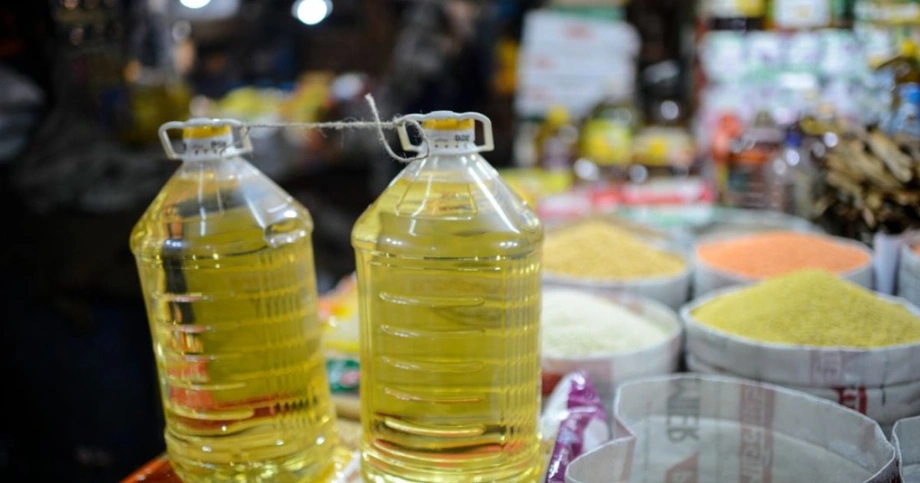
The circular, sent to managing directors and chief executive officers of all scheduled banks, covers rice, wheat and flour, onions, lentils, edible oils, sugar, chickpeas, peas, spices and dates. Soybean oil and palm oil are grouped together under edible oils.
The central bank has also advised banks to give the highest priority to opening letters of credit for these products. Its stated aim is to make imports easier, maintain adequate and uninterrupted supplies, and keep prices within ordinary consumers' purchasing power during the fasting month.
The amount an importer must deposit will depend on the relationship between the bank and its customer. Bangladesh Bank has instructed lenders to keep that amount at a minimum, without announcing a single percentage that every importer will receive.
For households, the intended benefit is straightforward: more food reaching markets before seasonal demand rises. For importers, the immediate change is financial. They should need to tie up less cash at the bank before arranging purchases from abroad.
How a smaller cash margin helps importers
A letter of credit, usually called an LC, is a bank's promise to pay an overseas supplier once the required documents and conditions are met. It gives the seller reassurance when trading with a buyer in another country.
The cash margin is the share of the LC's value that the importer deposits upfront. At a 100 percent margin, an importer must put down cash equal to the full value of the LC. A lower percentage leaves more of the importer's money available for other business costs.
Bangladesh Bank's new instruction therefore changes how much cash businesses need at the start of an import transaction. The importer still has to pay for the goods under the agreed arrangement, while the bank remains involved in assessing and processing the transaction.
Less money tied up in a deposit can give a business more room to arrange shipments or cover transport, storage and distribution. If importers can bring in more goods in time, the additional supply can help ease pressure on prices.
The reference to the bank and customer relationship means the practical terms will be settled through individual banks. An importer with an established banking relationship may receive terms based on that bank's assessment of the customer. The circular gives a direction to minimise the deposit, while leaving the exact rate to that process.
Which foods receive priority?
The list combines everyday staples with foods that attract particular demand during Ramadan. Rice and flour are basic household purchases, while chickpeas, dates, lentils, sugar and cooking oil feature prominently in meals eaten before and after the daily fast.
- Rice.
- Wheat, including flour.
- Onions.
- Lentils.
- Edible oils, including soybean and palm oil.
- Sugar.
- Chickpeas.
- Peas.
- Spices.
- Dates.
Ramadan changes both what households buy and when they buy it. Iftar, the meal that ends the daily fast, and sehri, the meal before fasting begins, create concentrated demand for several of these products. Large communal iftar arrangements add to purchases.
Families also tend to buy larger quantities near the start of Ramadan. That can put extra pressure on markets even before food is consumed, because many shoppers are trying to stock their kitchens at the same time.
The central bank's advice to prioritise these LCs addresses the timing of supply as well as the cost of arranging it. Businesses need to complete their banking arrangements before suppliers can ship goods and those goods can reach domestic markets.
A seasonal facility returns after an earlier deadline
The November 2026 circular follows earlier changes to import deposit requirements. Bangladesh Bank referred to a September 2024 instruction requiring a 100 percent cash margin for certain imported goods, followed by a relaxation introduced ahead of the previous Ramadan.
The sequence shows that the latest measure is a renewed seasonal facility. The previous period of minimum margins ended on March 31, 2026. The new circular runs through March 15, 2027.
- September 5, 2024: Bangladesh Bank instructed banks to maintain a 100 percent cash margin for imports of certain commodities.
- November 11, 2025: The central bank directed banks to keep margins at the minimum level for specified essential food imports, based on the bank and customer relationship.
- March 31, 2026: That earlier minimum margin facility expired.
- November 8, 2026: The latest circular took immediate effect for the 10 essential food categories.
- March 15, 2027: The current facility is scheduled to end.
The earlier requirement matters because a full cash deposit can place a heavy demand on a trading business's funds. Bangladesh Bank is again using lower upfront requirements to help businesses prepare supplies for a period when food purchases rise.
Chickpea prices show the pressure on household budgets
A Dhaka market snapshot taken nearly three months before Ramadan recorded chickpeas selling for Tk110 to Tk115 per kilogram, up from about Tk100 a week earlier. That represents an increase of roughly 10 to 15 percent, using the earlier Tk100 price as the starting point.
Miraj, owner of Miraj Store in Lalbagh, said his wholesale buying price had risen from Tk92 to Tk95 per kilogram to Tk102 to Tk105. His account places part of the increase at the stage where retailers purchase their stock.
Mainul Islam, a private sector employee shopping in Lalbagh, described his frustration at seeing prices climb well before the fasting month.
"Ramadan is still several months away, yet chickpea prices have already increased. Every year, traders raise the prices of essential commodities ahead of Ramadan, leaving ordinary consumers to bear the burden," he said.
Chickpeas are among the foods covered by the new banking facility. Their price movement explains why the timing of imports matters to shoppers: a household preparing to buy several kilograms faces a larger bill when the price rises by Tk10 to Tk15 for each kilogram.
The date of the market snapshot was not specified. It provides a picture of seasonal price pressure, while the November 8 circular sets out the banking response for the coming Ramadan.
Other market prices moved in different directions
Newly imported potatoes from India became cheaper as supplies increased. Prices fell from as much as Tk250 per kilogram to Tk130 to Tk140, a decline of Tk110 to Tk120 from that earlier high. Locally grown potatoes were selling for Tk25 to Tk30 per kilogram.
Onions, which are included in the LC facility, sold for Tk45 to Tk50 per kilogram, compared with Tk50 to Tk60 the previous week. Ginger fell by Tk10 to Tk130 per kilogram, while garlic remained at Tk150 to Tk180.
Winter vegetables also brought some relief. Beans sold for Tk50 to Tk60 per kilogram, and cauliflower and cabbage cost Tk30 to Tk40 each, depending on size. Tomatoes remained at Tk100 per kilogram and carrots at Tk120.
Tarek, a vegetable seller at New Market, linked lower prices for several vegetables to the increase in supply.
"Prices of several vegetables have fallen due to higher supplies. If supplies increase further in the coming days, prices may decline more," he said.
Fish, poultry and meat showed less relief. Rui sold for Tk280 to Tk380 per kilogram, broiler chicken for Tk170 to Tk190, and four farm eggs cost Tk50. Beef was Tk800 to Tk850 per kilogram and mutton Tk1,200 to Tk1,250.
What changes for banks, businesses and shoppers?
Banks now have two instructions to act on: keep cash margins for the listed imports at a minimum based on their customer relationships, and give those import LCs the highest priority. Importers receive a chance to arrange purchases with less cash committed upfront.
Households will experience the policy through the availability and price of food rather than through the banking process itself. A lower deposit requirement works at the beginning of the supply chain. Goods must then be purchased, shipped, cleared and distributed before shoppers can buy them.
The market figures show why the result will vary by product. Chickpeas became more expensive while onions, imported potatoes and several vegetables became cheaper. Each market has its own balance between the quantities arriving and the quantities people want to buy.
Bangladesh Bank's measure targets one specific pressure on that chain: the cash needed to arrange imports. Its scheduled end date, March 15, 2027, gives banks and traders a defined period in which to use the facility as they prepare Ramadan supplies.
Key Points
- Bangladesh Bank issued the circular on November 8, 2026, with immediate effect until March 15, 2027.
- Banks must keep cash margins at a minimum for imports of 10 essential food categories, based on their relationships with customers.
- The central bank also advised banks to give these import LCs the highest priority.
- The covered foods include rice, flour, onions, lentils, edible oils, sugar, chickpeas, peas, spices and dates.
- A similar facility introduced in November 2025 expired on March 31, 2026.
- A Dhaka market snapshot recorded chickpeas rising to Tk110 to Tk115 per kilogram, while increased supplies helped lower prices of imported potatoes and several vegetables.