Five litres of oil, but a higher bill
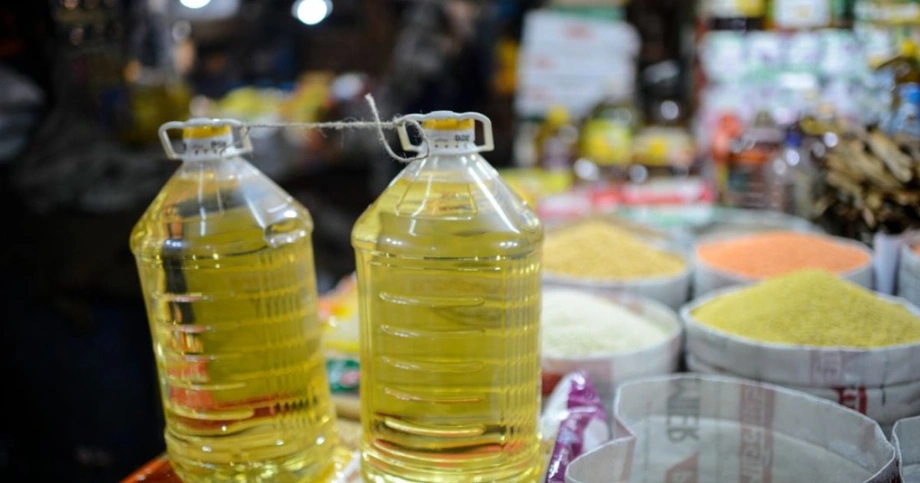
Five litres of bottled soybean oil carry a printed price of Tk 1,000, yet shoppers in parts of Dhaka are paying Tk 1,005 to Tk 1,020 as supplies remain uneven ahead of Ramadan. Producers are seeking another Tk 14 per litre, while Commerce Minister Khandakar Abdul Muktadir has said the government does not plan to increase edible oil prices before the fasting month.
Contents
Shops in Badda, Rampura, Malibagh and Shantinagar have been selling some bottles above their marked price. Retailers describe limited deliveries of five litre bottles, with bottles containing one or two litres making up most of their supplies. For families trying to buy a cheaper larger pack, the shortage means either searching more shops or paying more.
The dispute follows a Tk 5 increase on September 2 that brought the price of bottled soybean oil to Tk 204 per litre. The Bangladesh Vegetable Oil Refiners and Vanaspati Manufacturers Association subsequently requested another increase, citing higher international raw material prices and transport costs.
Bangladesh depends on imports for roughly 90 percent of its edible oil needs, according to the Bangladesh Trade and Tariff Commission. That leaves household food bills closely connected to overseas prices, shipping schedules and the cost of buying goods in foreign currency. The immediate problem, however, is also about how oil moves from importers and refineries to neighbourhood shops.
Why the larger bottle matters
A five litre bottle marked at Tk 1,000 costs Tk 200 per litre. Buying five individual litres at Tk 204 costs Tk 1,020. The larger bottle therefore offers a Tk 20 saving, a small but useful reduction for households managing several rising food bills.
Consumers say some shops charge Tk 204 for each litre even when selling the larger bottle. That brings the bill to Tk 1,020 and removes the entire saving printed into the larger pack's price.
Retailers say their own earnings have also shrunk. Some put their margin on each five litre bottle at Tk 5, down from Tk 20 to Tk 25. They cite reduced dealer allowances alongside shortages. At the lower margin, a shop must sell four or five bottles to earn what it previously made from one.
Households experience the problem through both price and availability. A bottle may have a government approved or printed price, but that price offers little relief when the product is missing from nearby shops. Buying smaller bottles can keep a kitchen supplied while increasing the cost of the same total quantity.
Producers want Tk 218 per litre
The refiners' association asked the Trade and Tariff Commission to recommend a Tk 14 increase, with the commission receiving its letter on October 13. Approval would take the price of a one litre bottle from Tk 204 to Tk 218, an increase of about 6.9 percent.
Company marketing officials say production costs exceed Tk 230 per litre, compared with the Tk 204 selling price. On their figures, the requested increase would still leave the retail price more than Tk 12 below the claimed production cost. Those cost figures are the companies' estimates; the ministry has not announced a decision accepting them or approving the requested increase.
Traders say they accepted September's Tk 5 increase on the understanding that another adjustment would follow. Companies sought an increase again in late October. On October 28, Muktadir said the government did not plan to raise edible oil prices before Ramadan, citing relief for consumers.
The latest pricing dispute has developed through several steps:
- September 2: Bottled soybean oil rose by Tk 5 to Tk 204 per litre following a Trade and Tariff Commission recommendation.
- October 13: The commission received the association's request for a further Tk 14 increase.
- Late October: Companies renewed their push for higher prices.
- October 28: The commerce minister said the government did not plan an increase before Ramadan.
At a separate Monday meeting on Ramadan imports, supply chains and market conditions, Muktadir also heard the proposal for higher oil prices. The ministry had not decided on that request.
Who is restricting supply?
Abdul Bayes, a market economist and former vice chancellor of Jahangirnagar University, has urged the government to protect consumers' rights and resist pressure from oil traders. Market specialists have raised concern that companies may be limiting supply to strengthen their demand for higher prices.
Similar allegations emerged during the shortage before Ramadan in February 2025. SM Najer Hossain, vice president of the Consumers Association of Bangladesh, accused suppliers of controlling deliveries to pressure the government. He described what he saw as a recurring pattern:
We have seen the same pattern before. Ahead of raising prices, they pull oil from the market. This also happened before last year's Ramadan. They selectively distribute oil among a few distributors to make it seem like they are supplying, but they don't disclose the actual quantity. This allows them to control the supply chain,
The industry association gave a different explanation in a statement on February 16. It said members were supplying more oil than usual for Ramadan and attributed distribution problems to stockpiling by traders. It named City Group, Meghna Group, TK Group and Bangladesh Edible Oil Limited among producers that had imported more oil than required.
Responsibility for the latest shortages has not been determined publicly. The competing explanations place attention on different parts of the same chain: imports, refinery output, dealer stocks and deliveries to individual stores.
What happened before Ramadan in 2025?
On February 7, 2025, shops in Moghbazar, Karwan Bazar, Kallyanpur and Shahjadpur had limited bottled soybean oil. Some large stores had only a few bottles, while smaller retailers said deliveries had fallen sharply or stopped.
That shortage followed the disappearance of bottled oil in November 2024 and a Tk 8 increase on December 9. The December adjustment set bottled soybean oil at Tk 175 per litre and loose soybean and super palm oil at Tk 157 per litre. Ministry officials and industry leaders subsequently agreed that prices would be reviewed monthly.
Traders then sought another Tk 15 per litre and met Business Adviser Sheikh Bashir Uddin on January 23, 2025. The proposal went to the Trade and Tariff Commission. By February, shoppers were again struggling to find bottles despite the earlier increase.
Prices within that earlier episode also varied. On February 7, five litre bottles were selling for Tk 840 to Tk 850; later February market checks cited a fixed price of Tk 852. These prices belong to the earlier shortage, when the one litre price was Tk 175, rather than the latest Tk 204 pricing dispute.
Some retailers also alleged that suppliers required them to buy rice, turmeric or chilli powder to obtain oil. Mohammad Jasim Uddin, a salesman at Anwar Traders in Karwan Bazar, said the requirement was reaching shoppers:
As a result, some shops are also forcing oil customers to buy extra products,
A household facing that condition needs enough money for both the oil and the unwanted goods. The extra spending can matter as much as an increase in the oil's listed price.
More imports, yet empty shelves
Trade and Tariff Commission figures from early 2025 show why national import totals and local shop supplies need to be examined together. Bangladesh imported 117,000 tonnes of soybean oil in January, the highest January volume in six years, against ordinary monthly demand of about 87,000 tonnes. Ramadan demand rises above that usual level.
Another 300,000 tonnes of soybeans arrived in January, capable of yielding about 45,000 tonnes of oil after processing. Imported beans require crushing and further preparation before their oil can reach consumers.
February deliveries were uneven. Only 25,000 tonnes of soybean oil arrived in the first three weeks. By February 26, imports had reached 57,000 tonnes, bringing the January and February total to 174,000 tonnes. The comparable total a year earlier was 120,000 tonnes, meaning imports had increased by 54,000 tonnes, or 45 percent.
Mustafa Haider, a director of TK Group, attributed delayed shipments to problems at Argentine ports. He said tankers scheduled for early February began arriving in the final week of the month and that oil was being unloaded and marketed. Another 130,000 tonnes was expected to arrive.
Retail deliveries remained tight during the shortage. Faridul Haque, a retailer in Chattogram's Bahaddarhat market, said his shop received two cartons against an order for 20, just one tenth of the quantity requested. Higher imports could therefore coincide with shortages in shops while cargoes arrived late or oil awaited processing and distribution.
Loose oil became more expensive too
Trading Corporation of Bangladesh figures from the late February shortage showed loose soybean oil rising by Tk 15 to Tk 17 per litre in a month, reaching Tk 185 to Tk 190. That was Tk 28 to Tk 33 above its fixed price of Tk 157.
Loose oil was consequently selling above the Tk 175 price set for a one litre bottle. Consumers unable to find bottled oil faced a more expensive alternative, even before any additional charges on bottles still available in shops.
The commission puts annual edible oil demand at 2.4 million tonnes in the latest account, with roughly 90 percent supplied through imports; figures cited during the February 2025 shortage put demand at 2.2 million tonnes and local output at 250,000 tonnes. Both estimates show that domestic production supplies only a small share of the market.
Using the 2.4 million tonne demand estimate and output of 250,000 tonnes, local production covers about 10.4 percent of annual needs. Changes in import costs or shipment timing therefore affect most of the oil Bangladesh consumes.
Ramadan preparations extend beyond oil
Date importers raised a related affordability concern at the minister's Monday meeting. They put the tax burden on imported dates at around 55 percent and also cited high customs valuations, freight costs from alternative shipping routes and difficulties opening letters of credit.
A letter of credit is a bank's promise to pay an overseas seller once agreed conditions are met. Importers who struggle to obtain one can have difficulty arranging purchases even when goods are available abroad.
Importers asked for duties that reflect the quality and actual market value of different dates. Muktadir said Bangladesh imports different grades from nearly a dozen countries, including Egypt, Saudi Arabia, Iraq and Algeria, making a uniform customs assessment impractical. The Commerce Ministry said it would consult the National Board of Revenue on possible tax relief.
Edible oil has already received tax concessions. During the earlier shortage, VAT was reduced in two steps from 15 percent to 5 percent beginning in October 2024. Lower taxes reduce one part of the import bill, while shipping, currency costs and distribution continue to shape what shoppers pay.
The Commerce Ministry says the Directorate of National Consumers' Rights Protection is conducting daily inspections to prevent hoarding and market disruption. It has urged consumers to report irregularities, including overcharging, through the directorate's hotline. For shoppers, the immediate priorities remain finding oil on the shelf and being charged the price printed on the bottle.
Key Points
- Some Dhaka shops are charging Tk 1,005 to Tk 1,020 for five litre soybean oil bottles marked at Tk 1,000.
- Producers want a Tk 14 increase, which would take the one litre price from Tk 204 to Tk 218.
- The commerce minister has said the government does not plan to raise edible oil prices before Ramadan.
- The February 2025 shortage persisted despite higher imports, with delayed shipments and limited retail deliveries.
- Bangladesh relies on imports for roughly 90 percent of its edible oil needs.
- Consumer protection officials say daily inspections are continuing, while date importers have separately requested tax relief.