A chart hit meets an unsettled royalty system
South Korea's music industry is confronting a copyright dispute that now reaches from the top of the charts to neighborhood cafes. On October 26, 2026, the music project Meomureu reached No. 2 on Melon's TOP100 with a song made using Suno. Two months earlier, the Korea Music Copyright Association had withdrawn rules intended to decide which human contributions to music made with AI could enter its royalty management system.
Contents
- A chart hit meets an unsettled royalty system
- Music production becomes almost instant
- What the association withdrew
- What happens to submissions and memberships?
- How the dispute developed
- The training dispute starts before a song is made
- Listeners are warming to AI music
- Cafes seek cheaper background music
- Can tracking make payment fairer?
- Key Points
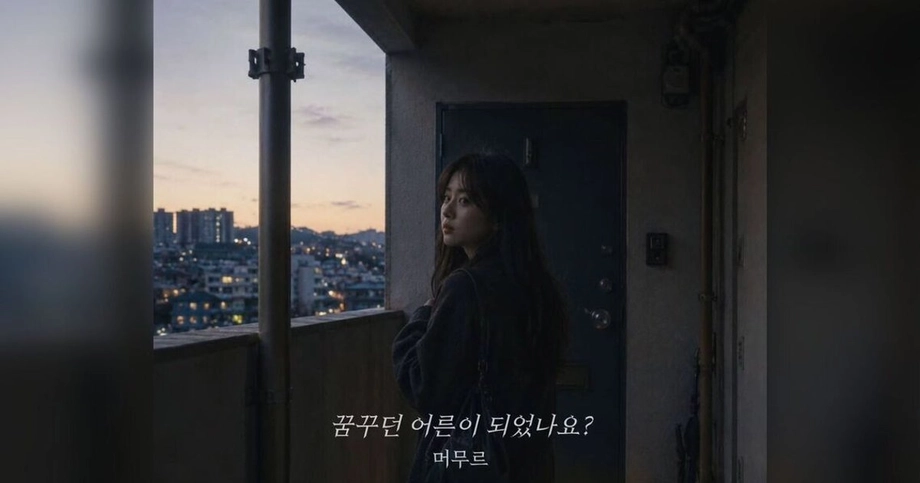
The song, whose Korean title translates as Have You Become the Adult You Dreamed Of?, combines human planning and lyrics with music generated using AI. The composer team Glorywave handled the planning, lyrics and production direction, while AI produced the melody and vocals. Its success puts a practical question before the industry: when people and software share the work, who should receive the money?
A Board of Audit and Inspection investigation found that more than 60% of newly commissioned domestic music tracks examined were suspected of involving AI. That figure concerns newly commissioned tracks, while the broader debate also covers commercial releases, background music and songs generated by people with no production experience.
Established creators argue that music generators have learned from their work without permission and have demanded that royalty settlements be withheld. People using AI argue that their planning, prompts and creative decisions deserve recognition. The association's withdrawal left pending submissions on hold while government, parliament and the cultural sector discuss common standards.
Music production becomes almost instant
At Brightbell, employees without previous experience in music production used AI to create upbeat music for dancing robot performers. Kim Il-yoo, the company's executive director, explained why the company chose that approach:
We thought that singing and dancing to AI-generated music might actually be a fitting way to express their identity as AI robots...
A demonstration involving a request for an autumn ballad produced lyrics and a melody in less than 30 seconds. The speed helps explain why AI music appeals to businesses and casual users: a task that once required several creative skills can now begin with a short written instruction.
Professional projects can involve a more complicated division of labor. Glorywave wrote lyrics and directed production for Meomureu's hit, while Suno supplied musical elements and the singing voice. Another song using AI, GG.EZ, gained attention as background music for short videos. Both examples show how music made with AI is reaching listeners through ordinary entertainment rather than remaining a technical experiment.
What the association withdrew
The Korea Music Copyright Association, known as KOMCA, announced its proposed standards on August 3, 2026, after approximately three years of discussions by an internal AI committee. The rules covered its Regulations on the Reporting and Registration of Musical Works and Standard Trust Contract for Music Copyrights.
The proposal would have allowed registration only of portions created through substantial, leading human participation in writing lyrics, composing or arranging. A track generated solely by entering prompts, without substantive human creative work, would have been excluded.
Trust registration means placing rights under the association's management so it can administer them and distribute royalties. The proposal therefore concerned access to a working system for collecting and sharing money, alongside the underlying question of what human creativity qualifies for protection.
On August 18, the Ministry of Culture, Sports and Tourism sent a letter recommending broader public discussion across the arts. Parliament also called for wider consideration. At its eighth board meeting on August 25, KOMCA withdrew the amendments, 22 days after announcing them.
KOMCA president Lee Siha described the purpose of the original proposal:
The purpose of the rule amendment was to protect the rights and fair compensation systems for human creators in the absence of established standards.
What happens to submissions and memberships?
KOMCA said it would reprocess works submitted while the revised rules were in effect. Members whose works had already entered the trust system would receive notice explaining the withdrawal, with deregistration procedures available on request. Submissions received but not yet registered would remain suspended until new policies were established.
Membership applications based on music using AI also face disruption. Applications still under review will be deferred. For memberships already completed on that basis, the association said it would explain the withdrawal and carry out contract termination procedures.
KOMCA maintained its position that works produced entirely by AI, without substantive human creative contribution, would not be registered. It also said reviews, monitoring and investigations into inaccurate declarations and distorted royalty distribution would continue under existing laws and rules.
The association reported voluntary corrections of rights declarations and returns of royalties connected with works generated entirely by AI. It gave no replacement policy date or figures for affected submissions, memberships or returned payments.
How the dispute developed
The debate moved from an attempt at internal regulation to a wider policy discussion as music using AI gained commercial attention. The main developments in 2026 were:
- August 3: KOMCA announced standards allowing registration of qualifying human contributions to music using AI.
- August 18: The culture ministry called for discussion across the arts sector.
- August 25: KOMCA's board withdrew the amendments.
- September: Universal and Sony affiliated labels filed an additional lawsuit against Suno in federal court in Massachusetts.
- October 26: Meomureu's song reached No. 2 on Melon's TOP100.
- November 3: Cafe and gym accounts described businesses switching to music generated with AI.
- November 7: A demonstration showed an autumn ballad taking less than 30 seconds to generate.
Two discussions at the National Assembly have also addressed copyright and distribution standards for AI music. KOMCA has committed to working with parliament, government, creators and the cultural sector on legal and policy standards.
The training dispute starts before a song is made
Universal and Sony affiliated record labels alleged in their September lawsuit that Suno copied 60,202 recordings without permission to develop its technology. The recordings named in the dispute include Psy's Gangnam Style and Bad Decisions, which features members of BTS.
Suno maintains that copying for training falls within fair use under United States copyright law. Fair use allows certain uses of copyrighted material without permission, depending on the purpose and circumstances. The labels and Suno disagree over whether training a commercial music generator fits that protection.
Jung Yeon-deok, a professor at Konkuk University's law school, identified permission to use training material as a central issue. He also described the difficulty of gathering evidence about which songs, which portions and which methods were involved when a system learned from a large collection of recordings.
Two decisions therefore sit at different points in the music creation process. Rights holders want payment or control when their recordings are used to train a model. People making new songs want recognition for the lyrics, composition or other creative work they contribute to the output. A royalty system has to address both the earlier use of existing music and the later creation of something listeners can play.
Listeners are warming to AI music
The Korea Creative Content Agency's 2025 Music User Survey found that 33.7% of respondents were willing to listen to music using AI, up from 26.5% a year earlier. That is an increase of 7.2 percentage points, taking stated willingness from roughly one in four respondents to roughly one in three.
Meomureu's song gained popularity through short videos, with lyrics about the gap between childhood dreams and adult life. Its rise continued after its use of AI became known. The response suggests that, for some listeners, emotional appeal matters more than whether a person supplied the singing voice.
Popular culture critic Kim Seong-su said polished AI vocals may feel familiar to audiences accustomed to pitch correction and other voice processing. He saw particular room for AI in easy listening music, where audiences may be seeking a pleasant sound rather than the distinctive performance of a particular singer or instrumentalist.
Melon, FLO and Bugs did not operate separate labeling systems for music generated with AI at the time described. Listeners therefore encounter these tracks through the same distribution and recommendation systems as other music.
The platforms have pointed to the need for common industry guidelines. A song with human lyrics and an AI voice involves a different division of work from a human performance that uses AI only for assistance. Labels, recommendations and royalty administration all require a consistent way to describe those contributions.
Cafes seek cheaper background music
In Guwol-dong, in Incheon's Namdong district, a cafe owner changed the shop's background music to playlists with lyrics and compositions generated by AI after receiving a request for approximately 15,000 won a month in music usage fees. The owner cited rising prices and difficult trading conditions.
Cafes and ordinary pubs subject to the relevant performance royalty schedule pay between 4,000 and 20,000 won monthly, depending on floor area. Gyms have a separate schedule. Businesses can pay rights management organizations directly or use a commercial background music service that handles payment.
Performance royalties compensate rights holders when protected music is played to customers. Under the rules described, covered venues such as cafes measuring at least 50 square meters must pay when they play music subject to those rights. Article 136 of South Korea's Copyright Act provides penalties of up to five years in prison or a fine of up to 50 million won for infringement of economic copyright.
KOMCA said it had received occasional inquiries about replacing background music with AI tracks, while performance fee collections had shown no clear change. Its inspections also found some businesses that declared exclusive use of AI music still playing songs managed by the association.
For shop owners, the practical issue is the music actually played and the permissions attached to it. A playlist can contain a mixture of tracks with different rights, making accurate records useful for both businesses and the organizations collecting fees.
Can tracking make payment fairer?
Technology developers are working on ways to analyze the contributions of original creators to music generated with AI. Lee Jong-pil, chief executive of Neutune, described the potential value of a clearer record of music use:
Once the use of music by AI begins to be clearly recorded and tracked, that could solve all the copyright issues...
Tracking could help connect the training stage, the creation of a new song and its eventual commercial use. A system that records those steps would give creators, AI companies and royalty administrators more information when negotiating permission or deciding how payments should be divided.
Kim Seong-su warned that the economic effects also reach musicians paid to perform on recordings. A producer who can generate accompanying instruments may hire fewer session players. He also questioned whether payments for training would match the income creators previously earned through conventional copyright royalties.
Named stars and performers with recognizable styles may be better placed to negotiate payment than less visible musicians. That leaves the policy discussion facing a concrete distribution problem: how to compensate the many contributors whose work helps make commercial music possible, including those whose names listeners rarely see.
South Korea's next standards must address several connected decisions: how to identify human creative work, how to document AI involvement, how platforms should inform listeners, and how existing rights holders are paid. The withdrawn KOMCA proposal offered one approach to registering human contributions. Its replacement will require agreement across a wider group as AI music continues to circulate.
Key Points
- Meomureu reached No. 2 on Melon's TOP100 on October 26, 2026, with human lyrics and production direction alongside AI melody and vocals.
- KOMCA withdrew its AI registration amendments on August 25 after calls for broader government and cultural sector discussions.
- Pending submissions and membership applications based on AI works face suspension or further procedures.
- Universal and Sony affiliated labels allege Suno used 60,202 recordings without permission; Suno invokes fair use.
- Willingness to listen to music using AI rose from 26.5% to 33.7% in the Korea Creative Content Agency survey.
- Major Korean platforms lack separate AI music labels, while some businesses are adopting AI background music.