A Battle Against 14,000 Demons Becomes the Flashpoint
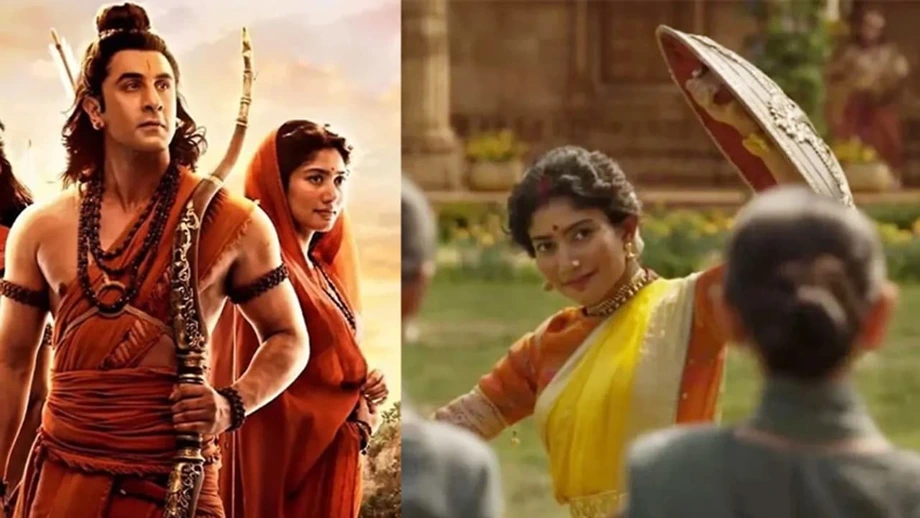
A scene showing Sai Pallavi's Sita fighting beside Ranbir Kapoor's Rama against the 14,000 demons of Khara and Dushana has put director Nitesh Tiwari's Ramayana at the centre of a dispute over how sacred stories are adapted for cinema. The film, described as Ramayana: Part 1 and also as Ramayana: Rise of a Legend, opened in cinemas on November 5, 2026.
Contents
Critics on social media say the sequence changes a specific episode in the Valmiki Ramayana: Rama sends Sita away with Lakshmana for her protection, then confronts the army alone. Their objection focuses on who takes part in that battle, rather than simply on whether Sita can be portrayed as powerful.
Tiwari has explained that the filmmakers drew inspiration from the Adbhuta Ramayana, a Sanskrit telling in which Sita reveals an extraordinary divine power. Speaking to international media at the film's Los Angeles premiere, he said the team used that tradition to develop her portrayal as a warrior princess while retaining Rama's divine identity.
The disagreement turns on how the film combines those traditions. The Adbhuta Ramayana places Sita's most dramatic act of combat in a confrontation with a different enemy, the thousand headed Sahasra Ravana. The film brings the idea of a fighting Sita into the forest battle against Khara and Dushana. Understanding that creative choice helps explain both the director's defence and the objections from viewers who expected the familiar sequence.
Why the Forest Battle Matters
The disputed scene takes place during Rama and Sita's exile, in the episode associated with Panchavati. Khara and Dushana command the demonic force that attacks Rama. In the Valmiki narrative cited by critics, Rama instructs Lakshmana to take Sita to safety before fighting the army himself.
Rama's solitary victory is central to the objection. For viewers attached to that telling, the sequence establishes his strength through the fact that he faces an enormous force alone. Placing Sita alongside him changes the distribution of action between the characters and the way that victory is presented.
Sai Pallavi's participation in the battle therefore affects more than the appearance of a single action sequence. It changes Sita's location, Lakshmana's protective role and Rama's position as the sole combatant on his side. Those are concrete narrative details that audiences can compare with the version they know.
Several social media comments repeat that argument, accusing the filmmakers of changing scripture under the banner of creative freedom. Other viewers support the decision, pointing to the existence of different Ramayana traditions. No audience survey or count of reactions has been given, so the scale of support and opposition remains unknown.
What Tiwari Said About Creative Freedom
Tiwari's explanation at the Los Angeles premiere distinguished between characters whose treatment he considered open to interpretation and those he wanted to keep within a familiar religious portrayal. Discussing Rama, the director said the film preserved his divine status.
In comments rendered here in English from the Hindi account of his remarks, Tiwari explained his approach:
There are action scenes for Mother Sita's character in the film too. We are very clear that there are some characters with whom we can take a little freedom according to the story, but there are some characters with whom we should not make any changes. For example, Lord Rama, in every form of the Ramayana in our country, he has been shown as Lord Rama.
The director then identified the particular tradition behind Sita's portrayal. In the same remarks, translated from Hindi, he said:
Mother Sita also has a warrior form, as you mentioned. In the Adbhuta Ramayana, she is shown as a warrior princess. We have taken this aspect from that form, which gives her character a new and interesting dimension.
Tiwari's explanation presents the film as drawing from several interpretations of the epic. His defence rests on a portrayal of Sita that already exists within the wider storytelling tradition, with the filmmakers choosing where to bring that quality into their screen narrative.
The Sita of the Adbhuta Ramayana
The Adbhuta Ramayana is a Sanskrit work traditionally attributed to Valmiki. Scholars differ over its authorship and date of composition, and many place it considerably later than the period traditionally associated with the Valmiki Ramayana. Its traditional attribution and its disputed history both matter when audiences encounter it as the explanation for a film scene.
Sita has a striking divine role in this telling. She is associated with Shakti, a term for divine power that is expressed through the goddess. For a reader unfamiliar with the concept, the essential point is simple: Sita possesses power in her own right and can act as a force capable of destroying a formidable enemy.
The best known episode relevant to the present dispute involves Sahasra Ravana, described as the brother of the familiar Ravana with ten heads. Sahasra Ravana has one thousand heads and is so powerful that Rama struggles against him.
Sita then reveals her fierce Mahakali form and kills Sahasra Ravana, protecting Rama. Her transformation gives her the decisive role in resolving the confrontation. This is the episode that helps explain why Tiwari sees a warrior portrayal of Sita as rooted in a Ramayana tradition.
The contrast between the two enemies is worth keeping clear. Khara and Dushana lead the army in the disputed forest battle. Sahasra Ravana belongs to the Adbhuta Ramayana episode in which Sita manifests as Mahakali. Each episode gives the characters a different part to play.
How the Film Combines Two Ideas
The film's creative choice joins a battle familiar from the Valmiki narrative with a broader conception of Sita drawn from the Adbhuta Ramayana. In the former, Rama fights the army while Sita is taken to safety. In the latter's Sahasra Ravana episode, Sita's divine intervention determines the outcome.
Moving a character's quality from one episode into another can substantially change a story. Here, the quality is Sita's capacity for combat. The change becomes especially visible because the forest battle already has a clearly remembered arrangement of participants: Rama fights, while Lakshmana protects Sita elsewhere.
Critics judge the scene against that arrangement. Tiwari explains it through the wider range of portrayals available across Ramayana traditions. The two positions therefore approach the same scene with different expectations about adaptation: fidelity to the details of a particular episode, or freedom to combine elements from different tellings.
For viewers deciding what to expect, the practical distinction is between following one narrative closely and building a screen version from several. Tiwari's comments place his approach in the second category. The controversy arises at the point where that approach changes an event that some viewers regard as essential to the first.
How the Dispute Developed
The sequence of events centres on the premiere, the cinema release and the circulation of reactions to the battle scene. The Los Angeles event gave Tiwari an opportunity to explain the inspiration behind Sita's action sequences.
- At the Los Angeles premiere, Tiwari discussed the filmmakers' use of different Ramayana interpretations and cited the Adbhuta Ramayana for Sita's warrior portrayal.
- On November 5, 2026, the film opened in cinemas.
- Following the release, social media criticism focused on Sita joining Rama in the battle against Khara and Dushana's army of 14,000 demons.
The immediate issue is a disagreement over the filmmakers' interpretation. The explanation offered so far concerns why the scene was created and which literary tradition inspired its portrayal of Sita.
Praise for the Spectacle Continues Alongside Criticism
Ranbir Kapoor's performance as Rama and Yash's portrayal of Ravana have received positive audience reactions, alongside praise for the film's scale and visual effects. The response to Sita's battle scene sits within that wider reception, where admiration for the production and objections to a narrative choice can exist together.
Sai Pallavi's character is at the centre of the debate because the filmmakers have given Sita visible participation in a confrontation that many viewers remember as Rama's solitary battle. The dispute concerns the writing and staging of that participation, rather than an identified objection to Pallavi's performance.
The clearest way to understand the controversy is through its two specific episodes. The Valmiki account invoked by critics places Sita in safety during the battle with Khara and Dushana. The Adbhuta Ramayana invoked by Tiwari gives her a decisive victory over Sahasra Ravana. The film brings the warrior idea into the earlier forest confrontation, making its combination of traditions the central point of disagreement.
Key Points
- Sai Pallavi's Sita joins Ranbir Kapoor's Rama in a film battle against Khara and Dushana's army of 14,000 demons.
- Critics say the Valmiki narrative has Rama fight alone after sending Sita to safety with Lakshmana.
- Director Nitesh Tiwari cites the Adbhuta Ramayana as the inspiration for Sita's warrior portrayal.
- That Sanskrit telling features Sita becoming Mahakali and killing the thousand headed Sahasra Ravana in a different episode.
- The film opened on November 5, 2026, and has also drawn praise for its performances, scale and visual effects.