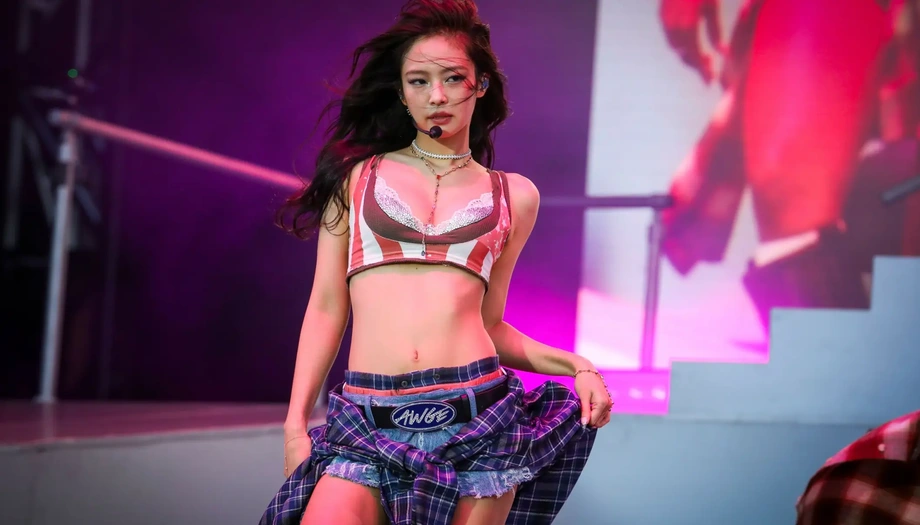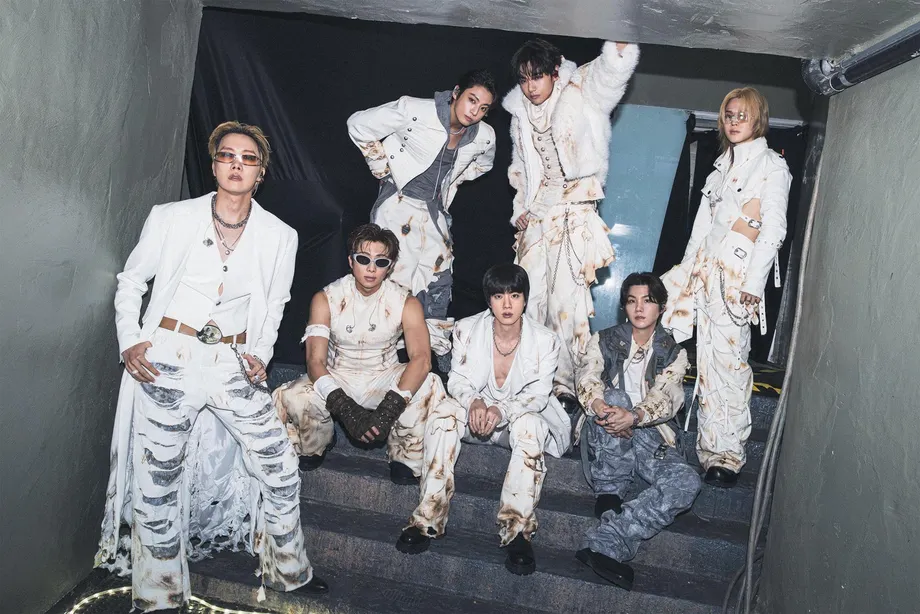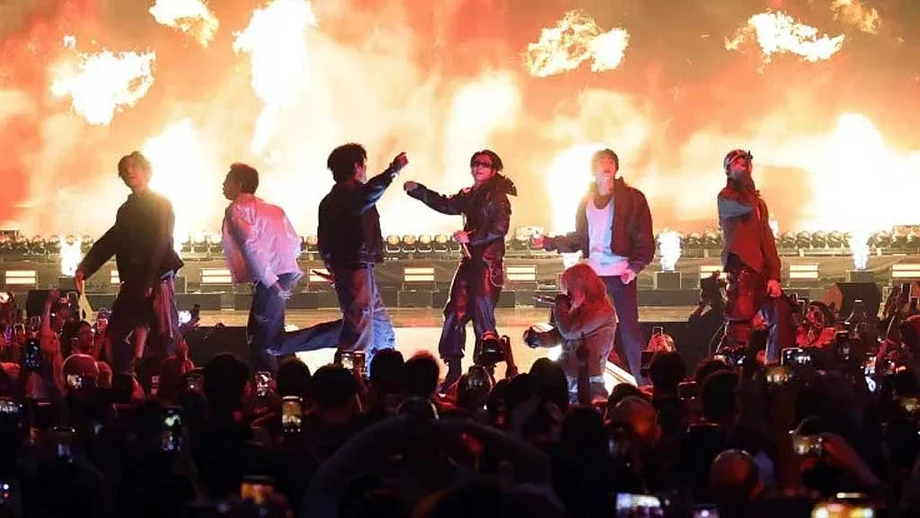
Fourteen sold out concerts reach far beyond the stadiums
BTS finished the South American leg of its ARIRANG world tour with 853,000 admissions across 14 sold out concerts in five cities, according to its agency, BigHit Music. The final three performances took place at Morumbi Stadium in Sao Paulo on October 28, 30 and 31, 2026, ending a journey that began in Bogota on October 2.
Contents
- Fourteen sold out concerts reach far beyond the stadiums
- A month of first visits and long awaited returns
- Korean identity meets local football shirts and fan projects
- Fans crossed borders and saved for years
- La Plata recorded spending well beyond ticket sales
- Flights, hotel searches and rides showed different pressures
- Indigenous accessories drew praise and criticism
- Brazilian authorities sought answers about the audience experience
- HYBE plans more dates as concerts drive revenue
- Asia and Australia are next on the schedule
- Key Points
The concerts brought the seven members to Colombia and Argentina for their first performances there as a complete group, to Peru for their first visit since their 2013 debut, and back to Chile and Brazil after absences of nine and seven years respectively. The itinerary connected audiences who had waited years with a group returning to touring after military service.
The crowds also moved money through hotels, restaurants and transport networks. Concert visitors spent an estimated 53 billion Argentine pesos in La Plata, excluding tickets. In Lima, demand for rides reached up to 48 times its usual level immediately after the first concert. Latin America also supplied 27 percent of global streams for the ARIRANG album during its first eight weeks, according to music data company Luminate, the largest share of any region.
Sao Paulo's farewell brought a less celebratory development alongside the performances. Complaints about queues, access, crowding and video screens prompted requests for information from Brazilian public authorities and consumer protection bodies. The tour's closing days therefore combined exceptional demand with practical concerns about how such large audiences were accommodated.
A month of first visits and long awaited returns
RM, Jin, Suga, J-Hope, Jimin, V and Jung Kook travelled through Bogota, Lima, Santiago and the Buenos Aires area before reaching Sao Paulo. The Argentine concerts took place in La Plata, about 60 kilometres from Buenos Aires, making that city a major destination for visiting fans.
The route brought performances to countries with very different histories of access to BTS concerts. Colombia, Argentina and Peru received milestone visits, while Chilean and Brazilian audiences welcomed the group back after lengthy gaps. Brazil's previous visit had been in 2019.
The main dates show how the South American journey fits into the wider return:
- March 20, 2026: BTS released its fifth studio album, ARIRANG.
- April 2026: The group began the accompanying world tour.
- October 2: The South American leg opened in Bogota.
- October 21, 23 and 24: BTS performed in La Plata, Argentina.
- October 28, 30 and 31: Three Sao Paulo concerts closed the regional leg.
- November 19: The next Asian performances are scheduled to begin in Kaohsiung, Taiwan.
The group's first Argentine concerts had already shown how the production was developing, combining coordinated choreography with conversation, spontaneous exchanges and changing song selections. That flexibility carried through a regional programme built around both a new album and familiar hits.
Korean identity meets local football shirts and fan projects
ARIRANG takes its name from a traditional Korean folk song. The concerts paired music from the fifth studio album with songs including "Fake Love," "Not Today," "MIC Drop," "Fire," "Idol," "Butter" and "Dynamite." Surprise selections changed between performances, giving fans attending more than once something different to anticipate.
The stage design drew on Korean pavilions, including Gyeonghoeru Pavilion at Gyeongbokgung Palace, and the Taegeukgi, South Korea's national flag. Those references placed Korean architecture and imagery inside a stadium production reaching audiences thousands of kilometres away.
Brazilian football shirts supplied a local counterpart. Members addressed audiences in Portuguese, while fans used their concert light sticks to create green and yellow displays during "Please." Another organised project brought hand fans into "FYA," adding the rhythmic sound of fans snapping open and shut. Audiences also sang happy birthday to Jimin in Portuguese.
RM visited Sao Paulo's Pinacoteca art museum, and J-Hope described Brazilian barbecue as his favourite meal of the Latin American leg. Bogota and Buenos Aires named BTS honoured guests, while Santiago temporarily adopted the street name "Avenida BTS." Landmarks also lit up in purple, the colour associated with the group.
Fans crossed borders and saved for years
Maria Cruz Mamani's journey to Santiago illustrates the effort behind the attendance totals. She saved for six years and travelled for nearly 30 hours, changing buses along the way, to reach the concert. For fans living outside the five host countries, attending could mean an international journey as well as buying a ticket.
Peru's Ministry of Commerce and Tourism recorded Ecuador as the largest origin country among foreign attendees at the Lima concerts, accounting for 27.9 percent. Mexico supplied 12.2 percent and Bolivia 10.6 percent. Ecuador and Bolivia were absent from the tour itinerary, making Lima an important destination for fans from both countries.
Ecuador and Bolivia together accounted for 38.5 percent of foreign attendees in that breakdown. The figures help explain why the effects of the concerts reached beyond the cities, and even the countries, hosting them.
J-Hope, a BTS rapper and dancer, addressed the long separation from regional audiences at the final Sao Paulo concert:
Because we don't get to meet often, South America was one of the schedules we looked forward to the most.
RM also described seeing signs from people who had waited 10 years. Those messages reflected the uneven geography of international touring: a group can have a large audience in a country for years before performing there.
La Plata recorded spending well beyond ticket sales
La Plata's visitor figures show how a stadium concert can become a much wider tourism event. Around 96 percent of the audience came from outside the city or surrounding region, attendees arrived from 11 countries, and more than 130,000 visitors were making their first trip there.
More than 48,000 people stayed overnight, with an average stay of 3.5 nights. That length of visit meant spending could extend across several days rather than being concentrated around the hours before and after a performance.
The estimated 53 billion Argentine pesos went towards accommodation, food and drinks, transport and leisure, with concert tickets excluded. Hotels and restaurants therefore shared in the spending generated by an event whose headline attraction was music.
Lima recorded 151,500 admissions over three days, against a Peruvian government estimate of 50,000. The eventual total was about three times that forecast. The Lima Chamber of Commerce estimated an economic impact of up to 200 million soles, while more than 25,000 applications were submitted for a BTS drone show at the coastal Costa Verde area.
Flights, hotel searches and rides showed different pressures
Bogota's flight reservations rose 46.6 percent compared with the same period a year earlier during the concert period. Santiago accommodation searches increased by about 200 percent, equivalent to roughly three times the earlier level.
Lima experienced a sharper surge around the performances themselves. Use of ride services was 15 times the usual level on the first concert day and reached up to 48 times normal immediately after the show. Thousands of people leaving the same venue at once created a concentrated transport peak.
The measurements describe different parts of the visitor journey. Flight reservations track planned air travel, accommodation searches capture interest in finding somewhere to stay, and requests for rides show pressure on transport at particular moments. Together with the spending estimates, they explain why host cities had to prepare for far more than activity inside a stadium.
Santiago had also faced uncertainty over its venue. Chile's National Sports Institute initially refused permission to use the National Stadium in July, after nearly 200,000 tickets had been sold. Fans protested, including marching towards the presidential palace with purple banners, and permission was restored within three weeks.
Indigenous accessories drew praise and criticism
Jin and RM wore cocar feather headdresses during the Brazilian concerts, prompting debate about sacred Indigenous objects appearing in pop performances. The headdresses carry meanings connected to ancestry, identity and strength for Indigenous communities in Brazil.
Some social media users criticised their use as concert clothing. Indigenous people also spoke in defence of the group, with some welcoming the attention given to their cultures and offering context about the objects. The disagreement centred on respect, cultural meaning and the views of the communities connected to the items.
Other accessories brought attention to specific craft traditions. Members including Suga wore geometric bead bracelets described as the work of Waurá, also known as Wauja, artisans from the Xingu region. Necklaces and bracelets made with sustainably sourced açaí seeds were described as inspired by, and created in support of, the Yawanawá community.
Bracelets with Kene Ku designs associated with the Huni Ku people were also described among the Brazilian cultural references. These accounts identified several different Indigenous traditions within the concert styling, each with its own artistic practices and cultural meaning.
Brazilian authorities sought answers about the audience experience
Fans at the Sao Paulo concerts reported difficulties with stadium access, queues, signs, crowding and infrastructure. Screen visibility became another focus of complaints: the South American production used four central screens arranged for viewing around the stage, compared with as many as 12 screens at performances in other regions.
For spectators far from the performers, video screens are a central part of watching a stadium show. Their size, position and visibility affect how easily people can follow faces, choreography and smaller moments on stage.
The Sao Paulo Public Prosecutor's Office requested explanations from the city government, Ticketmaster Brasil and Live Nation Brasil. Procon-SP, the state consumer protection body, notified the producer over complaints about the concert infrastructure.
Brazil's National Consumer Secretariat, Senacon, also requested information after the first performance about crowding, queues, safety and accessibility. No outcome of those requests or deadline for a decision was given. The complaints put the practical experience of ticket holders alongside the attendance and spending figures in the assessment of the Brazilian concerts.
HYBE plans more dates as concerts drive revenue
HYBE, the parent company of BigHit Music, said on November 3 that the ARIRANG tour would continue through the first half of 2027. Chief executive Lee Jae-sang said more dates were planned and that group and solo projects were being prepared in discussion with the members.
The tour was initially described as 79 concerts in 34 cities before expanding to 88 performances. The announced schedule currently reaches the Philippines in mid-March 2027, while HYBE's stated timetable extends further into the year.
The company's preliminary results show how much its business now draws from live performances. Revenue for July through September reached 1.53 trillion won, up 109.8 percent from a year earlier. Operating profit, the money remaining after running costs before certain other expenses, reached 188.5 billion won, compared with an operating loss of 42.2 billion won a year earlier. Net profit was 11.3 billion won.
Concert sales contributed 726.8 billion won, about 47.5 percent of quarterly revenue. Merchandise and licensing brought in 334.6 billion won, while albums and streaming contributed 282.8 billion won. Those totals cover HYBE's wider roster, including other touring acts. Revenue for January through September reached 3.674 trillion won.
Asia and Australia are next on the schedule
Kaohsiung is scheduled to open the next regional leg on November 19. Bangkok, Kuala Lumpur, Singapore and Jakarta follow, with the Asian programme running through December 29. Melbourne and Sydney are scheduled for February 2027.
The next performances will also reach people outside the stadiums through Kaohsiung and Jakarta screenings in more than 80 countries and regions. The selected concerts are November 21 in Kaohsiung and December 29 in Jakarta, extending access to fans unable to travel.
Singapore is preparing a wider destination programme around its December concerts. The Singapore city programme runs from December 1 to 31, with music, art and themed experiences across the island. That approach carries forward a pattern seen in South America, where a few performance dates brought visitors into museums, hotels, restaurants and public spaces.
BTS's return follows a break from group touring after its 2022 Las Vegas shows, during which the members completed South Korea's mandatory military service and pursued individual work. All seven had returned by 2025. The new album has since reached milestones including its first Italian platinum certification, adding recorded music success to the tour's attendance figures.
Jimin, a BTS singer and dancer, expressed the group's intention to return during a Weverse livestream after the South American concerts:
I will carry these memories, prepare well, and come back again next time.
Key Points
- BigHit Music said BTS drew 853,000 admissions to 14 sold out South American concerts in five cities.
- The regional leg ran from October 2 in Bogota to October 31 in Sao Paulo.
- La Plata recorded estimated visitor spending of 53 billion Argentine pesos, excluding tickets.
- Lima's three concerts drew 151,500 admissions, about three times the government's estimate.
- Brazilian authorities requested information after complaints about access, queues, crowding, screens and accessibility.
- The next Asian leg begins in Kaohsiung on November 19, with Australia scheduled for February 2027.
- HYBE said the tour would continue through the first half of 2027, with more dates planned.