Six Hours That Could Give a Stranger Another Chance
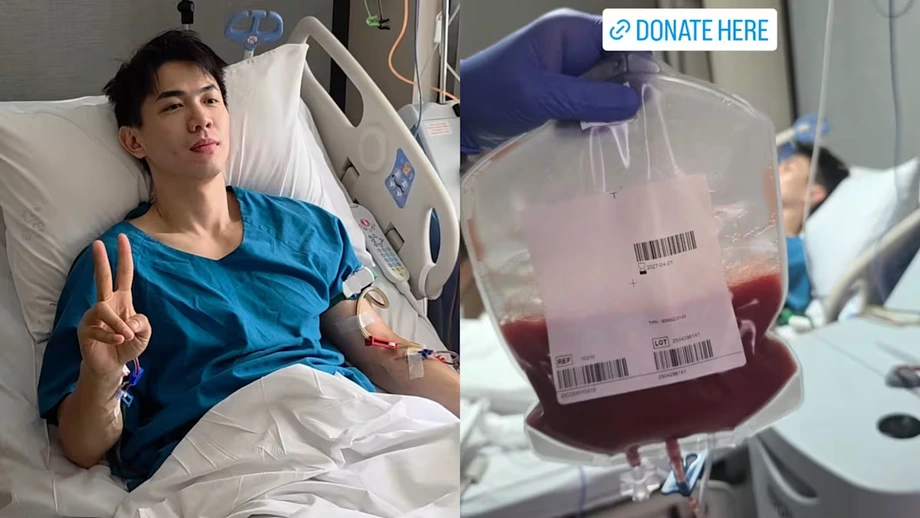
Singapore actor Nick Teo spent about six hours donating stem cells at Mount Elizabeth Hospital for a person he had never met. After a few days of recovery, he returned to acting, including filming fight scenes with fellow actor Tyler Ten for the Mediacorp drama In His Hands.
Contents
- Six Hours That Could Give a Stranger Another Chance
- How a Cheek Swab Led to a Donation
- What the Collection Involved
- Recovery, Family Support and Fertility Concerns
- More Donations, but Many Searches Still Fall Short
- Why Staying Available Matters
- A Recipient Describes What Extra Time Meant
- The Steps From Registration to Treatment
- Key Points
Teo, 37, described the experience in an Instagram post on October 21. His journey began about five years earlier, when he and his wife, actress Hong Ling, took cheek swab tests to join a donor register. Her encouragement helped him take that first step.
The recipient's identity was kept anonymous. Teo presented his donation as a chance to help someone facing a serious illness, although the recipient's diagnosis and treatment outcome were not disclosed.
His account puts a familiar face to a challenge facing Singapore's Bone Marrow Donor Programme (BMDP): getting people to register is only the beginning. Patients also need suitable donors who are willing and medically able to proceed when contacted, sometimes years after their initial swab.
Figures announced at BMDP's Match for Life walkathon on October 31, 2026, show both progress and the remaining need. The programme had facilitated 71 donations that year, compared with 57 throughout 2025. Yet only about 20% of roughly 500 hospital searches for donors each year eventually lead to a transplant, according to BMDP patron Tan See Leng.
How a Cheek Swab Led to a Donation
Teo and Hong Ling signed up after learning how difficult it can be to find a suitable donor. A cheek swab collects cells that can be tested for tissue markers used in matching. Joining a register makes those details available for a future search; donation happens later if a patient needs a compatible donor.
Matching depends on inherited tissue characteristics, rather than simply having the same blood group. These characteristics help the immune system recognise which cells belong in the body. A close match helps doctors reduce the risk of serious complications after a transplant.
Teo said he might not have registered without Hong Ling's encouragement. About five years after their swab tests, that decision led to a hospital appointment and a donation for a stranger.
The gap between registration and donation matters. Someone who signs up may receive a call much later, when their work, health or family circumstances have changed. BMDP identifies donors dropping out as its greatest challenge, even with more than 130,000 people on its register.
What the Collection Involved
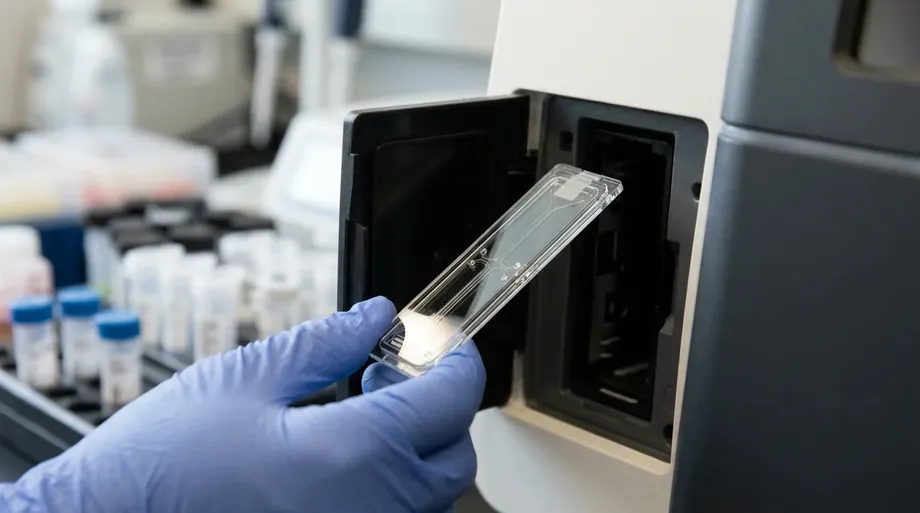
Teo prepared for his donation by giving himself injections to increase the number of blood forming stem cells circulating in his bloodstream. Hong Ling helped with the first injection, and he administered the second himself.
Blood forming stem cells develop into the cells that carry oxygen, fight infection and help stop bleeding. They are found in bone marrow, the soft tissue inside bones, but doctors can also collect them from circulating blood after medication increases their numbers there.
During collection from the bloodstream, a machine separates the required cells and returns the remaining blood components to the donor. This explains why a donation discussed under the broad heading of bone marrow donation can resemble giving blood, as Teo described his experience, rather than involve collecting marrow directly from a bone.
Teo said the process took about six hours. His account also included the preparation beforehand and several days of recovery afterward, giving prospective donors a fuller picture of the time involved than the collection appointment alone.
Recovery, Family Support and Fertility Concerns
Hong Ling supported Teo through the injections and later said she was proud of him. The couple married in 2023 and were expecting their first child when his donation story was shared.
Teo addressed fears about donation, including claims that it affects fertility or leaves donors physically weak. He encouraged people to learn the facts instead of allowing rumours to decide whether they would consider registering.
His return to filming provided a concrete detail about his own recovery. After resting for a few days, he resumed work on In His Hands, including a scene involving sparring with Tyler Ten.
Prospective donors still need medical advice suited to their circumstances. Collection methods, preparation and recovery needs can vary, and the donor assessment is the opportunity to discuss health conditions, medication, fertility concerns and time away from work. Teo's experience offers a personal account of that process, while the medical team determines whether an individual can donate.
More Donations, but Many Searches Still Fall Short
BMDP chief executive Charles Loh announced the 2026 donation figures at the Match for Life walkathon in Bidadari Park. The 71 donations represented 14 more than the 57 recorded during all of 2025, an increase of about 25%, with the 2026 figure announced before the year had ended.
BMDP, a nonprofit organisation, manages Singapore's only register of volunteer marrow donors. It said the increase reflected growing transplant needs, greater use of local donors and efforts to make transplants more accessible.
Tan See Leng, Minister for Energy, Trade and Industry (Energy and Industry) and BMDP's patron, said hospitals submit about 500 searches for matching donors annually. About 20% eventually result in a transplant, equivalent to roughly 100 of those searches.
Tan explained why a search may end without a transplant:
There are many reasons why a transplant may not proceed – a patient's condition may change, a donor may not be able to proceed, or a suitable match may not be found,
He called for a larger register with a wider range of donors:
We must therefore continue to grow and diversify our donor registry to improve the chances of finding a suitable match for patients who need one,
A wider range of tissue types gives doctors more possibilities when searching for a patient. The practical goal is to have a compatible person available when treatment is needed, alongside the medical conditions necessary for the patient to proceed.
Why Staying Available Matters
By the end of September 2026, 247 potential donors had agreed to proceed when contacted. Agreement moves a search forward, with further assessment and arrangements needed before a donation can take place.
Loh said donor dropout remained BMDP's greatest challenge. The walkathon's theme, Walk the Talk, focused on carrying an initial commitment through to helping someone with a blood disease.
Workplace support is one practical part of that effort. BMDP's corporate partner programme grew from 26 organisations when it began in 2025 to 48 in 2026. Participating employers support staff who wish to donate, including through time off or volunteer leave.
Teo's account shows why that support can matter: a donor may need time for preparation, collection and recovery. For an employee deciding whether they can proceed, knowing that leave is available can make those arrangements more manageable.
About 800 people attended the 2.5km walkathon. They included 262 registered donors, of whom 12 had already donated marrow or stem cells to patients.
A Recipient Describes What Extra Time Meant
Psychiatrist Daniel Kwek, 60, was among the walkathon participants. His experience began in October 2018 with a red patch on his knee that he initially thought was cellulitis, a bacterial skin infection.
The patch was a sign of acute myeloid leukaemia, an aggressive cancer affecting blood forming cells in the bone marrow. Symptoms can include unusual bruising or spots on the skin.
Kwek, who is married and has a son, described the fear that followed his diagnosis:
One of the first things I did when I was diagnosed was to call a lawyer friend to help me draft a will because you never know what might happen.
Chemotherapy was harder than he had expected. After several months, he said, he broke down as treatment became tougher. His oncologist recommended a bone marrow transplant, and a donor search through BMDP found a match.
Kwek underwent a successful transplant in January 2019. He subsequently took oral chemotherapy medication for several months and attended monthly follow-up appointments for six years. His check-ups are now every four to six months.
For Kwek, one of the most meaningful results was being able to see his son marry in 2023. He described what the transplant had given him:
It was like getting another lease on life,
Kwek had once avoided volunteers recruiting donors for BMDP. He now volunteers himself, sharing his experience to encourage others to register.
The Steps From Registration to Treatment
Teo's donation and Kwek's transplant are separate experiences that show different stages of the same medical effort: finding someone compatible, arranging a donation and giving a patient the chance to receive treatment.
- October 2018: Daniel Kwek discovered the skin change that led to his diagnosis of acute myeloid leukaemia.
- January 2019: Kwek received a successful transplant after a donor match was found through BMDP.
- About five years before Teo's account: Teo and Hong Ling took cheek swab tests to join a donor register.
- 2023: Teo and Hong Ling married. Kwek also saw his son marry that year.
- October 21: Teo shared his donation journey, including preparation, collection and recovery.
- October 31, 2026: BMDP announced 71 donations that year at its Match for Life walkathon.
Teo's message centred on the small act that began his involvement: a cheek swab. BMDP's figures add the next part of that story. Patients need people to register, remain contactable and consider proceeding when a match is found, with medical assessment and practical support along the way.
Key Points
- Nick Teo donated stem cells to an anonymous recipient after registering about five years earlier with encouragement from Hong Ling.
- He described a collection lasting about six hours at Mount Elizabeth Hospital and returned to filming after a few days of recovery.
- BMDP announced 71 donations by October 31, 2026, compared with 57 in all of 2025.
- Despite more than 130,000 registered donors, donor dropout remains BMDP's greatest challenge.
- About 20% of roughly 500 hospital donor searches each year lead to a transplant, according to BMDP patron Tan See Leng.
- Transplant recipient Daniel Kwek described seeing his son marry as one of the greatest gifts of his treatment.