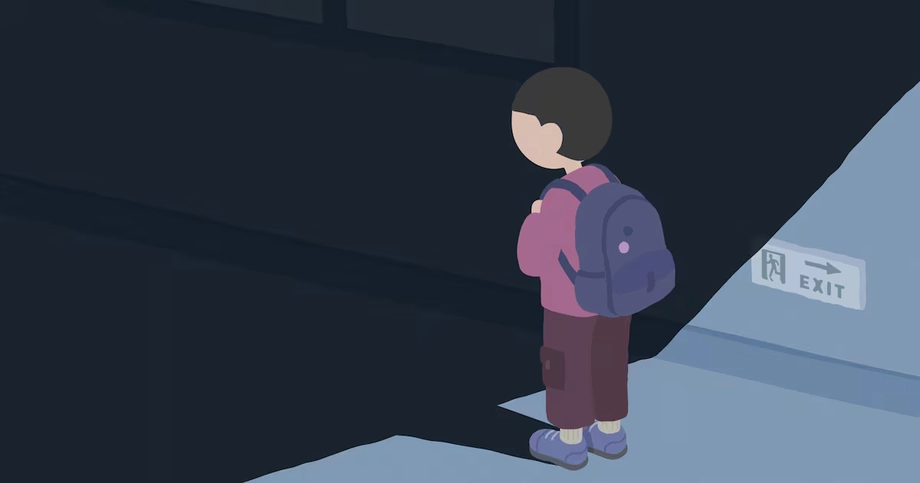
Teenage treatment rises 54% as patient numbers reach a record
Nearly 1.94 million people in South Korea received hospital treatment for depression or anxiety disorders in the latest annual figures, with the sharpest increases among children and teenagers. Patients aged 10 to 19 rose from 81,710 in 2021 to 125,930, an increase of 54.1%, while the number aged nine or younger grew by 50.4%.
Contents
- Teenage treatment rises 54% as patient numbers reach a record
- Children and people in their 30s show the fastest growth
- Women account for nearly two thirds of patients
- Population surveys show a different pattern from treatment records
- Psychiatric services face demand beyond depression and anxiety
- Care after discharge is another pressure point
- Public attitudes and family needs shape access to help
- Key Points
The Health Insurance Review & Assessment Service (HIRA) supplied the figures to the office of Rep. Baek Jong-heon of the People Power Party. The total reached 1,938,516 patients, up from 1,628,899 in 2021. That represents 309,617 additional people receiving care, an increase of 19% and the highest annual total recorded.
Older adults still accounted for the largest number of patients. People aged 60 or above numbered 628,638, roughly one in three of those treated. The figures therefore present two demands for services: rapidly growing treatment among younger people and a much larger existing patient population in later life.
Professor Lee Hun-jung of the Department of Psychiatry at Korea University Anam Hospital said lower stigma and fewer psychological barriers could be encouraging young people who previously avoided psychiatric care to seek help. He called for separate surveys measuring how common depression and anxiety are across the population.
South Korea's National Mental Health Statistics 2023 provides another part of the picture. Its survey findings show that emotional distress, screening results and hospital treatment can follow different patterns. Taken together, the figures point to a need for both accessible treatment and regular measurement of mental health outside hospitals.
Children and people in their 30s show the fastest growth
Teenagers accounted for 44,220 more patients than in 2021. Among children aged nine or younger, the number rose from 5,442 to 8,187, an increase of 2,745. Both groups grew much faster than the 19% rise across all ages.
People in their 30s recorded the fastest increase among adults. Their patient count climbed from 234,330 to 320,664, adding 86,334 people, or 36.8%. That growth rate was more than twice the 15.2% recorded among people in their 20s.
The increase among people in their 30s accounted for about 28% of the total rise since 2021, calculated from the additional 86,334 patients out of 309,617 across all ages. The teenage increase attracted attention because of its speed, while the expansion among people in their 30s contributed more additional patients.
Baek called for effective mental health policies that include early intervention for children and adolescents, developed with schools and local communities. That would bring support closer to the places where young people spend their daily lives, alongside treatment in medical settings.
Women account for nearly two thirds of patients
Women numbered 1,243,621 among those treated for depression or anxiety, compared with 694,895 men. Women therefore represented about 64% of the total, with approximately 1.8 female patients for every male patient.
Sleep disorder treatment also increased. The annual number reached 1,281,695 patients, up 24.7% from 2021. That was a faster increase than the 19% recorded for depression and anxiety. People can receive care for more than one condition, so the sleep disorder figure belongs alongside the depression and anxiety count rather than being added to it.
More than 1.67 million people had also received treatment for depression or anxiety by August of the following reporting year. The annual and August figures were described as covering last year and this year, but their calendar years were not specified in the account of the parliamentary data.
The figures cover several different periods:
- 2021: HIRA recorded 1,628,899 patients receiving treatment for depression or anxiety.
- 2022: A national adult survey measured depressive symptoms using the PHQ-9 screening questionnaire.
- 2023: National statistics recorded psychiatric treatment, hospital admissions, readmissions and bed numbers.
- Latest annual count: Depression and anxiety treatment reached 1,938,516 patients, with more than 1.67 million treated by August of the following reporting year.
Population surveys show a different pattern from treatment records
The National Center for Mental Health's National Mental Health Statistics 2023 brings together medical records and population surveys. Those measures answer different practical questions: how many people receive care, how many report distress and how many meet a survey's criteria for depressive symptoms.
Among adolescents aged 12 to 18, 26% reported experiencing sadness or hopelessness for at least two consecutive weeks that disrupted daily life in 2023. The rate was 28.7% in 2022 and 26.8% in 2021. It fell by 2.7 percentage points between 2022 and 2023, even as the longer comparison of treatment records showed rising numbers of teenage patients.
The adolescent survey covers a different age range and period from the HIRA figures. Its value is that it reaches young people through questions about their experiences, while treatment records count those who have entered medical care. Used together, they help officials track both distress and use of services.
Among adults aged 19 or older, the proportion reaching the report's threshold on the Patient Health Questionnaire-9, known as PHQ-9, was 4.3% in 2018, 5.7% in 2020 and 5% in 2022. The questionnaire asks about depressive symptoms. A score of at least 10 out of 27 was the threshold used in these statistics.
The adult figures were adjusted for age so that changes in the population's age structure had less influence on comparisons. In everyday terms, this helps researchers compare different years on a more consistent basis. Lee's call for separate prevalence surveys addresses exactly this need: measuring how widespread illness is as well as how many people seek treatment.
Psychiatric services face demand beyond depression and anxiety
The national report counted 2,679,525 people receiving treatment under psychiatric diagnosis codes at psychiatric medical institutions during 2023. Those codes cover a broader range of conditions than depression and anxiety. Within its diagnostic breakdown, the report listed 502,193 people treated for major depressive disorder.
Hospital admissions provide another view of the workload. During 2023, 119,897 people aged 15 or older were admitted to psychiatric medical institutions for conditions covered by the report, excluding dementia. Major depressive disorder accounted for 15,436 people in the inpatient diagnostic breakdown.
People aged 50 to 59 formed the largest inpatient age group, with 30,727 patients. There were also 23,748 patients aged 65 or older and 16,256 aged 60 to 64. These figures place substantial hospital demand among adults in middle and later life, alongside the rapid growth in treatment among younger groups.
Psychiatric beds fell from 71,564 at the end of 2022 to 67,634 at the end of 2023, a reduction of 3,930, or about 5.5%. Planning services therefore involves several types of capacity: appointments for people seeking care, hospital treatment for those who need admission and support after they return home.
Care after discharge is another pressure point
The national report followed 6,830 patients discharged in 2023 after treatment for moderate or more severe depressive episodes or recurrent depressive disorder. Recurrent depression means that a person experiences further episodes after an earlier episode has ended.
Within seven days, 377 patients, or 5.5%, had been readmitted to a hospital. Within 30 days, the total was 723, or 10.6%. By 90 days, 953 patients, or 14%, had been readmitted. The last figure is approximately one in seven discharged patients in that group.
Returns to the same hospital accounted for much of that activity. The corresponding rates were 4.5% within seven days, 9.1% within 30 days and 12.2% within 90 days. The report separately tracks returns to the original hospital and admissions elsewhere, allowing services to examine what happens after patients leave inpatient care.
For families, discharge marks a move from hospital supervision back to everyday routines. The readmission figures make continuity of care a concrete part of the policy discussion, alongside the question of how to reach people seeking help for the first time.
Public attitudes and family needs shape access to help
Singer Lee Hyo-ri recently discussed attending psychiatric appointments on the JTBC entertainment programme Love War. While advising a couple experiencing conflict over alcohol to seek counselling together, she explained that she also visits a psychiatrist and checks her mental state even when daily life is functioning well.
Her comments reflect the change described by Professor Lee: psychiatric care is becoming easier for some people to approach. Lee viewed reduced barriers among young people as a positive development because people who once avoided treatment may now be receiving it.
The Ministry of Health and Welfare's 2021 mental health survey found that 27.8% of adults had experienced a mental disorder at some point in their lives. This lifetime measure covers a broader range of conditions and a much longer period than an annual count of depression and anxiety treatment. It describes how widely mental health difficulties are experienced across adulthood.
Family circumstances can also concentrate the need for support. Research by the Korea Population, Health and Welfare Association, covered in June 2025, found depression among twin mothers in 39.5% of those within the first 12 weeks after childbirth. The survey involved 459 couples raising or expecting twins. Parents also expressed a strong desire for assistance: 94.7% said families with twins needed more support from authorities than families with one baby.
Psychiatric care can involve medication, counselling, psychological therapy and advice about daily routines. The growing treatment figures, school and community proposals, and evidence on families and hospital readmissions point to needs at several stages: reaching care, receiving appropriate treatment and maintaining support afterwards.
Key Points
- Depression and anxiety treatment reached a record 1,938,516 patients, up 19% from 2021.
- Patients aged 10 to 19 increased by 54.1%, while those aged nine or younger rose by 50.4%.
- People in their 30s recorded the fastest adult increase, at 36.8%; people aged 60 or older remained the largest patient group.
- Women accounted for about 64% of patients. Sleep disorder treatment rose by 24.7% from 2021.
- National surveys track emotional distress separately from treatment records, helping measure both population health and access to care.
- Psychiatric beds declined by 3,930 in 2023. Among a group discharged after treatment for depression, 14% returned to a hospital within 90 days.
- Baek called for early intervention involving schools and communities, while Professor Lee urged separate surveys of depression and anxiety prevalence.