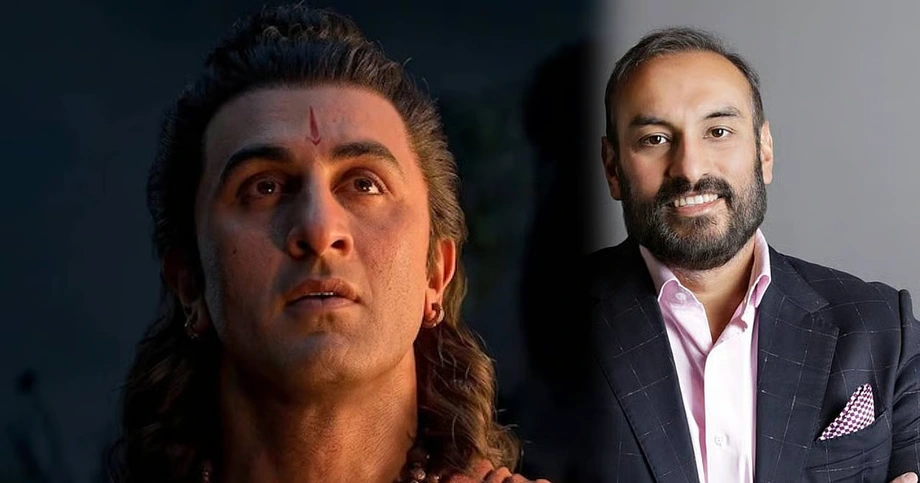
A longer wait for Rama's final battle
Ramayana Part 2 will arrive in 2028 rather than 2027, producer Namit Malhotra has confirmed, extending the wait for a sequel expected to cover Sita's abduction, Rama's rescue mission and the decisive battle against Ravana in Lanka. The first film, directed by Nitesh Tiwari, remains scheduled for a worldwide cinema release on November 5, 2026.
Contents
- A longer wait for Rama's final battle
- Why Malhotra wants another year
- What happens next, and when
- Why the English version needed its own edit
- How the story is divided between the films
- Could two films become three again?
- The cast carrying the two chapters
- A large budget, with the finale still taking shape
- Key Points
The sequel had previously been planned for Diwali 2027. Its revised release window is Diwali 2028, giving the filmmakers another year to prepare what Malhotra describes as the story's grand finale. No exact release day has been announced for the second film.
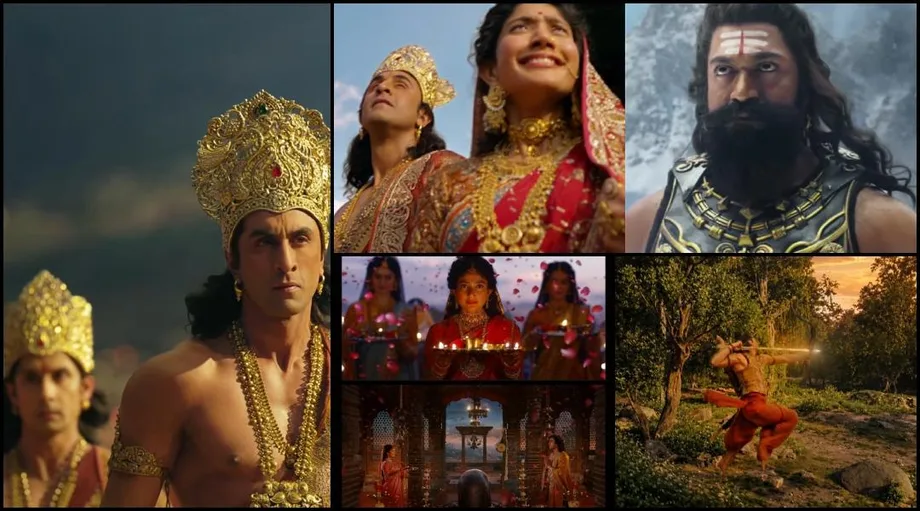
Ranbir Kapoor plays Rama, Sai Pallavi plays Sita and Yash plays Ravana. Their first appearance together in the opening instalment will now be followed by a gap of roughly two years before the next chapter, rather than the one year originally planned.
Malhotra's explanation goes beyond a change of date. The production has expanded its international ambitions, created two master versions of the first film and revisited how the epic should be divided between releases. An English version required changes to the Hindi script and a separate edit, rather than simply replacing the spoken dialogue.
The current plan remains two films. Malhotra has also left room to reconsider the structure after audiences respond, including whether another instalment would be useful. For viewers, the immediate change is straightforward: the first film's release stays in place, while the conclusion moves a year further away.
Why Malhotra wants another year
In an interview with E! News, Malhotra said the scale of the project and the expectations surrounding the first film persuaded the team to allow more time for the second. His stated priority is to give the finale the treatment he believes the story deserves, rather than complete it against the earlier deadline.
The producer described the sequel as a different and more expansive story than the opening instalment. Speaking to E! News, Malhotra explained why he supported the additional year:
That extra year is what I genuinely believe we need to do justice for a film of this size. When you see part 2 coming in, that will be a whole other story. We didn't want to do a rush job or get ahead of ourselves. We want to deliver the finale in the most grand way that it deserves.
His explanation connects the delay to the finished film's scale and presentation. The second instalment carries the task of delivering the central rescue and battle narrative, while also completing the dramatic journey established in Part 1.
What happens next, and when
November 5, 2026, remains the date for the first film, also described as Ramayana: Rise of a Legend – Part One. The revised schedule changes the sequel's year while keeping the opening film's announced cinema launch intact.
The project's main planning stages are:
- Initial development: the filmmakers considered telling the story in three parts.
- Revised structure: the story was reorganised into two films.
- November 5, 2026: Part 1 is scheduled to open worldwide.
- Diwali 2027: the previous release window for Part 2.
- Diwali 2028: the revised release window for Part 2.
The move stretches the planned interval between the films from approximately one year to approximately two. Audiences will therefore have longer to wait for the events reserved for the sequel, including Rama's confrontation with Ravana.
Why the English version needed its own edit
In an interview with Review Nation, Malhotra said Ramayana began with the aim of taking an Indian film to viewers around the world. During production, that ambition developed into preparing two master versions, including an English presentation with its own script adjustments and editing. He also discussed the two master versions and the English version's separate edit and rewritten Hindi script in his interview with E! News.
A master version is a completed version of a film from which cinema releases can be prepared. Dubbing usually replaces dialogue in another language while keeping the same sequence of images. A separate edit allows the filmmakers to change how scenes and dialogue fit together, including the rhythm at which information reaches the audience.
For Ramayana, the English version involved rewriting parts of the original Hindi script and editing the film again. Malhotra said the aim was to present that version in its own form, allowing international viewers to follow the story through a presentation prepared for them.
The work adds another creative task to an already large production. The team must consider how the story plays in Hindi and English, rather than treating the second language solely as a final sound recording exercise. Malhotra has also said the makers may consider different versions for different audiences or a common version for everyone.
How the story is divided between the films
Part 1 is expected to centre on the young Rama and his brothers Lakshmana, Bharata and Shatrughna. That places the opening film's attention on the characters and relationships that precede the later rescue mission and war.
Part 2 is expected to cover Sita's abduction by Ravana, Rama's effort to bring her back and the conflict in Lanka that ends with Ravana's defeat. Those events give the sequel a different dramatic shape, moving from the earlier family story toward a rescue and a military confrontation.
Malhotra's description of a larger finale fits that division. The first film introduces the central figures and their world; the second carries the events that resolve the principal conflict. The additional production year is therefore attached to the instalment expected to deliver the epic's decisive action.
Could two films become three again?
Malhotra said the filmmakers originally considered a trilogy, meaning a story told across three films, before deciding on two parts. That earlier structure remains relevant because he has left open the possibility of reconsidering the plan after audience feedback.
The producer said viewers' response could guide changes to the sequel and the franchise's direction. The team will consider how audiences receive the first film when deciding what to adjust and whether further instalments are needed.
A third film is therefore a possibility under discussion, while the announced structure remains two parts. The next practical step is the release of Part 1 and the audience response that follows. Decisions about expanding the series would come after that response, rather than forming part of a confirmed trilogy schedule.
The cast carrying the two chapters
Tiwari directs an ensemble led by Kapoor as Rama, Pallavi as Sita and Yash as Ravana. Sunny Deol plays Hanuman, while Ravi Dubey plays Lakshmana, connecting the leading trio with other central figures in the epic.
Kajal Aggarwal, Rakul Preet Singh, Lara Dutta and Arun Govil are also listed among the cast. Rakul Preet Singh is identified with the role of Surpanakha. The breadth of the ensemble reflects a story built around families, allies and adversaries across its two planned chapters.
Actor Allu Arjun has also offered the team wishes for the film's success on X ahead of the November 5 opening. Advance screenings in Mumbai and the United States have been described as receiving positive reactions, alongside enthusiasm for the songs and trailer. The worldwide cinema release will bring the film before a much broader audience.
A large budget, with the finale still taking shape
A budget of approximately 4,000 crore rupees, equivalent to 40 billion rupees, has been reported in connection with Ramayana. The figure has been attached both to Part 1 and to the wider project, leaving the allocation between instalments unclear.
Malhotra's account identifies several demands on the production: the scale of the finale, the preparation of distinct language versions and the possibility of revisions after audience feedback. Together, they explain why the release calendar, the editing process and the final structure are being considered alongside one another.
For audiences, the most concrete commitments remain November 5, 2026, for the opening film and a Diwali 2028 window for its sequel. The filmmakers are giving themselves more time to complete the conclusion while keeping options open about how the story is presented to different viewers.
Key Points
- Ramayana Part 2 has moved from Diwali 2027 to a planned Diwali 2028 release.
- Part 1 remains scheduled for November 5, 2026, with Nitesh Tiwari directing.
- Namit Malhotra says the extra year will give the finale more production time.
- The first film has two master versions; the English version required script changes and a separate edit.
- Part 1 focuses on young Rama and his brothers, while the sequel covers Sita's abduction and the conflict with Ravana.
- Two films remain the plan, with a possible third instalment subject to later consideration and audience feedback.