Earlier Protection Against Abuse Without Physical Violence
South Korea is seeking to add nine categories of controlling behavior to its stalking law, including tracking someone's location without consent, demanding passwords, threatening pets and forcing a former partner to resume a relationship. The Justice Ministry announced the proposal on November 3, 2026, saying it would allow authorities to intervene before abuse escalates into physical violence.
Contents
- Earlier Protection Against Abuse Without Physical Violence
- What Would Count as Stalking?
- Digital Surveillance Moves Into Focus
- Pressure Can Reach Families, Workplaces and Pets
- What Protection Could Authorities Use?
- Penalties and the Victim's Wishes
- The Killing and Police Data Behind the Review
- How the Proposal Reached Parliament
- Turning New Definitions Into Protection
- Key Points
The amendment, proposed on October 26, would expand the definition of stalking in Article 2(1) of the Act on Punishment of Crime of Stalking. Repeated or persistent conduct covered by the expanded definition could carry up to three years in prison or a fine of 30 million won, about $22,400. Cases could proceed even when a victim says they do not want the offender punished.
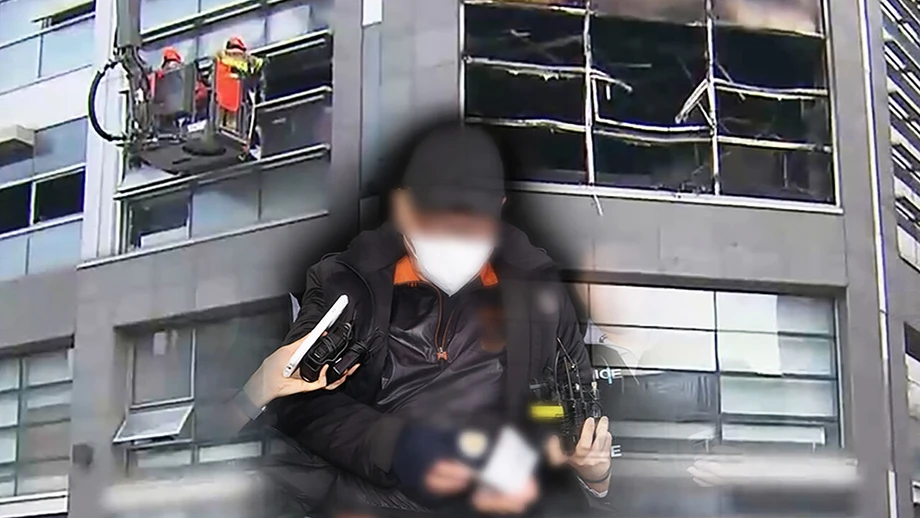
The proposal follows a March killing in Namyangju, Gyeonggi Province, in which a woman was murdered by an offender who was wearing an electronic tracking device and was already subject to an approach ban. The case brought scrutiny of both the response to earlier stalking complaints and the practical protection offered by existing orders.
The ministry's central aim is to make certain warning signs grounds for earlier protective action. Coercive control means using a pattern of surveillance, threats or restrictions to dominate another person's daily life. Under the proposal, authorities could use stalking protections against specified forms of that behavior before an assault or injury occurs.
What Would Count as Stalking?
The law, enacted in 2021, does not currently identify the nine proposed categories as distinct stalking acts. The ministry says this leaves investigators with limited room to act when controlling conduct falls outside existing stalking definitions and does not amount to another offense, such as assault.
The amendment would add the following categories, with examples describing how control can operate within or after a relationship:
- Relationship coercion: forcing someone to enter, maintain or resume a relationship, including after a breakup.
- Unauthorized location tracking: installing or operating a tracking device or program without the other person's consent.
- Announcing surveillance: telling someone they are being watched.
- Digital control: forcing someone to provide information such as passwords, or accessing their social media accounts without authority.
- Interference with social relationships: spreading, or threatening to spread, false information or private details to a workplace or school.
- Control through private information: threatening to disclose personal information learned during a relationship.
- Threats and intimidation: harming or threatening the victim or people close to them, including family members.
- Threats to pets: harming or threatening an animal kept by the victim.
- Isolation: using deception or a position of power to restrict contact with family, friends or colleagues.
The proposed criminal punishment concerns behavior carried out repeatedly or persistently. The change would give investigators more clearly defined acts to assess when deciding whether a pattern of conduct amounts to stalking.
Digital Surveillance Moves Into Focus
Tracking devices, monitoring programs and social media accounts feature prominently in the proposal. The ministry's examples include installing location tracking technology without consent, demanding passwords and entering accounts without permission to view or obtain information.
A person's location can reveal where they work, whom they meet and when they are alone. Access to an account can expose private conversations and social connections. The amendment would address the use of those tools to watch or control another person, including when the surveillance happens without physical contact.
The proposal also treats announcing surveillance as a category of conduct. Telling someone they are being watched can itself be a means of intimidation, affecting whether they feel able to travel, meet others or leave a relationship. By listing that behavior separately from location tracking, the amendment addresses both the monitoring and the fear communicated to the victim.
Pressure Can Reach Families, Workplaces and Pets
Threats under the proposed definition could extend beyond the person being stalked. The amendment includes harm or threatened harm to the life, body or property of someone close to the victim, such as a family member. That would allow authorities to consider intimidation directed through people the victim cares about.
Pets would receive explicit attention too. The conduct described includes capturing, injuring or killing another person's pet, as well as threatening such acts. The ministry treats threats against animals as a way of creating fear indirectly and exerting pressure on their owners.
Workplaces and schools are another focus. Spreading false claims or private information there, or announcing an intention to do so, would fall within the proposed category of interference with social relationships. A separate category covers threats to disclose private details learned while dating.
Isolation would cover restricting or cutting off communication with relatives, friends and colleagues through deception or the misuse of status or power. Together, these provisions address ways an offender can pressure a person through their relationships, reputation and access to support, even without a physical confrontation.
What Protection Could Authorities Use?
The Justice Ministry says the expanded definition would make existing protective tools available earlier in cases involving the newly listed conduct. Those tools include an order barring an alleged offender from coming within 100 meters of the victim, restrictions on contact through telecommunications and electronic location monitoring.
These are provisional measures, meaning protections used while a case is being handled rather than punishment imposed after a conviction. A distance restriction addresses physical proximity, while a telecommunications restriction addresses contact by phone or other electronic means. Electronic monitoring allows authorities to track the person subject to the measure.
For victims, the intended change is concrete: a pattern of unauthorized tracking, threats or forced account access could provide grounds for seeking protection at an earlier stage. Investigators would have express categories in the stalking law to apply when assessing the conduct.
The Namyangju killing also places attention on how orders are enforced. The offender in that case was already subject to an approach ban and electronic monitoring. Alongside the legal amendment, the ministry plans to revise practical standards for investigations and provisional measures, making implementation a central part of its response.
Penalties and the Victim's Wishes
Repeated or persistent stalking under the expanded definition could bring a maximum prison term of three years or a fine of up to 30 million won. When a weapon is involved, the stalking law provides for a higher maximum of five years in prison or a fine of 50 million won.
Those figures are upper limits. A court determines the punishment in an individual case. The main change proposed here concerns the conduct recognized by the law, bringing additional forms of control within the stalking framework.
Stalking cases can already proceed regardless of whether the victim wants punishment. The ministry says that rule would also apply to cases involving the newly defined acts. A victim's statement that they do not want the offender punished therefore would not automatically end an investigation or prosecution.
That provision matters in cases where pressure continues during the legal process. A person who has been threatened or controlled may face further demands to withdraw a complaint or oppose punishment. Authorities would retain the ability to pursue the case.
The Killing and Police Data Behind the Review
A 27-year-old woman's stalking and murder in Namyangju in March prompted a review of the response to violence within intimate relationships. Police faced criticism over their handling of reports concerning the 44-year-old suspect before the killing.
The Justice Ministry subsequently led a task force involving the Ministry of Gender Equality and Family, police and prosecution authorities. Its work included discussions on stronger stalking responses and the legal treatment of violence and control in dating relationships.
National Police Agency figures released in October added urgency to that work. The agency said 19.7 percent of murder suspects since 2023 had previously committed domestic violence, dating violence, stalking or sexual violence. That is nearly one in five suspects across those four categories.
The figure places stalking within a wider group of offenses involving prior violence or abuse. The government's response has combined a proposed expansion of criminal conduct with plans to improve protective decisions and links to victim support.
How the Proposal Reached Parliament
The amendment follows several months of government work after the Namyangju case. A package announced in July identified legislation on punishment for dating violence and protection for victims as a central task.
- 2021: South Korea enacted the Act on Punishment of Crime of Stalking.
- March 2026: The Namyangju stalking murder prompted renewed scrutiny of police responses and victim protection.
- July 2026: The government announced measures to strengthen its response to stalking and dating violence.
- October 26, 2026: The amendment adding nine categories of conduct was proposed.
- November 3, 2026: The Justice Ministry announced details and said it would support passage during the current regular National Assembly session.
The ministry said it would participate actively in National Assembly deliberations and provide support for passage during that session. The proposal remains subject to legislative consideration; no date for a vote or for the changes to take effect was given.
Turning New Definitions Into Protection
The Justice Ministry plans to work with police and prosecution authorities on investigation standards and the use of provisional measures. It also intends to coordinate with agencies responsible for victim support so that the revised law can operate in practice once it takes effect.
The nine categories give that work a more detailed starting point. Investigators assessing a complaint could examine alleged tracking, account access, threats to disclose private information and restrictions on contact with others as parts of a continuing pattern.
For people experiencing such conduct, the proposed change is an earlier route to protection through the stalking law. Its practical results would depend on recognizing the behavior, making timely protective decisions and responding when restrictions are breached, all areas brought into focus by the Namyangju killing.
Key Points
- South Korea has proposed adding nine categories of controlling behavior to its stalking law.
- The categories include unauthorized tracking, digital control, relationship coercion, threats to pets and isolation.
- Repeated or persistent conduct could carry up to three years in prison or a fine of 30 million won.
- Existing protections include a 100-meter approach ban, telecommunications restrictions and electronic monitoring.
- Cases can proceed even when a victim says they do not want punishment.
- The ministry seeks passage during the current regular National Assembly session and plans new practical guidance for investigators.