A pause for the people guarding the show
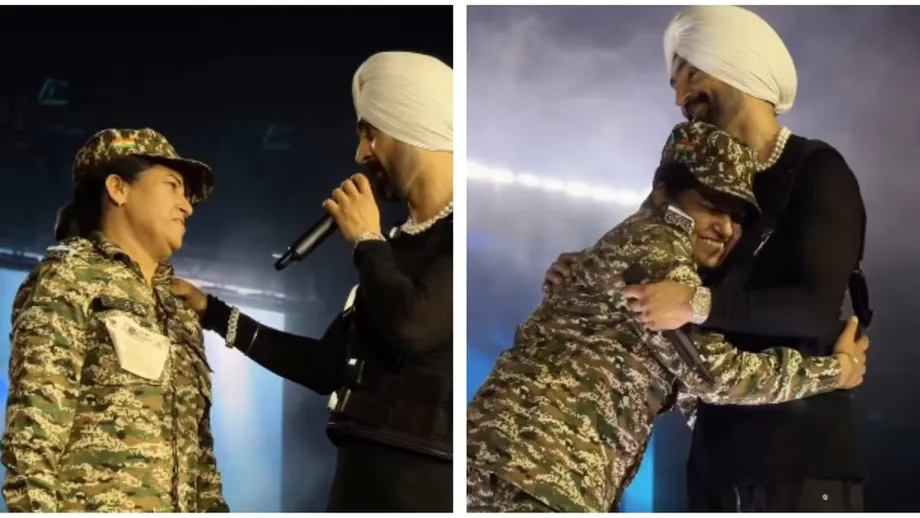
Diljit Dosanjh stopped his sold out concert at Delhi's Jawaharlal Nehru Stadium on Friday, October 30, 2026, to invite a woman officer from the Central Reserve Police Force onto the stage. He hugged her, gave her a gift and saluted her, telling the audience that she reminded him of his mother.
Contents
- A pause for the people guarding the show
- Why the officer reminded him of his mother
- How the concert received permission
- The dates behind the uncertainty
- Rain added another problem
- A complaint sought limits on songs and children
- Dosanjh revisited criticism over student protests
- An apology and a defiant response
- A mixed experience on the concert ground
- Key Points
The exchange came during the opening performance of his Aura India Tour, an event that had faced an initial refusal of police permission, complaints about song lyrics and rain that left the stage wet. Hundreds of security personnel were deployed, and traffic restrictions were in place around the concert.
Dosanjh asked fans to applaud the personnel helping protect the gathering. Addressing the officer, he connected their work to the sense of safety that made the performance possible.
"Give her a big round of applause. If you are not here, we can't feel safe. You have given us a lot. Thank you so much," he said.
The singer later thanked Delhi Police, the CRPF, the Delhi Metro Rail Corporation and organiser BookMyShow Live. His praise followed days of uncertainty over whether the show would receive clearance, and came alongside a more defiant message to people he said had tried to stop it.
Why the officer reminded him of his mother
Dosanjh gently rested his hand on the officer's head during the exchange. He told her that he sees his mother only once or twice a year, making the encounter a personal moment within a large stadium performance.
The singer explained that his mother had called earlier that day to ask him to take care of himself. Speaking to the officer, he described the connection he felt when he saw her on duty.
"I get to meet my mother once or twice a year. But when you were standing there, I thought my mother was standing there," he told her.
Fans cheered as he honoured her. The CRPF is a central police force, separate from Delhi Police, whose personnel were also helping with security at the event. Dosanjh thanked both organisations during the concert and afterwards.
How the concert received permission
Delhi Police initially rejected the concert application on October 22. The office of the Deputy Commissioner of Police for the South District cited specific security inputs and the demands of maintaining law and order during the festive season.
For organisers, that meant the planned performance needed further agreement on how the venue and surrounding area would be managed. Senior police officers and the organisers held several rounds of meetings before permission was granted.
BookMyShow Live submitted a revised plan covering security, traffic and crowd management. Those arrangements concern different parts of the same event: protecting people inside the venue, managing their movement through entrances and gathering areas, and handling vehicles outside.
Police subsequently cleared the show. During the performance and his later Instagram Live session, Dosanjh credited the personnel on duty with helping him take the stage. His comments about the arrangements were especially pointed because the permission process had put the opening night in doubt.
The dates behind the uncertainty
The concert's difficulties developed across more than two weeks. A complaint about songs preceded the police refusal, while a further request for restrictions followed it.
- October 14: Professor Dr. Panditrao Dharennavar filed a complaint with the Delhi Commission for Protection of Child Rights about some of Dosanjh's songs.
- October 22: Delhi Police rejected the concert application, citing security inputs and festive season duties.
- October 27: Dharennavar wrote to Delhi Police seeking restrictions on specified songs and on children being invited onto the stage.
- Before October 30: Organisers secured clearance after submitting a revised security, traffic and crowd management plan.
- October 30: Dosanjh performed at Jawaharlal Nehru Stadium and honoured the woman CRPF officer.
- After the performance: Dosanjh discussed the difficulties during an Instagram Live session and thanked the teams involved.
The Delhi performance was the first of eight concerts scheduled for the Aura India Tour. Seven more performances remained after the opening night.
Rain added another problem
Delhi's weather complicated preparations even after the permission issue was resolved. Two days of intermittent showers left the stage wet, and rain threatened the performance.
Dosanjh said afterwards that he had prayed for the rain to stop for three or four hours so the concert could proceed. He ultimately performed for more than two hours.
Speaking in Punjabi during his Instagram Live session, the singer described the difficulty of getting the opening show completed.
We did the Delhi concert. It was tough. A lot of people tried to stop it, but we still did it.
Dosanjh did not identify everyone he believed had tried to stop the concert. He spoke more broadly about the problems he encounters when beginning shows in India, while thanking the police and CRPF for their work on the night.
A complaint sought limits on songs and children
Dharennavar's October 14 complaint alleged that some of Dosanjh's songs glorified alcohol, drugs and weapons. He asked the Delhi Commission for Protection of Child Rights to consider possible effects on children's mental health and behaviour.
In his October 27 letter to Delhi Police, he sought restrictions on "Patiala Peg", "5 Taara Theke" and "Jeb Vichon Feem Labbiya". He also asked that changing the words should not allow those songs to be performed.
The complaint sought to prevent children from being invited onto the stage and raised concerns about loud sound and flashing lights. No decision on those specific requests was given in the accounts of the concert.
Children were among the fans invited onto the stage during the evening. Dosanjh also interacted with older supporters, posed for photographs and handed out gifts, making audience participation a recurring part of the show.
Dosanjh revisited criticism over student protests
The Delhi concert also became a platform for Dosanjh to address criticism linked to student demonstrations. The dispute began after the Cockroach Janta Party, or CJP, organised protests over an alleged leak of the NEET examination paper. NEET is an entrance examination for medical study in India.
During an Instagram Live session in early July, a fan asked whether Dosanjh would join the demonstrations at Jantar Mantar in Delhi. He distanced himself from protest politics, saying he was an artist rather than a political leader.
CJP founder Abhijeet Dipke subsequently criticised him. On July 12, when Punjabi singer Kaka visited the protest, Dipke made remarks about artists supporting demonstrators and films being banned. Those comments were understood as a reference to Dosanjh and the restrictions surrounding his film about activist Jaswant Singh Khalra.
At the Delhi concert, Dosanjh returned to the dispute without directly naming his critic. He told the audience that his affection for people came through his work as an artist.
"I love all of you because I am an artist, bro. I am being quiet, so let me stay quiet. I support all of you," he said.
He then told listeners in Punjabi not to teach Punjabis how to fight their battles and referred to the long struggle to make the film about Khalra.
An apology and a defiant response
Dipke later apologised in a public post. He said his criticism came from disappointment in someone he respected, rather than a personal grievance. He also said he remained a fan and had attended Dosanjh's Chicago concert in May before returning to India.
Dipke asked Dosanjh to forgive him as a younger brother, saying a disagreement or misunderstanding had not reduced his respect or affection for the singer.
Dosanjh's Instagram Live session after the Delhi show carried a firmer message about his career. He said he had worked for 25 years and would decide for himself when to stop.
"I've been working here for 25 years. I'll stop only when I want to. I won't stop before that," Diljit added.
The praise for security personnel came against a tense backdrop in Delhi. Clashes during protests at Jantar Mantar and a CJP march towards Parliament in July had prompted allegations of excessive police force. Police personnel, including women officers, were also reported to have faced assaults and misbehaviour during crowd control duties.
A mixed experience on the concert ground
Dosanjh's gratitude for the arrangements was accompanied by a less comfortable description from a concertgoer in the Gold standing area. The attendee described difficulty seeing the singer, with the screens offering limited help from that position.
The same attendee described pushing, jostling, fights and people who appeared intoxicated, alongside concerns about the thoroughness of security checks and rubbish left on the ground. The attendee also credited staff with managing a large gathering reasonably well and praised Dosanjh's singing, energy and stage production.
For people buying tickets, visibility and space were practical parts of the evening alongside the performance itself. A place in a standing section could mean watching much of the show through a screen or moving elsewhere to find a better view.
The finale brought the audience's attention above the stadium. Drone formations displayed Punjabi cultural references and the messages "Main Hoon Punjab" and "Panjabi Aa Gaye Oye". The display closed a night that combined a large musical production with personal exchanges, public disagreements and the relief of completing a show that had faced several obstacles.
Key Points
- Diljit Dosanjh opened his Aura India Tour at Delhi's Jawaharlal Nehru Stadium on October 30, 2026.
- He hugged and saluted a woman CRPF officer, saying she reminded him of his mother.
- Delhi Police granted clearance after initially refusing permission and receiving a revised event management plan.
- Rain left the stage wet, but the performance lasted more than two hours.
- Dosanjh addressed criticism over student protests, while CJP founder Abhijeet Dipke later apologised.
- A concertgoer praised the performance but described visibility and crowd behaviour problems in the Gold standing area.
- Seven further India performances were scheduled after the Delhi opening.