Nine million infections and a race to reach untreated patients
Pakistan accounts for about nine million of the world's 47 million hepatitis C infections, according to the World Health Organization, placing the country at the centre of a disease crisis that treatment can cure. WHO estimates that hepatitis B and C together caused 48,715 deaths in Pakistan in 2024, while another 88,199 people acquired hepatitis C that year.
Contents
- Nine million infections and a race to reach untreated patients
- What the hepatitis figures mean
- Unsafe injections and blood transfusions drive transmission
- Finding infections remains a major challenge
- What the national programme promises by 2027
- Patients describe what access to treatment changes
- HIV treatment reaches a minority of estimated patients
- Mental health needs exceed specialist capacity
- The milestones leading to the 2030 goal
- Key Points
The figures sharpen the challenge facing the Prime Minister's National Programme for the Elimination of Hepatitis C Infection, which runs from 2024 to 2027. Its task is to find people who may not know they are infected, connect them with treatment and prevent unsafe medical procedures from passing the virus to others.
WHO's Pakistan hepatitis factsheet 2026 estimates that 9.06 million people had chronic hepatitis C in 2024, equivalent to 3.60% of the population. Another 3.86 million had chronic hepatitis B. Together, the infections affected approximately 12.9 million people, or 5.1% of the population, roughly one person in 20.
The Ministry of National Health Services presented a wider picture of unmet health needs to the National Assembly: 32.4 million people affected by mental health disorders, more than 417,000 living with HIV and only 1,050 registered psychiatrists nationwide. Each condition requires different care, but the figures identify a shared practical problem: reaching patients and keeping them connected to services.
What the hepatitis figures mean
Hepatitis means inflammation of the liver, an organ that processes nutrients and helps remove harmful substances from the blood. Hepatitis B and C are caused by different viruses. A chronic infection persists over time and can cause cirrhosis, meaning severe liver scarring, or liver cancer.
Hepatitis C represented approximately 70% of Pakistan's chronic viral hepatitis infections in 2024 and about three quarters of deaths attributed to hepatitis. Using WHO's rounded international figures, Pakistan's nine million infections account for about 19% of the global total of 47 million, nearly one in five.
WHO identifies Pakistan as having the world's largest hepatitis C caseload. A tenth place ranking also appeared in figures attributed to the ministry, alongside a lower hepatitis B estimate of 3.086 million. WHO's detailed 2026 factsheet gives 3.86 million for hepatitis B and its July 2026 statement explicitly places Pakistan first for hepatitis C.
The distinction between the two viruses matters for prevention and treatment. Hepatitis C can be cured with antiviral medicines. Hepatitis B can be prevented through vaccination, while antiviral treatment can control infection and reduce the risk of serious liver damage.
Unsafe injections and blood transfusions drive transmission
WHO attributes much of Pakistan's hepatitis C burden to historical transmission during health care, particularly the reuse of needles and unsafe blood transfusions. Its World Hepatitis Day statement, dated 28 July 2026, identifies unregulated private blood banks and gaps in universal blood screening among the risks.
Contaminated equipment used during surgery, dental care, body piercing, tattooing and shaving can also transmit infection. These activities share a mechanism: infected blood can reach another person when instruments are reused without proper sterilisation or when blood intended for transfusion is inadequately screened.
Pakistan recorded an estimated 15,737 new hepatitis B infections and 88,199 new hepatitis C infections in 2024. Hepatitis C therefore accounted for about 85% of new infections across the two viruses, calculated from WHO's figures. Treatment must be accompanied by safer procedures if the country is to reduce the number of people newly infected.
For hepatitis B, WHO calls for newborn vaccination within 24 hours of birth. Pakistan's policies also support screening pregnant women, preventive antiviral medicines for eligible women with hepatitis B and hepatitis B immunoglobulin for exposed newborns. Immunoglobulin supplies antibodies that provide immediate protection.
Finding infections remains a major challenge
Only three in 10 people affected by hepatitis C know they have it, according to WHO's July 2026 statement. Many people therefore remain outside the route from testing to treatment, even though medicines capable of curing the infection are available.
WHO's factsheet records approximately 1.94 million people as having ever been diagnosed with hepatitis C by 2024, while more than 2.47 million had ever started curative treatment. Those cumulative figures require care when assessing current services: they count past diagnoses and treatment starts, while the 9.06 million estimate describes people living with chronic infection in 2024. The factsheet does not explain why the treatment total exceeds the recorded diagnosis total.
Hepatitis B services face a substantial gap too. Approximately 996,654 people had ever been diagnosed by 2024, and 140,000 had ever started antiviral treatment. WHO puts treatment initiation at 14% of those diagnosed.
WHO identifies limited financing for tests, diagnostic services and medicines as continuing constraints. Confirmatory diagnosis and treatment also remain insufficiently available through primary health care. Bringing those services closer to communities would reduce the number of separate visits and journeys patients need to complete before receiving care.
What the national programme promises by 2027
The Prime Minister's programme makes free screening, testing and treatment central to Pakistan's response. WHO's 2026 factsheet describes an objective of reaching 100% of the eligible population aged 12 and above through a phased approach during the programme covering 2024 to 2027.
WHO's testing and treatment account, published on 3 August 2025, gives a more specific operational target: testing 82.5 million people, described as 50% of the eligible population, and treating five million by 2027. The programme therefore has both a broad commitment to access and a stated numerical target for delivery.
Lawmakers were also told that 67.77 billion Pakistani rupees had been approved for the programme covering July 2024 to 2027. The federal government is to meet 51% of costs and the provinces 49%. That division makes delivery dependent on coordination between national and provincial authorities.
Pakistan updated its national hepatitis C treatment guidelines in 2024. For hepatitis B, WHO says the country has yet to adopt national treatment guidelines and currently relies on the organisation's 2024 guidance. WHO is supporting national and provincial plans, treatment protocols, surveys and focused elimination projects in particular communities.
Patients describe what access to treatment changes
WHO's August 2025 account describes 30,000 people from disadvantaged areas of Islamabad Capital Territory being tested at the Federal Government Civil Dispensary over the preceding five years. The service used WHO protocols and guidance, providing a concrete example of how national ambitions can translate into care at a local facility.
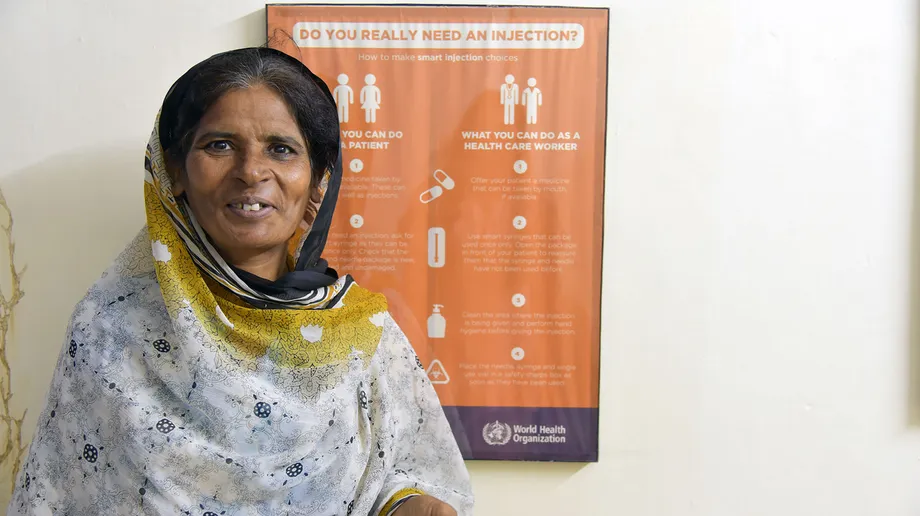
Safina Saqib, a patient described by WHO as fully recovered from hepatitis C, urged others to seek testing:
Hepatitis C is a deadly disease; everyone should get tested,
Surayya, another hepatitis C survivor featured by WHO, described both her illness and her recovery after receiving treatment:
I had hepatitis C and was worried because I couldn't walk due to pain. Then I got treated at the facility and now I am doing well. Now, I tell everyone in my neighbourhood to get tested and treated.
These experiences show what the programme is trying to make possible on a much larger scale: a person gets tested, receives a diagnosis, starts treatment and returns to daily life with better health. WHO's priorities include connecting hepatitis services with HIV care, maternal and child health services and primary health care so patients can obtain more of their care in the same system.
HIV treatment reaches a minority of estimated patients
The ministry told the National Assembly that more than 417,000 people in Pakistan were living with HIV, citing WHO estimates. Of these, 92,148 were registered with the relevant authorities and 67,878 were receiving antiretroviral therapy. These medicines suppress HIV, protect the immune system and help people live longer, healthier lives.
Against the estimate of 417,000 people, registration amounts to roughly 22%, while the number receiving treatment is approximately 16%. Among registered patients, about 74% were receiving therapy. Reaching people outside registered services is therefore a major part of expanding treatment access.
Annual new HIV infections increased from around 16,000 in 2010 to 48,000 in 2024, a threefold rise. Screening also expanded, from 37,944 tests in 2020 to 374,000 in 2025, nearly ten times as many. Tests count screening activity; the infection estimate measures how many people acquire the virus during a year.
The ministry recorded 3,900 children registered as HIV positive between January 2025 and June 2026. Sindh accounted for 1,915 and Punjab for 1,765, together representing about 94% of registrations. Khyber Pakhtunkhwa recorded 139, Balochistan 46, Islamabad 30, Azad Jammu and Kashmir four, and Gilgit-Baltistan one. These figures record when children entered the register, rather than when each infection occurred.
Mental health needs exceed specialist capacity
Pakistan's estimated number of people affected by mental health disorders increased from 30 million in 2019 to 32.4 million in 2023. That is an increase of 2.4 million, or 8%, over four years. More than 300,000 people in Islamabad were affected, according to the ministry's figures.
The country has 1,050 registered psychiatrists, approximately one for every 245,000 residents. Psychiatrists are medical doctors trained to diagnose and treat mental health conditions. The population ratio describes the availability of these specialists across the country, including people who do not currently need mental health treatment.
Provincial figures associated with the Pakistan Health Workforce Survey 2026 list 406 registered psychiatrists in Punjab, 228 in Sindh, 122 in Khyber Pakhtunkhwa and 44 in Balochistan. Those four totals add up to 800. The geographical distribution of the remaining 250 in the national total was not given.
For families, limited specialist availability can mean travelling farther or waiting longer for assessment and continuing care. The figures also show why the response cannot be judged solely by the number of patients identified: services need enough trained people to provide treatment after a diagnosis.
The milestones leading to the 2030 goal
Pakistan's immediate programme deadline is 2027, while WHO's wider goal is to end hepatitis as a public health problem by 2030. The dates set a short timetable for expanding testing and treatment while improving safety in the places where transmission occurs.
- 2019 to 2023: The estimated number of people affected by mental health disorders rose from 30 million to 32.4 million.
- 2024: WHO estimates Pakistan had 12.9 million chronic hepatitis B and C infections and 48,715 associated deaths. National hepatitis C treatment guidelines were updated.
- July 2024 to 2027: The approved national hepatitis C programme period, supported by federal and provincial financing.
- 3 August 2025: WHO described programme targets of testing 82.5 million eligible people and treating five million by 2027.
- January 2025 to June 2026: Authorities registered 3,900 children living with HIV.
- 28 July 2026: WHO renewed its support for Pakistan's hepatitis response on World Hepatitis Day.
- 2030: The international target year for ending hepatitis as a public health problem.
WHO estimates that hepatitis B and C caused 1.34 million deaths worldwide in 2024, with more than 4,900 new infections every day. Pakistan's share of hepatitis C infections makes progress there central to the international effort. The practical priorities are already identified: safer injections and blood supplies, newborn hepatitis B vaccination, accessible diagnosis and uninterrupted treatment.
Key Points
- WHO estimates Pakistan had 9.06 million chronic hepatitis C infections and 3.86 million chronic hepatitis B infections in 2024.
- Hepatitis B and C caused an estimated 48,715 deaths in Pakistan in 2024.
- The national hepatitis C programme includes targets to test 82.5 million eligible people and treat five million by 2027.
- More than 417,000 people were estimated to be living with HIV; 67,878 were receiving antiretroviral therapy.
- Authorities registered 3,900 children living with HIV between January 2025 and June 2026.
- Pakistan had an estimated 32.4 million people affected by mental health disorders and 1,050 registered psychiatrists.