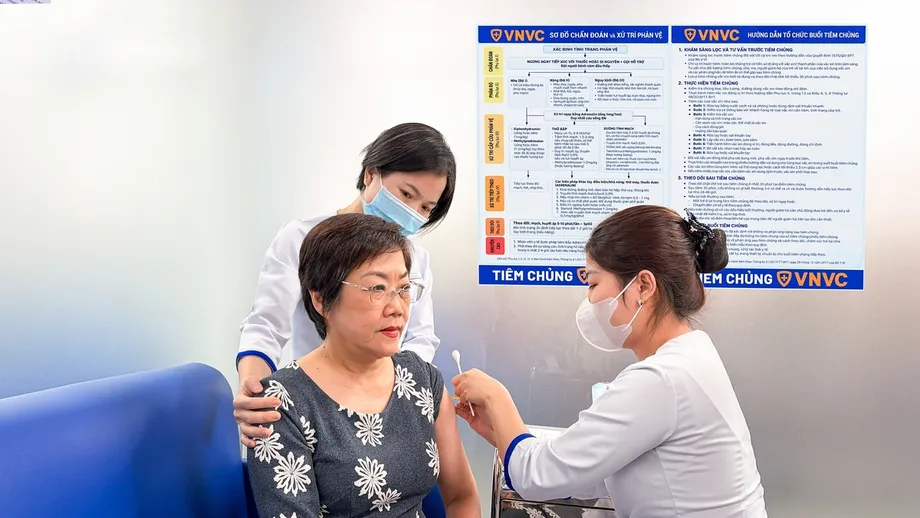
A new vaccination option at nearly 300 centers
Vietnam has introduced a Sanofi flu vaccine for adults aged 60 and older, with VNVC beginning vaccinations at nearly 300 centers nationwide on October 30, 2026. The vaccine contains four times the antigen dose of a standard flu shot and targets a population that Sanofi Vietnam Medical Director Kuharaj Mahenthiran puts at about 17 million people.
Contents
- A new vaccination option at nearly 300 centers
- What four times the antigen means
- How much additional protection was reported?
- Vietnam's hospital data show the burden
- Why heart disease and diabetes matter
- Recovery can affect independence
- An aging population increases the stakes
- Doctors are updating prevention advice
- What older adults can discuss with a clinician
- Key Points
The launch comes as doctors describe increasing influenza A infections and hospital admissions involving older people. For someone living with asthma, diabetes or heart disease, flu can mean more than several days of fever and coughing. It can trigger breathing difficulties, disturb blood sugar control or worsen an existing heart condition.
Sanofi, the French pharmaceutical company, developed the vaccine to improve protection in older adults, whose immune systems generally respond less strongly to vaccination. The formulation offered by VNVC covers three seasonal influenza strains: A/H1N1, A/H3N2 and B/Victoria. Its composition is updated annually according to World Health Organization recommendations.
Hundreds of registrations and vaccinations were recorded across the VNVC network in the first hours of the rollout. Early recipients included older adults with chronic illnesses, doctors and representatives of the Vietnam Association of the Elderly.
The launch took place during Vietnam's Month of Action for Older Persons. VNVC linked it to Politburo Resolution 72-NQ/TW, which calls for stronger disease prevention and improvements in public health. For families, the immediate change is another vaccination option intended specifically for older relatives.
What four times the antigen means
Bach Thi Chinh, VNVC's medical director, described the product as an inactivated vaccine made from split influenza viruses. Inactivated means the viruses have been rendered unable to reproduce. Antigens are the parts that the immune system learns to recognize, helping it prepare a defense against a later infection.
The larger antigen dose is intended to produce a stronger immune response in people whose defenses have weakened with age. This process, often called immune aging, can make infections harder to fight and reduce the response to a standard vaccine.
Chinh said standard flu vaccines remain important. The new formulation gives clinicians another option for adults aged 60 and older, particularly those with underlying illnesses that increase their risk of complications.
Tran Quang Binh, medical director of Tam Anh Hospital in Ho Chi Minh City, explained at a medical seminar that the higher antigen content is intended to improve the immune response in older people. The practical aim is better protection against illness and fewer serious outcomes requiring hospital treatment.
How much additional protection was reported?
A large clinical trial found that the vaccine was 24.2% more effective at preventing flu than a standard dose vaccine. Analyses in Denmark and Spain also recorded a 32% greater reduction in the risk of hospitalization for flu.
Both figures describe an improvement relative to standard vaccination. For example, a relative reduction of 24.2% means roughly one quarter fewer cases than occurred in the comparison group receiving a standard vaccine. The number of people who benefit in any season also depends on how much flu is circulating and how closely the vaccine matches circulating viruses.
The hospital analyses also recorded reductions in admissions for cardiovascular and respiratory illnesses, as well as admissions from all causes. Those outcomes matter for older adults because flu can worsen conditions affecting organs beyond the lungs.
More than 360 million doses had been used worldwide by September 2025. Health authorities in more than 25 countries, including the United States, Canada, France and Germany, recommend flu vaccines with a higher antigen dose for older adults. National recommendations use their own age thresholds.
Vietnam's Preventive Medicine Association and its cardiology association have also recommended this approach for older people. The rollout brings that option into VNVC's network for people from age 60.
Vietnam's hospital data show the burden
Vietnamese data from 2014 to 2016 recorded an annual hospitalization rate of 207 per 100,000 people aged 65 and older for severe acute respiratory infections associated with influenza. That was about 1.5 times the rate across all ages.
The same body of evidence estimated approximately 34,500 hospitalizations each year among people aged 65 and older for acute respiratory infections associated with flu. Vu Thi Thanh Huyen, secretary general of the Vietnam Geriatrics Association, cited about 34,500 annual admissions among older people during recent medical discussions.
The age group and study period are useful context: these are estimates based on historical data for people aged at least 65, while the newly introduced vaccine is offered from age 60. They provide a measure of the burden that prevention efforts seek to reduce.
International figures show a similar concentration of severe illness in older populations. The US Centers for Disease Control and Prevention estimates that people aged 65 and older account for 50% to 70% of seasonal flu hospitalizations and 70% to 85% of related deaths in the United States.
Worldwide, WHO estimates around one billion seasonal influenza cases annually, including three million to five million severe cases and 290,000 to 650,000 deaths associated with respiratory illness. Those numbers help explain why annual vaccination remains a public health priority.
Why heart disease and diabetes matter
Ngo Quy Chau, president of the Vietnam Respiratory Society and deputy medical director of Tam Anh General Hospital in Hanoi, said more than 95% of older Vietnamese adults have at least one underlying condition, and about 70% have two or three.
Flu can place additional strain on a body already managing several illnesses. Pneumonia and respiratory failure are among the dangers, while people with diabetes can experience difficulty keeping blood sugar within a safe range.
Huyen cited research associating influenza with an almost tenfold increase in heart attack risk and an eightfold increase in stroke risk. The research described the first three days after infection as a period of increased cardiovascular risk. She also cited a 24% higher risk of hospitalization for heart failure and a 74% higher risk of blood sugar complications in people with diabetes.
Historical Canadian data from 1994 to 2000 illustrate how chronic illness can compound the danger. Among adults aged 65 and older, the risk of death from flu was about five times higher in those with chronic heart disease, 12 times higher in those with chronic obstructive pulmonary disease, and 20 times higher in those with both, compared with people without chronic illness.
Chronic obstructive pulmonary disease, or COPD, restricts airflow and makes breathing difficult. An infection that further reduces lung function can leave a person with little reserve to cope. For someone with both lung and heart disease, several health problems may worsen during the same illness.
Recovery can affect independence
Tran Thi Hong Loan, a doctor aged 60 with a history of asthma, received the vaccine at VNVC Hoang Van Thu in Ho Chi Minh City. She described preventing severe illness as a way to preserve her independence and reduce the chance of needing hospital care.
Loan explained her decision in terms of both her medical knowledge and her own health:
As a doctor, I understand the risk of severe complications from flu in older people, especially as I have a history of asthma. Therefore, I proactively got vaccinated as soon as I learned that VNVC had brought this specialized flu vaccine to Vietnam.
Dao Thi Suong, 63, said she receives a flu vaccination each year and feels she has been ill less often. Nguyen Xuan Lap, 67, a standing committee member and head of the care department at the Vietnam Association of the Elderly, and Nguyen Lam, 63, the association's standing vice chairman, were also among the early recipients.
The concern about independence extends beyond the hospital stay. Research cited in discussions of vaccination found that 18% of patients still had reduced physical function 30 days after discharge for flu. Older patients may need help walking, managing daily activities or caring for themselves during recovery.
An aging population increases the stakes
Vietnam is projected to enter the stage described as an aged society in 2036. By 2050, people aged 60 and older could account for more than one quarter of the population. A growing older population means more people living with the combination of immune aging and chronic illness.
Figures presented around the launch put average life expectancy at 74.5 years and healthy life expectancy at about 65 years. The difference is roughly 9.5 years. Healthy life expectancy estimates the years people can expect to live in good health, rather than simply how long they live.
Preventing a serious infection can help protect those years of independence. A hospital admission may interrupt treatment for other conditions, reduce physical strength and increase the amount of care a family must provide after discharge.
Several dates help place the new vaccine in context:
- 2014 to 2016: Vietnamese research recorded elevated rates of severe respiratory hospitalization associated with flu among adults aged 65 and older.
- September 2025: Global use of the vaccine had exceeded 360 million doses.
- October 30, 2026: VNVC began offering the vaccine at nearly 300 centers in Vietnam.
- 2036: Vietnam is projected to enter the stage of an aged society.
- 2050: People aged 60 and older could make up more than 25% of the population.
Doctors are updating prevention advice
More than 1,000 health professionals participated in seminars in Hanoi and Ho Chi Minh City examining influenza complications and prevention for older adults. The Tam Anh Research Institute organized the events, with sponsorship from Sanofi-Aventis Vietnam.
Discussions brought together doctors from several specialties because flu prevention overlaps with the management of heart disease, respiratory illness and diabetes. An older patient may see different specialists for each condition, while a single infection can affect all of them.
The Ministry of Health's Decision 1840/QD-BYT recommends annual influenza vaccination from six months of age. The new vaccine offered by VNVC is directed at the older age group, with the aim of addressing its weaker immune response.
Chau advised older adults to combine annual flu vaccination with suitable nutrition, physical activity and control of underlying illnesses. He also recommended discussing protection against pneumococcal disease, respiratory syncytial virus, shingles, diphtheria, pertussis and tetanus with a doctor.
What older adults can discuss with a clinician
Adults aged 60 and older can review their chronic conditions, previous vaccinations and current health with a clinician when choosing a flu vaccine. For someone with asthma, the discussion can include preventing respiratory flare ups. For someone with diabetes or heart disease, it can include reducing the chance that an infection disrupts management of that condition.
The launch information did not specify the price, insurance coverage or arrangements for access beyond VNVC's network. Those practical details will affect how readily older people can use the new option.
Annual vaccination remains central because influenza viruses change and the vaccine composition is reviewed each year. The new formulation adds a choice designed around older immune systems, while continuing care for chronic illness remains part of protecting patients from severe flu.
Key Points
- VNVC began offering Sanofi's flu vaccine for adults aged 60 and older on October 30, 2026, at nearly 300 centers.
- The vaccine contains four times the antigen dose of a standard shot and covers A/H1N1, A/H3N2 and B/Victoria.
- A large trial found 24.2% greater protection against flu than standard vaccination; analyses in Denmark and Spain recorded a 32% greater reduction in flu hospitalization risk.
- Vietnamese research from 2014 to 2016 estimated about 34,500 annual hospitalizations associated with flu among people aged 65 and older.
- Doctors recommend annual flu vaccination alongside management of chronic illness, appropriate nutrition and physical activity.