Provincial Markets Lead the Expansion Search
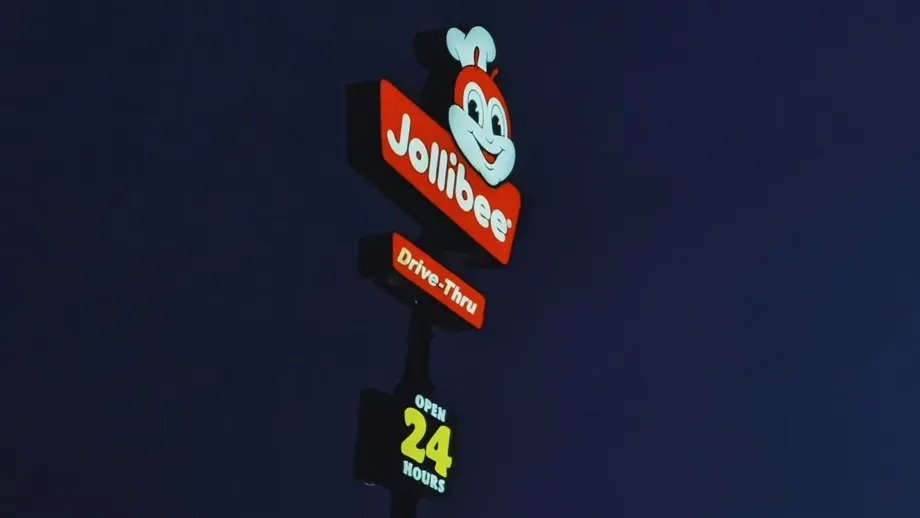
Jollibee Foods Corp. has identified more than 1,500 potential trade areas across the Philippines for expansion from 2027 to 2030, with about 71% outside Metro Manila. The company is concentrating its search on opportunities for Jollibee, Mang Inasal and Chowking, three brands that together generated nearly 90% of its Philippine systemwide sales in the first half of 2026.
Contents
- Provincial Markets Lead the Expansion Search
- What the 71% Provincial Share Means
- Three Brands Carry Most Philippine Sales
- Sales Are Growing, but Existing Stores Have Slowed
- Mang Inasal Tests a Different Route to Customers
- Chowking Takes a Selective Approach
- A Lower Global Target Frames the Philippine Plan
- The Dates Behind the Expansion Story
- Key Points
The plan, disclosed on October 29, places most prospective markets beyond the capital region as the group weighs where its next restaurants can earn an acceptable return. Jollibee Group had 3,516 Philippine stores at the middle of 2026, alongside 7,251 internationally.
A trade area is the surrounding market from which a restaurant expects to attract customers, such as people living, working or shopping nearby. Moving from an identified area to an operating restaurant requires a suitable property, a workable business plan and approval to spend the money.
Jollibee said actual openings would depend on site availability, expected returns and company priorities. It has not announced a location list, a total investment budget or annual opening targets for this Philippine expansion pipeline.
The provincial focus also arrives as growth at existing Philippine restaurants has slowed and the group has reduced its global opening target for 2026. Its strategy combines finding additional markets with getting more business from restaurants already operating, through delivery, digital ordering, drive-through services and different store formats.
What the 71% Provincial Share Means
About 71 of every 100 prospective trade areas are outside Metro Manila, leaving roughly 29 within the capital region. The balance gives a concrete measure of the company's geographic priorities for the four years from 2027 through 2030.
For customers, an opening in a new market could mean a nearby branch of a familiar chain or an additional way to order. The practical change will depend on which locations proceed and whether the company chooses a conventional restaurant or another format.
Jollibee is evaluating these areas across three brands with different menus and operating needs. A suitable market for one chain may call for a different approach from another. The company has not assigned a published share of the expansion areas to each brand.
The central business decision is whether expected sales can justify the cost of establishing and operating a restaurant. Rent, construction, staffing and the ability to serve customers all feed into that calculation. Identifying a promising market is the beginning of that process; the company's stated conditions determine which projects move forward.
Three Brands Carry Most Philippine Sales
Jollibee, Mang Inasal and Chowking accounted for nearly 90% of Philippine systemwide sales in the first half of 2026. The flagship Jollibee brand alone contributed about 62%, making it the largest part of the domestic business by a wide margin.
Using those approximate shares, Mang Inasal and Chowking together contributed around 28% of Philippine systemwide sales. Other group brands supplied roughly the remaining tenth. All three principal brands recorded sales growth during the period.
Systemwide sales measure customer spending across a restaurant network, including company operated and franchised outlets. They give a view of the business passing through the brands, while the revenue recorded in the group's accounts follows the accounting treatment of those operations.
Concentrating the expansion search on brands responsible for almost nine tenths of domestic sales ties the plan closely to the group's established Philippine business. The next step is deciding where each can produce sufficient sales and returns to support another restaurant.
Sales Are Growing, but Existing Stores Have Slowed
Philippine systemwide sales increased 10% in both 2024 and 2025. Same-store sales rose 8% in 2024 and 5% in 2025, showing that growth at existing restaurants was already easing before the latest expansion plan.
Same-store sales compare sales at an eligible group of established restaurants across two periods. This helps separate changes at existing branches from growth associated with adding outlets.
In the second quarter of 2026, Philippine systemwide sales grew 5.7%, while same-store sales increased 1.3%. The gap was 4.4 percentage points. The quarterly figures cover a shorter period than the annual results, but they show the company entering its next expansion phase with modest growth at established locations.
The two measures explain why restaurant numbers and store productivity both matter. More branches can increase the network's sales, while existing restaurants need customers to keep returning and spending. Jollibee's plans for delivery, digital ordering and alternative formats address that second task alongside its search for new markets.
For an individual restaurant, sales growth can come from more visits, larger orders or changes in prices and the mix of products sold. The company has not provided that breakdown for the figures cited here.
Mang Inasal Tests a Different Route to Customers
Mang Inasal had eight drive-through outlets by the first half of 2026. Their average daily sales were about 40% higher than those of its other stores, giving the group a concrete result to consider as it evaluates new formats.
Put simply, if other stores averaged 100 in daily sales, the drive-through group averaged about 140. The comparison concerns sales, while decisions about future outlets also require an assessment of property, construction and operating costs.
Drive-through service gives customers a way to collect food without leaving their vehicles. For the company, it adds another route for orders alongside dining inside, takeaway and delivery. A location needs enough space and suitable vehicle access for that service to work.
Eight outlets make up the operating base behind Mang Inasal's reported comparison. Their performance gives management experience to draw on when considering where the format fits within the broader Philippine expansion.
Jollibee Group also plans to use delivery and digital ordering to increase customer visits and store productivity. Productivity, in this setting, means getting more business from the restaurant's space, staff and equipment. The expansion strategy therefore reaches beyond the number of storefronts to how customers place and receive orders.
Chowking Takes a Selective Approach
Chowking plans selective expansion while improving store operations and developing new formats. Its approach gives operational performance a place alongside the search for additional locations.
For customers, store operations shape everyday experiences such as placing an order and receiving food. For the business, the ability to handle orders efficiently affects how much a restaurant can sell with the resources it has.
Chowking's place in the expansion plan is also financially meaningful because it belongs to the trio responsible for nearly 90% of Philippine systemwide sales. Its contribution sits alongside Mang Inasal's within the approximately 28% left after the flagship Jollibee brand's 62% share.
The three brands share a broad growth objective, but the announced details give them different immediate priorities: Mang Inasal has results from eight drive-through outlets to assess, while Chowking is pairing selective openings with operational improvements and format development.
A Lower Global Target Frames the Philippine Plan
Jollibee reduced its global target for new stores in 2026 from 1,200 to 1,300 openings to 1,000 to 1,100. Both ends of the range fell by 200 stores, showing a slower planned expansion pace than previously indicated.
The Philippine trade area search covers 2027 through 2030, while the revised global target concerns openings during 2026. They describe different stages of the company's planning: one is a pool of prospective markets over four years, and the other is a target for restaurants opening within a single year.
At the middle of 2026, the group's 3,516 Philippine stores and 7,251 international outlets added up to 10,767 stores and cafés. International locations therefore represented about two thirds of the network, across a group operating in 33 countries.
Jollibee is also pursuing a proposed separation and listing of its international operations in Hong Kong. The potential timetable points to late 2027, with the Philippine business remaining listed on the Philippine Stock Exchange and international assets trading through a separate entity.
The proposed listing depends on restructuring, market conditions and regulatory approvals. In an October 20 clarification, the company said descriptions of a debut in the third quarter of 2027 were premature. The domestic expansion search and the proposed listing place investment decisions at home alongside a possible change in how investors hold the overseas business.
The Dates Behind the Expansion Story
Jollibee's recent milestones span sales results, changes to its opening target and preparations for a possible international listing. The main dates show how those developments lead into the 2027 to 2030 Philippine expansion window.
- 2024: Philippine systemwide sales grew 10%, while same-store sales rose 8%.
- 2025: Philippine systemwide sales again increased 10%, with same-store sales up 5%.
- First half of 2026: The group had 3,516 Philippine stores and 7,251 international outlets. Mang Inasal had eight drive-through outlets.
- Second quarter of 2026: Philippine systemwide sales rose 5.7% and same-store sales increased 1.3%. The company revised its global opening target to 1,000 to 1,100 stores.
- October 20, 2026: Jollibee clarified that a reported third quarter timetable for the proposed 2027 international listing was premature.
- October 29, 2026: The company disclosed its prospective Philippine trade areas for expansion from 2027 through 2030.
- Late 2027: The potential Hong Kong listing remains subject to the required preparations and approvals.
The brand also appeared in diplomatic visits during 2026. Philippine President Ferdinand Marcos Jr. and Canadian Prime Minister Mark Carney visited a Jollibee in Vancouver in July. Two months later, UK Trade Minister Anas Sarwar visited a branch in Bonifacio Global City and met founder Tony Tan Caktiong.
Those appearances placed the Philippine brand before international audiences while its restaurant business faced a practical set of decisions: where to open, which format to use and how to increase sales at existing outlets. The provincial pipeline makes the home market a substantial part of that work through 2030.
Key Points
- Jollibee has identified more than 1,500 potential Philippine trade areas for 2027 to 2030, with about 71% outside Metro Manila.
- Actual openings depend on suitable sites, expected returns and company priorities.
- Jollibee, Mang Inasal and Chowking generated nearly 90% of Philippine systemwide sales in the first half of 2026.
- Philippine systemwide sales grew 5.7% in the second quarter of 2026, while same-store sales rose 1.3%.
- Mang Inasal's eight drive-through outlets averaged about 40% higher daily sales than its other stores.
- The group lowered its 2026 global opening target to 1,000 to 1,100 stores and is targeting a potential international listing in Hong Kong in late 2027.