Delhi households await November rates as Aadhaar checks affect refills
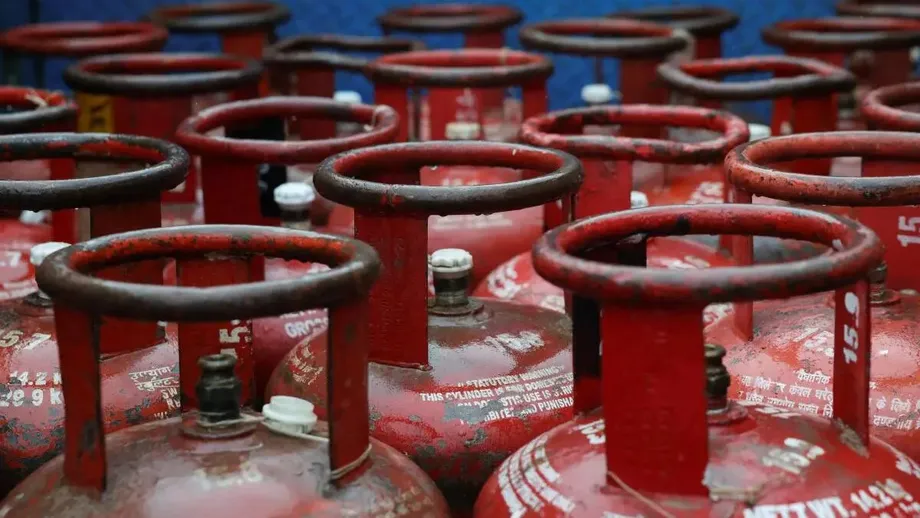
A 14.2 kg domestic LPG cylinder in Delhi stands at ₹942 ahead of November 1, 2026, while the October price of a 19 kg commercial cylinder is ₹2,810. Oil marketing companies usually review commercial rates on the first day of each month. The November price will be known when they announce it.
Contents
- Delhi households await November rates as Aadhaar checks affect refills
- What has changed in cylinder prices?
- Who needs to complete Aadhaar verification?
- What happens when e-KYC is incomplete?
- How to complete verification at home or through a distributor
- Why the 25 day booking interval matters
- Subsidy support comes in different forms
- How the rules developed during 2026
- Why piped gas customers face a different calculation
- What to Know
For households, the immediate concern goes beyond the price: whether their Aadhaar biometric authentication is complete and when they can book another refill. October guidance describes restrictions on access to domestic cylinders at the regulated price for customers who have not completed verification. A reported booking interval of 25 days also applies to rural and urban consumers.
November therefore brings together several developments with different starting dates. Delhi's domestic price has been unchanged since June 7, the latest authentication requirement took effect on October 1, and the rural booking interval returned to 25 days in September.
Customers who have already completed verification generally do not need to repeat it. Pradhan Mantri Ujjwala Yojana, or PMUY, beneficiaries have a separate requirement for annual verification to receive targeted subsidies, according to a ministry clarification issued in March.
What has changed in cylinder prices?
Delhi's commercial LPG price rose by ₹62.50 on October 1, taking a 19 kg cylinder from ₹2,747.50 to ₹2,810. That was an increase of about 2.3%. The 5 kg Free Trade LPG cylinder also became more expensive, rising by ₹15.50 to ₹779.50.
Domestic LPG prices were unchanged on October 1. The ₹942 figure for Delhi applies to a 14.2 kg household cylinder; customers elsewhere need to check their local price because rates vary by location.
Hotels, restaurants and other businesses using commercial cylinders face a different bill from households. October's increase added ₹62.50 for every 19 kg cylinder purchased. Any November revision would change that recurring fuel expense again, depending on the rate announced.
The smaller Free Trade LPG cylinder is also a separate product from the standard domestic cylinder. Its market price matters particularly for customers directed towards smaller cylinders because they have not completed authentication. A lower cylinder weight means less gas in each purchase, so the amount paid for one cylinder alone is not enough to compare costs.
Who needs to complete Aadhaar verification?
The Ministry of Petroleum and Natural Gas clarified on March 17, 2026, that biometric Aadhaar authentication was required for LPG customers who had not yet completed it. Customers outside PMUY who were already verified did not need to repeat the process.
Biometric authentication checks a person's identity using a physical feature, such as their face. In this case, it links the LPG customer's identity to Aadhaar. Electronic Know Your Customer, usually shortened to e-KYC, is the digital identity verification process.
PMUY beneficiaries face an annual e-KYC requirement for targeted subsidies, according to the March clarification. For those households, an earlier verification may need renewal under the yearly requirement. Other customers who have already authenticated generally have no further verification step to complete.
As of September 19, the ministry said 27.43 crore active domestic LPG consumers, or 89.9%, had completed authentication. That left 10.1% of the active consumer group counted in that update still to complete it, roughly one in ten.
What happens when e-KYC is incomplete?
October guidance describes a restriction on booking 14.2 kg domestic refills at the regulated retail price, with applicable subsidy, for customers who have not completed authentication. Consumers unwilling or unable to authenticate can register that choice through their oil company's digital channels and obtain 5 kg Free Trade LPG or 10 kg composite fibre cylinders at market prices, subject to local availability.
Another description of the October arrangements says customers can continue obtaining refills without subsidy. The practical difference concerns access to the usual 14.2 kg cylinder, so an unauthenticated customer should ask the distributor which cylinder can actually be booked before relying on the usual refill arrangement.
The ministry's March 17 clarification had said incomplete e-KYC would not affect LPG supply. The October guidance describes a later restriction on access to the regulated domestic product, alongside the option of buying smaller cylinders at market prices.
For a household, continued access to some LPG and continued access to its usual cylinder at its usual price are different matters. Smaller cylinders may require more frequent purchases, and availability depends on the local distributor. Completing verification, or confirming an existing verification, is therefore useful before the next booking becomes urgent.
How to complete verification at home or through a distributor
The government's PMUY website provides self authentication guidance directing customers to download their oil company's mobile app together with the Aadhaar FaceRD app. FaceRD supports the facial authentication step.
Indane customers can use IndianOil ONE, Bharatgas customers can use Hello BPCL, and HP Gas customers can use HP Pay. Customers should log in with the mobile number registered to their LPG connection, select the Aadhaar e-KYC option and follow the instructions for a live face scan.
Verification may also be available through the My LPG portal, an authorised distributor's showroom or delivery personnel using the oil company's application. These alternatives matter for customers who cannot complete a face scan on their own phone or need help accessing their account.
Digital approval is described as usually taking 24 to 48 hours. Customers should check that their LPG account shows the authentication as complete before depending on it for a booking. A distributor can also confirm whether an earlier verification is already recorded.
Why the 25 day booking interval matters
Rural and urban customers are reported to face the same minimum interval of 25 days between refill bookings. The rule covers both PMUY beneficiaries and general consumers.
The interval changed several times during 2026. It increased from 21 to 25 days in March. Rural customers later faced a 45 day interval, before that was reduced to 25 days in September; urban customers remained on 25 days during that later period.
For rural households, September's change shortened the wait by 20 days compared with the 45 day requirement. Compared with the earlier 21 day arrangement, the present interval is four days longer.
The interval governs when another booking can be made. Authentication governs the customer's eligibility for the relevant refill or subsidy arrangement. A household may therefore need to satisfy both conditions: having a verified account and reaching its next eligible booking date.
Subsidy support comes in different forms
PMUY beneficiaries may receive ₹200 to ₹300 through direct benefit transfer on up to four refills a year, according to the reported subsidy arrangements. Direct benefit transfer means the eligible payment goes into the beneficiary's bank account, rather than simply appearing as a lower price at purchase.
A household paying ₹942 for a Delhi cylinder would bear a net cost of ₹742 after a ₹200 transfer, or ₹642 after a ₹300 transfer, if eligible for the relevant payment. The amount and qualifying refill allowance should be checked against the beneficiary's current scheme entitlement.
The ministry also cited an implicit subsidy of around ₹210 on a 14.2 kg domestic cylinder in September, compared with ₹721 in June. That is a reduction of ₹511, or about 71%, over that period. An implicit subsidy is support built into the selling price when the consumer price is below the recognised supply cost.
The government is providing ₹30,000 crore in compensation to oil marketing companies across the financial years 2025–26 and 2026–27. That support goes to the companies; the PMUY direct benefit transfer goes to an eligible household's bank account. The two forms of support reach different recipients.
How the rules developed during 2026
The dates help explain why some customers may remember different instructions. Authentication clarifications, booking intervals and cylinder prices changed at different points during the year.
- March 2026: The refill booking interval increased from 21 to 25 days. Rural customers later faced a 45 day interval.
- March 17: The petroleum ministry said customers who had already authenticated generally did not need to repeat e-KYC, while PMUY beneficiaries required annual verification for targeted subsidies.
- June 7: Delhi's 14.2 kg domestic cylinder price reached ₹942 and subsequently remained unchanged through October.
- September 2026: The rural booking interval returned to 25 days.
- September 19: The ministry recorded authentication by 27.43 crore active domestic consumers, representing 89.9% of the group counted.
- October 1: The reported authentication requirement took effect, and Delhi's 19 kg commercial cylinder price rose to ₹2,810.
- November 1: The next regular monthly commercial price review is expected.
The government's stated purpose for authentication is to direct subsidised LPG to eligible households, remove duplicate or ineligible connections and prevent domestic cylinders from being diverted to commercial or industrial use.
Why piped gas customers face a different calculation
Households using piped natural gas, or PNG, need to follow tariff announcements from their city gas distributor. Their bills follow a different pricing structure from LPG cylinders.
PNG distributors can obtain gas from domestic production and imported liquefied natural gas, known as LNG. LNG is natural gas cooled into liquid form for transport, then converted back into gas for distribution. The combination of these supplies affects the distributor's costs.
Government pricing frameworks, distribution expenses, taxes and supply conditions also influence the household tariff. A change in crude oil prices alone does not directly determine the domestic PNG rate. Customers need the tariff issued by the company supplying their city.
What to Know
- Delhi's 14.2 kg domestic LPG cylinder stands at ₹942 ahead of November; the October commercial price is ₹2,810 for 19 kg.
- November commercial rates depend on the oil marketing companies' announcement.
- Customers who have already authenticated generally need no repeat verification, while PMUY beneficiaries face an annual requirement for targeted subsidies.
- October guidance describes restrictions on regulated domestic refills for unauthenticated customers, with smaller cylinders available at market prices subject to local supply.
- The reported minimum interval between refill bookings is 25 days for both rural and urban customers.
- Verification can be completed through provider apps, distributors or delivery personnel; customers should confirm their account status before booking.