A 40.74 Kilometre Ride on a River in Hunan
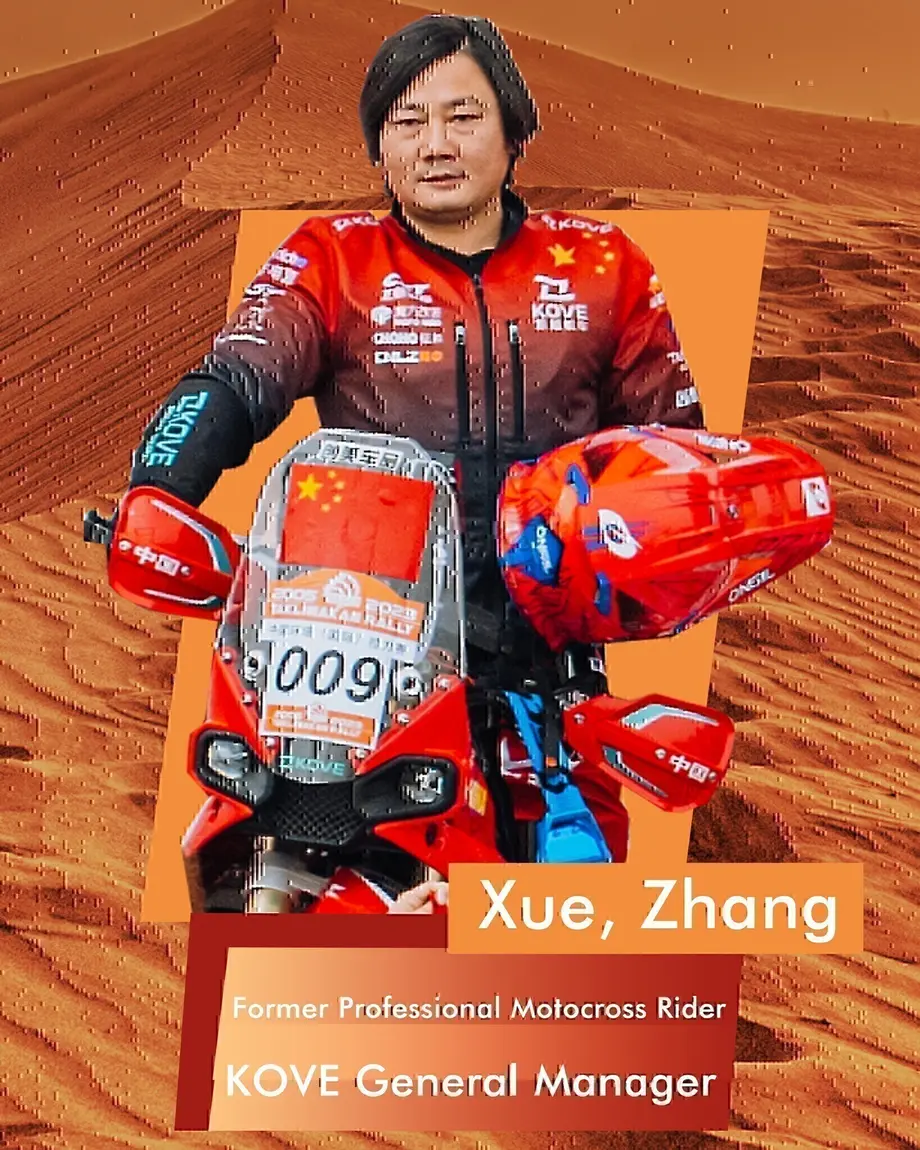
Chinese motorcycle company founder Zhang Xue rode a modified MX450 motorcycle for 40.74 kilometres across open water on October 25, completing a Guinness World Records challenge in his hometown in Hunan province. Guinness adjudicators witnessed the attempt, checked the data and confirmed the result.
Contents
- A 40.74 Kilometre Ride on a River in Hunan
- What the Record Attempt Involved
- Why Seven Turns Made the Ride Harder
- Inside the Modified MX450
- More Fuel and Months of Testing
- From Four Falls to a Successful Return
- The Dates Behind the Attempt
- Why Zhang Chose His Hometown
- Safety Was Part of the Preparation
- Key Points
The ride took place on the Jinjiang river at Xiaopo village in Guogongping, Mayang Miao Autonomous County, within Huaihua. Zhang entered the water at 11 a.m. and returned to the starting point at about 11:30 a.m., with staff at the scene verifying the distance.
The previous record stood at about 31.8 kilometres. Zhang travelled roughly 8.9 kilometres farther, an increase of about 28%. His team had initially set a target of 40 kilometres, requiring repeated turns within the chosen stretch of river rather than a single journey straight ahead.
The achievement followed four failed attempts in 2009, when Zhang tried to skim a motorcycle across 26 metres of water. His best effort then reached only 20 metres before he and the machine fell into the water.
For Zhang, founder of the brand known internationally as ZXMOTO, the return to Mayang connected a personal ambition with the place where he grew up. For his engineering team, it brought together months of work on propulsion, flotation, waterproofing and the difficult business of turning a motorcycle on a river.
What the Record Attempt Involved
The Guinness category was the farthest distance travelled on a modified motorcycle in open water. The challenge measured how far the machine could travel, with the result subject to checks by Guinness personnel.
Zhang's team had also considered attempting a speed record. Deng Liansong, the company's research and development leader and the technical head of the challenge, said the application timetable prevented that attempt from going ahead. The team concentrated on distance.
The route was designed to cover about 40 kilometres through seven turns. Before the attempt, the team estimated that the journey would take 35 to 38 minutes. The reported start and return times put the successful ride at roughly half an hour, although those approximate times do not provide a precise official duration.
Deng said each rider had one opportunity under the challenge rules. Zhang was scheduled to go first, with Deng ready to make an attempt if Zhang failed. Zhang completed the ride himself, so that backup plan was not needed.
Why Seven Turns Made the Ride Harder
Deng identified turning as the greatest risk. A motorcycle travelling steadily across water needs its speed, balance and supporting surfaces to work together. Changing direction disrupts that balance.
The rider must reduce speed for a turn, while the machine leans and its contact with the water changes. Deng said the area of the motorcycle and flotation boards touching the water became smaller during turns, making it easier to lose stability. The team had experienced several mistakes while practising those manoeuvres.
Water supports a moving machine differently from a road. A tyre on a road presses against a firm surface. On water, the modified motorcycle relies on its added supports and forward motion to keep travelling at the surface, while its propulsion system pushes water backwards.
Seven turns meant Zhang had to manage that transition repeatedly, then accelerate smoothly for the next stretch. The route therefore demanded more than enough fuel and engine power to cover the distance. It also required a rider who could keep the machine balanced through each change of direction.
Inside the Modified MX450
The MX450 was described before the challenge as a lightweight motorcycle designed for professional off road riding that had not yet gone on sale. Its reported specifications included a weight of about 104 kilograms, a single cylinder engine developed by the company and output of more than 60 horsepower. A final weight for the machine after its water equipment was fitted was not given.
The modifications included a special rear wheel with large paddle blades, steel flotation boards, a strengthened sprocket and a larger fuel tank. The paddle blades helped turn the engine's power into forward movement by pushing against the water. The flotation structures helped support the machine at the surface.
The team also worked on suspension, weight distribution and waterproofing. Protecting the engine and electrical equipment mattered because water reaching vulnerable components could interrupt power during the ride.
Deng's team revised the wheel arrangement three times and developed six versions of the flotation boards. Those changes show how much of the work involved adjusting the relationship between thrust, support and balance, rather than simply fitting floats to a standard motorcycle.
Deng, a motorcycle athlete with China's national first class sporting classification, led the vehicle modifications, water testing and balance adjustments. His role combined engineering decisions with practical experience of controlling the machine.
More Fuel and Months of Testing
The earlier fuel tank supported a range of about 30 kilometres in this application, according to Deng. That fell short of both the existing record and the team's 40 kilometre target. The replacement tank held six litres more fuel.
Carrying more fuel addressed range, while also giving the engineers more weight to accommodate. On a machine whose stability depends on its position on the water, the location and movement of that weight formed part of the wider balance problem.
The completed project was described as involving five months of preparation. Deng described about three months of team preparation and repeated technical revisions in Chongqing. Both accounts describe sustained development, although they give different preparation periods.
Testing included runs on the Caijia River in Chongqing, with successful trials reported by October 17. Zhang then completed a local practice ride in Mayang on October 24, the day before the official attempt.
Zhang's work schedule left limited time for training. Deng said the team arranged sessions around the founder's business commitments, placing tests into his calendar in advance. Repeated runs allowed both the rider and the engineers to become familiar with the machine's behaviour before the record attempt.
From Four Falls to a Successful Return
Zhang was 22 when he attempted his earlier water ride in 2009. The motorcycle used then had pieces of sheet metal attached to its wheels. All four attempts ended with Zhang and the machine in the water, and the longest run stopped six metres short of the 26 metre goal.
The new distance of 40,740 metres was more than 2,000 times his earlier best of 20 metres. The comparison captures the scale of the change in both the ambition and the equipment used for the return.
Zhang, speaking before the latest challenge about his experience as a rider and motorcycle builder, explained how his approach had changed:
Seventeen years ago, I was anxious and uncertain. Now it is very clear. I know which areas need improvement, and both my personal experience and motorcycle manufacturing skills have improved.
Zhang said the idea of trying again emerged in March, after a journalist brought up the earlier attempt. By October, that conversation had become a project involving a new motorcycle, a technical team, repeated river tests and a formal record application.
The Dates Behind the Attempt
Zhang's return to the water followed a longer journey from motorcycle repair to manufacturing. He began as a repair apprentice at 14, later helped establish one motorcycle company and then created a brand carrying his own name.
The main milestones connect that business history with the preparations for the river challenge:
- 2009: Zhang made four unsuccessful attempts to travel 26 metres across water, reaching a maximum of about 20 metres.
- 2017: He jointly founded the motorcycle manufacturer Kove.
- April 2024: He founded Zhang Xue Motorcycles, known internationally as ZXMOTO.
- March 2026: He revived the idea of attempting the water riding record.
- By October 17: The modified motorcycle had completed river testing in Chongqing.
- October 24: Zhang completed a practice ride at the challenge location in Mayang.
- October 25: He completed the 40.74 kilometre ride, with Guinness adjudicators confirming the result.
The company also entered the challenge with racing results behind it. Its achievements that season included second place in the riders' standings and third in the manufacturers' standings in World Superbike Championship competition. The river attempt gave the brand another public setting for its engineering work, this time outside a racing circuit.
Why Zhang Chose His Hometown
Mayang was central to Zhang's reason for returning. He said he wanted the attention surrounding the challenge to bring wider recognition to his home area and support local tourism.
Zhang, explaining why completing the attempt at home mattered to him, said:
Fulfilling my dream in my hometown today is also about letting the world see this place.
Mayang's local publicity authorities described six tourism and cultural activities planned alongside the challenge. The county has been promoting travel linked to health, rural life and agriculture, including its identity as a producer of rock sugar oranges.
The event was scheduled for livestreaming between 10 a.m. and 1 p.m. on October 25 through several Douyin accounts. That offered the village and river a wider audience than the spectators gathered on the bank.
The company had international ambitions of its own. At the 140th Canton Fair on October 15, a company representative described a goal of establishing stores around the world within two years. The water challenge put Zhang and his brand before a broader audience while that expansion plan was being promoted.
Safety Was Part of the Preparation
Support boats accompanied training in Hunan. Deng also said local authorities controlled access to the challenge waters, while the technical team planned to remind Zhang about speed limits during the ride.
The precautions addressed a practical danger: a loss of balance, power or support could put the rider and motorcycle into the river. The repeated turning tests were especially important because the team had already encountered failures during those manoeuvres.
Zhang's successful return to the starting point completed both the planned route and the record attempt. The 40.74 kilometre result exceeded the team's initial 40 kilometre target by 740 metres, bringing a project rooted in four short, unsuccessful rides to a very different finish.
Key Points
- Zhang Xue rode a modified MX450 for 40.74 kilometres on open water in Mayang, Hunan, on October 25.
- Guinness adjudicators witnessed the attempt, checked the data and confirmed the record.
- The distance exceeded the previous mark of about 31.8 kilometres by roughly 28%.
- The planned river route required seven turns, which the technical team identified as the main riding risk.
- Modifications included paddle propulsion, flotation boards, waterproofing and a fuel tank enlarged by six litres.
- Zhang's four attempts in 2009 had ended in the water, with a best distance of about 20 metres.
- Zhang said he chose his hometown to fulfil a personal ambition and bring attention to the area.