A New Operator for EDSA's Railway
The Philippines plans to award a P103.6 billion concession for Metro Rail Transit Line 3 around the middle of 2027, placing the operation, maintenance and upgrading of a railway carrying more than 388,000 passengers a day in private hands while keeping fare decisions with the government.
Contents
- A New Operator for EDSA's Railway
- What the Private Company Would Do
- Payments Would Follow Service Standards
- The Dates Behind the 2027 Target
- Why MRT-3 Will Be Offered Separately
- How the Plan Has Changed Since 2024
- Who May Compete and How Approval Works
- A Second Major Railway Contract Is Also Planned
- Key Points
The Department of Transportation (DOTr) says payments to the future operator will depend on the service it delivers. Train availability, reliability, punctuality, cleanliness and maintenance will help determine whether the company meets its obligations.
Transportation Secretary Giovanni Lopez has also settled a key question about the project's structure: MRT-3 will be offered on its own. A proposal to combine its contract with that of Light Rail Transit Line 2 has been dropped.
The proposed concession follows the July 2025 expiry of the government's build-lease-transfer agreement with Metro Rail Transit Corp., the private consortium that built MRT-3. According to the DOTr, operations reverted to government after that agreement ended.
For passengers, the practical goals are more trains available for service, shorter waits and a more dependable journey along EDSA. The project includes replacing trains and upgrading the signaling system, which controls train movements and helps maintain safe distances between them.
The timetable still needs careful reading. The department's central target is an award around mid-2027, while a more detailed procurement schedule puts the transfer of operations in October 2027. Choosing the winning company and putting that company in charge of daily service are separate steps.
President Ferdinand Marcos Jr. has directed the department to prioritize MRT-3 modernization. The concession is intended to bring private investment and railway operating experience into that effort, with the government continuing to set the rules for service and fares.
What the Private Company Would Do
The winning concessionaire would operate, maintain and upgrade MRT-3 under an agreement with the government. A concession gives a company the right and responsibility to provide a public service for an agreed period, subject to conditions set in its contract.
The proposed scope reaches beyond running the existing timetable. It includes capacity expansion, train replacement and improvements to signaling. Capacity means how many passengers the railway can carry, which depends on factors such as the number of usable trains and how frequently they can run.
The expected contract also covers fare collection and commercial rights within stations, with revenue sharing arrangements involving the government. Commercial rights concern the use of station space to earn income. The final division of that income has not been specified.
Fare collection and fare setting are different responsibilities. A company may collect passengers' payments as part of operating the railway, while the DOTr retains the authority to decide the fares charged.
Lopez, the transportation secretary, described the purpose of the partnership in a statement announcing the plan:
Through public-private partnership, we bring in the expertise and investment this line needs.
The department says about 100 local and international companies have expressed interest. The procurement process must turn that interest into formal bids that can be assessed against the project's financial, technical and service requirements.
Payments Would Follow Service Standards
The DOTr plans to link payments to performance, making the quality of daily operations part of the financial arrangement. The measures include train availability and reliability, on-time performance, and the cleanliness and maintenance of trains and facilities.
Train availability concerns whether enough trains are ready to carry passengers. Reliability concerns whether those trains and the wider railway can keep working consistently. A train undergoing repairs cannot help clear a crowded platform, even if it remains part of the fleet on paper.
Punctuality adds another test: whether services run when they are expected. Cleaning and maintenance standards extend accountability to the condition of the journey, including the trains and facilities passengers use.
The department also expects the operator to reduce waiting times. That objective connects the technical measures to something commuters experience directly. More usable trains and dependable departures should make it easier to board and plan a trip.
The final contract's payment formula, performance thresholds and deductions for missed standards have not been announced. Those details will determine how much financial pressure the operator faces when service falls short.
The Dates Behind the 2027 Target
The procurement timetable stretches from preparations in 2026 to a possible operational handover in October 2027. The more detailed schedule sets out the following milestones:
- July 2025: The agreement with Metro Rail Transit Corp. expired, and MRT-3 returned to government control.
- October 2026: Solicited bidding is expected to begin, with the government inviting companies to compete for its proposed concession.
- March 2027: Bid submissions are targeted.
- June to July 2027: The contract award is expected, broadly matching the department's mid-2027 objective.
- October 2027: The winning bidder is expected to take over operations.
Lopez has also described June or July as a possible bidding period, followed by an October handover, while the department's main announcement targets an award by the second quarter of 2027. The precise procurement milestones therefore still require confirmation.
Passengers should pay particular attention to the October handover target. A contract award selects the operator; a handover changes who is responsible for running the service. The months between those events provide a transition period before the company assumes operations.
Why MRT-3 Will Be Offered Separately
The DOTr previously considered combining the operations and maintenance contracts for MRT-3 and LRT-2. During that review, the department noted that the two railways serve different markets and examined whether a combined contract would improve efficiency.
Lopez now says MRT-3 will be a standalone project. Companies competing for it will therefore be bidding for this railway's responsibilities, rather than a package that also includes LRT-2.
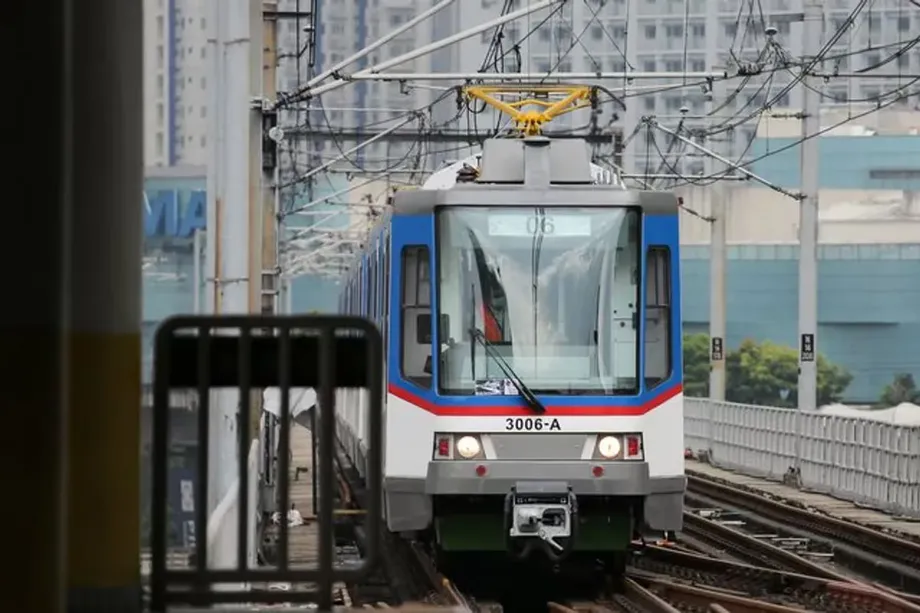
MRT-3 runs for 16.9 kilometers between Quezon City and Pasay City, serving 13 stations along EDSA. Its more than 388,000 daily passengers make the condition and frequency of its service a concern for a large number of journeys.
The line also connects with LRT-2 at Araneta Center-Cubao. At its southern end, passengers can reach LRT-1 through the covered walkway linking the Taft Avenue and EDSA stations.
Those connections mean MRT-3's performance matters beyond trips made entirely on its own tracks. A delay can affect a passenger continuing onto another railway, while a dependable arrival can make a transfer easier. Separate concessions will leave those physical connections in place.
How the Plan Has Changed Since 2024
The earlier proposal centered on a narrower operating role. A March 2024 account published on the Public-Private Partnership Center's website described a possible concession lasting 10 to 15 years, with the government paying for rehabilitation.
At that stage, the DOTr expected P29.6 billion in railway improvements supported by Japanese financing. That included a supplemental loan of about $130 million signed in 2023. The Asian Development Bank was serving as transaction adviser and conducting project preparation work.
Transportation Undersecretary Timothy John Batan explained that the proposed duration reflected a contract focused mainly on operations and maintenance, subject to the bank's study. The planning assumption then was that bidding could finish in 2025, allowing a concession to run as late as 2040.
The current proposal includes operating, maintaining and upgrading the railway, with train replacement and signaling improvements among its stated components. The earlier 10 to 15 year term remains a historical proposal; the final duration of the P103.6 billion concession has not been specified in the latest announcement.
The P29.6 billion rehabilitation estimate and the P103.6 billion concession value concern different scopes of work and financing. Readers need both figures to understand the project's development: the earlier plan placed rehabilitation spending with the government, while the current package describes broader responsibilities for a private operator.
Who May Compete and How Approval Works
Business groups were considering MRT-3 well before the current timetable. In 2024, Manuel V. Pangilinan and Ramon Ang were studying a possible joint bid after the DOTr rejected their unsolicited proposals in favor of a government initiated competition.
Metro Pacific Investments Corp., chaired by Pangilinan, was also considering buying the Ayala group's 35 percent stake in the LRT-1 operator to strengthen its position for an MRT-3 bid. Those discussions show the commercial interest surrounding the railway at that time; the current bidding process will determine which companies actually compete.
A solicited competition starts with the government defining the project it wants and inviting bids. An unsolicited proposal starts with a private company bringing its own project offer to the government. The DOTr's chosen route allows it to seek competing offers for a common set of requirements.
The 2024 account also described changes to approval procedures under the PPP Code. PPP Center Deputy Executive Director Jeffrey Manalo cited a requirement to finish approval in 120 days, compared with a previous average of 150 days. That is a reduction of 30 days, or one fifth of the earlier average.
Under the framework described then, projects below P15 billion could proceed to bidding through the transportation secretary, while larger projects required National Economic and Development Authority Board approval with an Investment Coordination Committee endorsement. The present P103.6 billion proposal exceeds that threshold. The approval timetable is one part of procurement, alongside bid preparation, evaluation, award and the transfer of operations.
A Second Major Railway Contract Is Also Planned
The DOTr is pursuing another large railway concession on a similar schedule. It aims to complete bidding for the P229 billion North-South Commuter Railway concession by mid-2027.
The NSCR project is estimated to cost P873.6 billion and is co-funded by Japan. It will stretch 147 kilometers from Clark International Airport in Pampanga to Calamba, Laguna.
Its P229 billion concession is about 2.2 times the P103.6 billion value proposed for MRT-3. The NSCR's P873.6 billion project estimate is a separate figure covering the railway project, rather than the concession alone.
MRT-3's immediate task is different: transferring responsibility for an operating railway that already carries hundreds of thousands of passengers each day. The practical test will be whether the new arrangement delivers its promised improvements while keeping daily journeys dependable through the transition.
Key Points
- The DOTr targets an MRT-3 concession award around mid-2027 under a P103.6 billion project.
- A detailed schedule places the transfer of operations in October 2027, although procurement dates still need confirmation.
- The private operator would run, maintain and upgrade the railway, while the DOTr retains fare setting authority.
- Payments would depend on standards covering train availability, reliability, punctuality, cleanliness and maintenance.
- MRT-3 will be offered separately from LRT-2 and serves more than 388,000 passengers daily across 13 stations.
- The government is also targeting completion of bidding for the P229 billion NSCR concession by mid-2027.