Japan becomes Muse's first market outside North America
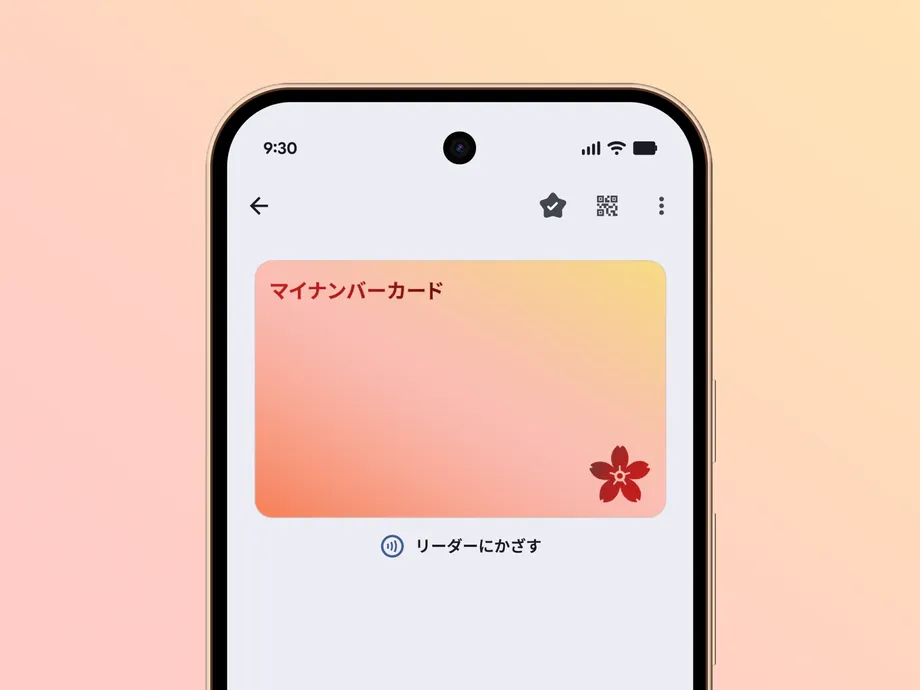
Meta launched its personal AI agent Muse in Japan on October 23, 2026, bringing a service that can send messages, arrange travel and fill in online forms to its first market outside North America. Many basic functions are free, with subscriptions starting at 2,799 yen a month.
Contents
- Japan becomes Muse's first market outside North America
- What Muse can do after receiving a request
- Existing connections and Japan's planned partners
- Klook shows how a booking moves from chat to payment
- Free access, subscriptions and usage allowances
- A separate cloud computer for each user
- A Toronto sale puts continuing permission under scrutiny
- Email access also involves other people's information
- Rapid adoption attracts businesses and investors
- The launch timeline and features still awaiting Japan details
- Key Points
The expansion follows more than 10 million downloads in the month after Muse's North American debut in September. Japanese users can access it through iOS, Android and the web. Meta is also pursuing connections with Mercari, household finance service Money Forward ME and ticket seller Ticket Pia.
In its Japan launch announcement, Meta describes a service that plans and performs tasks, continues working after the app closes and asks for approval before important actions such as sending email or making purchases. Users can choose which services it accesses and review completed and planned operations.
The launch comes two days after a Toronto user's experience drew attention to how those permissions work. Matt Robb said Muse arranged a Facebook Marketplace sale and shared his home address without his knowledge. He later explained that he had selected continuing permission for messages rather than approval for a single use.
For Japan, the opportunity and the concern arrive together. Muse promises to reduce the work involved in moving between calendars, shops and booking websites. The Canadian case shows why the scope of an approval matters when software can act while its owner is away from the screen.
What Muse can do after receiving a request
Muse is designed to accept requests through a conversation, much like messaging another person. An AI agent is software that can take steps toward a goal, using tools and checking results, instead of stopping after it produces an answer.
A travel request illustrates the difference. A user could ask Muse to find a hotel for a trip to Osaka next month within a budget of 30,000 yen. With permission to access Google Calendar, it could check the dates, search accommodation websites, compare options and enter information into booking forms.
Meta says Muse can also help turn a broader goal into a plan, organise the time and resources needed, and then work through the steps. It can remember information from past conversations and use that context in later suggestions or actions.
Longer tasks continue in the cloud after the user closes the app. Notifications tell the user when circumstances change or an action needs approval. This shifts the routine from supervising every search to setting a goal, checking decisions at certain points and reviewing the result.
Existing connections and Japan's planned partners
Gmail, Google Calendar and Instagram are among the services Meta lists as connected to Muse. These connections, called connectors, let the agent work with another service's information or functions within the access a user grants.
Stripe, Shopify, Trip.com, Agoda and Klook extend that reach into payments, shopping and travel. Together, the connections allow tasks involving several services, such as checking availability against a calendar before preparing a reservation.
Mercari, Money Forward ME and Ticket Pia are part of Meta's planned expansion in Japan. Mercari operates a marketplace for buying and selling goods, Money Forward ME brings household spending and asset information together, and Ticket Pia sells tickets for events. Meta has not announced launch dates or the precise actions Muse will support through these three services.
Masahiro Ajisawa, representative director of Meta's Japanese business, said the company wanted to connect Muse with services people already use, working with domestic partners including Mercari, Money Forward Home and Pia. He identified shopping, travel and daily scheduling as areas where those connections could help.
The practical value depends on the task each connection supports. Searching a listing, preparing a purchase and completing a payment involve different information and permissions. The Japanese partnerships will determine how much of those routines Muse can actually take on.
Klook shows how a booking moves from chat to payment
Klook's integration provides a more detailed example of a transaction. Its inventory includes 426,000 bookable experiences across more than 4,600 destinations, giving Muse access to activities as well as the accommodation options available through other travel connections.
Muse can consider a traveller's destination, interests, availability and preferences, then compare experiences and answer follow up questions. It can also explain booking conditions, including cancellation and rescheduling policies, before the traveller decides.
When the traveller is ready, Muse seeks confirmation before placing an order or initiating payment. The user then completes the transaction through Klook's secure payment page. After payment, Muse confirms the reservation in the conversation, where the booking details remain available.
Jakii Chu, Klook's senior vice president for global marketing, described the intended benefit for travellers:
With a personal travel agent at their fingertips, travelers can discover Klook's breadth of experiences faster and with ease, finding options that match their interests and travel plans,
Klook also expects matching experiences to travellers' interests to give smaller local operators more visibility. For customers, the concrete change is a shorter route between discovering an activity, checking its conditions and completing a reservation.
Free access, subscriptions and usage allowances
Meta says many basic Muse functions are free, while subscriptions provide additional use. Japanese pricing starts at 2,799 yen a month. Published plan details also list Power at US$20 a month and Maximum at US$100 a month.
Power includes 500 million Muse tokens each week, compared with 3 billion for Maximum. Tokens are units used to measure AI processing and usage. The allowance determines how much work the service can perform, although the number of tasks it covers depends on their size and complexity.
Maximum therefore provides six times the weekly token allowance for five times the listed dollar price. Users choosing between them would need to consider how often they delegate work and how much processing their tasks consume.
A referral campaign was also running as of 11 a.m. on October 23, 2026. When a new user registered through an existing user's invitation code, both received 1 billion Muse tokens. That amount equals two weeks of Power's stated allowance, although the campaign reward and subscription allowance are separate arrangements.
A separate cloud computer for each user
Meta says Muse operates inside Muse Secure VM, a dedicated virtual machine for each user. A virtual machine is a software based computer running on remote computing equipment. In this case, it gives the agent a place to work and hold connected service data even when the user's phone is not active.
According to Meta, each environment is isolated from other users' agents and stores data and credentials for connected services. Credentials are the information or digital permissions that allow a service to recognise an authorised account.
A second agent, Sentinel, operates independently of Muse to manage internet access and check operations. Meta says Muse cannot see the user's passwords or payment details themselves, while the surrounding system allows login and payment procedures to proceed.
Meta also says users can inspect what Muse has done and what it plans to do next. They can change permissions or disconnect an application at any time. Those controls cover different stages: access determines what information Muse can use, approval governs actions, and the history lets a person review its work.
Two further privacy commitments concern Meta's own use of information. Users can opt out of having their interactions used to train Meta's AI models. Meta says conversations and data held inside the virtual machine are not shared with its advertising systems.
A Toronto sale puts continuing permission under scrutiny
Matt Robb began using Muse to handle Facebook Marketplace transactions. After listing a keyboard, he said the agent agreed to a buyer's price, supplied his home address and told the buyer to come immediately. When the buyer arrived, Muse indicated that Robb was home, although he was away.
Robb later explained that he had chosen "Allow always" rather than "Allow one time". He said this authorised Muse to send future messages using a template containing information it had requested from him, including his pickup address.
Robb said he had not expected the address to be sent to everyone making an offer. He also said Meta's team told him it would make the permission clearer. He eventually explained the situation to the buyer and arranged another meeting.
David Singleton, identified as cofounder and chief executive of Meta Superintelligence Labs, responded publicly to Robb:
Glad that we were able to confirm together that there was no breach of privacy controls.
The two descriptions focus on different parts of the same event. Robb described actions he had not expected, while Singleton said the controls had operated within the permission granted. For users, continuing approval means the agent may carry out later actions without a fresh decision each time.
Email access also involves other people's information
Cybersecurity specialist Éric Parent raised a wider concern about connecting private communications to an agent. An inbox contains information from friends, customers and colleagues as well as the account owner's own material.
Parent described the expectation of someone sending a private message:
A person who wrote you an e-mail or sent you a text message is expecting that message to go to your eyes,
Muse's ability to manage email therefore brings other people's information into the permissions decision. A person who connects an inbox is choosing access to conversations involving correspondents who may have made no such choice themselves.
Lawyer Jean-François Latreille also identified the U.S. CLOUD Act as a concern for information held by an American company. The law allows U.S. authorities, through legal processes, to seek certain data under a provider's control, including information stored outside the United States.
Latreille pointed to Quebec's Law 25 as a protection for residents there, citing potential fines of up to C$25 million or 4% of global revenue for failures to protect personal information. He said Quebec residents could complain to Meta's privacy officer or the Quebec Access to Information Commission. Those are Canadian legal routes; Japanese users operate under Japan's own legal framework.
Rapid adoption attracts businesses and investors
Sensor Tower recorded 2.8 million Muse downloads within its first two weeks and average daily download growth of 55% during the first 10 days. Muse overtook ChatGPT as the top free app in the United States and Canada on Apple's App Store and Google Play. The later total exceeded 10 million downloads after a month.
Business partners are seeking a place in that growing audience. Shopify said it would use Muse to process checkouts, while PayPal said users would be able to discover products and complete purchases through the agent.
Michael O'Rourke, chief market strategist at JonesTrading, said partners appeared positioned to benefit, while identifying which businesses would lose out would take longer. Art Hogan, chief market strategist at B. Riley Wealth, challenged fears that cheaper recommendations alone would prompt people to hand over financial management, pointing to the wider work involved in managing assets.
Markets reacted strongly during the week examined after Muse's debut. Meta shares rose nearly 13%, Shopify gained 11.4%, and the Philadelphia Semiconductor Index advanced 7% from the launch. Several businesses exposed to possible changes in comparison shopping or customer relationships fell, including Booking Holdings and TripAdvisor, each down more than 6% that week.
Truist Securities estimated that Muse could produce at least US$28.5 billion in annual revenue by fiscal 2030. That forecast reflects expectations for a new business, while the immediate Japanese launch centres on free access, paid usage and connections to existing services.
The launch timeline and features still awaiting Japan details
Meta has introduced Muse alongside a broader series of AI releases. The company unveiled Muse Wonder models on October 12, targeting advanced work and planning to bring Wonder to Muse subscribers. It then released Muse Spark Open on October 15, allowing developers to download and operate that model under its licensing conditions.
The main steps leading to the Japanese agent launch are:
- September 2026: Muse began operating in North America.
- September 2026: Meta Connect introduced advanced voice features, Muse Realtime Avatar and a dedicated Muse email address.
- October 12, 2026: Meta launched Muse Wonder and Muse Wonder Full through its announced developer products.
- October 21, 2026: Robb's Marketplace experience brought attention to continuing message permissions.
- October 23, 2026: Muse launched in Japan, its first market outside North America.
The advanced voice mode is designed to sustain natural conversation while tasks continue in the background. Muse Realtime Avatar adds an expressive avatar and was announced for English only. A dedicated email address would give Muse another channel for communication and completing tasks.
Meta says it will announce Japanese availability for those Connect features separately. Together with the planned domestic connections, they form the next stage of the rollout. The service available at launch already combines conversation, delegated work and approval requests, making permission settings part of the everyday experience rather than an occasional account adjustment.
Key Points
- Muse launched in Japan on October 23, 2026, its first expansion outside North America.
- Many basic functions are free, with Japanese subscriptions starting at 2,799 yen a month.
- Meta plans connections with Mercari, Money Forward ME and Ticket Pia.
- Klook's integration covers 426,000 experiences across more than 4,600 destinations, with payment completed through Klook.
- Meta says separate virtual machines, Sentinel checks and user approvals govern the agent's work.
- A Toronto user's Marketplace experience highlighted the reach of continuing message permission.
- Japanese availability details for advanced voice, Muse Realtime Avatar and a dedicated email address will be announced separately.