Android phones gain a new way to prove identity
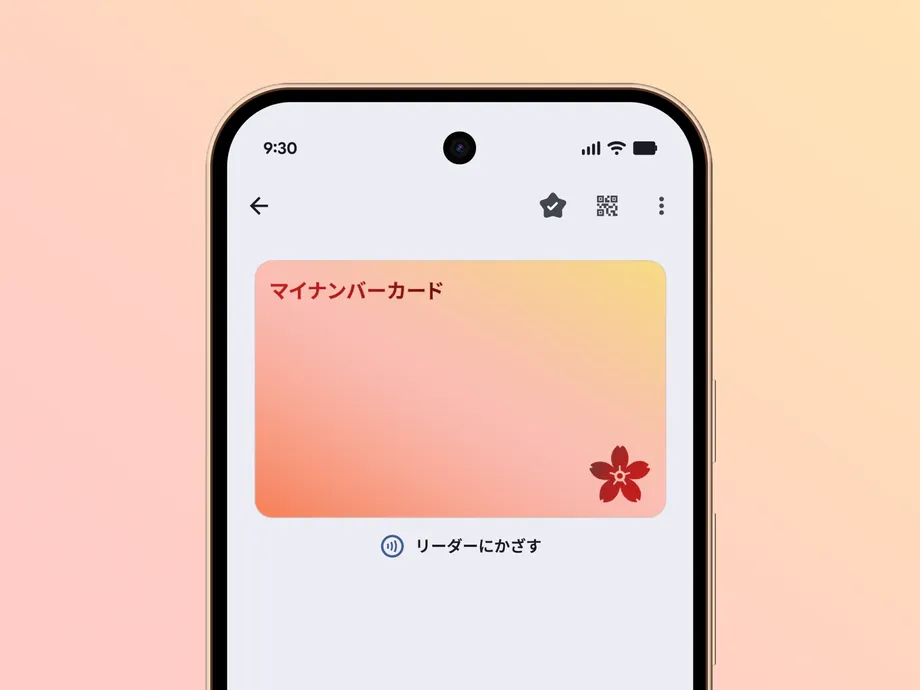
Japan launched My Number Card on Android on October 20, 2026, allowing people with compatible phones to store a digital version of their government identity card in Google Wallet and use it for identity, age and address checks at participating services. Google Wallet's transmission software received ministerial certification on October 17, three days before the launch.
Contents
- Android phones gain a new way to prove identity
- What changes beyond the existing Android service?
- Where people can use the new checks
- Which Android phones qualify?
- What registration requires
- Age checks can reveal less personal information
- Businesses need a reader as well as willing customers
- Online identity checks extend the service beyond counters
- How the rollout reached this point
- Key Points
The change brings Android closer to the service introduced for iPhone on June 24, 2025. Android users have had access to electronic certificates since May 2023, but the new service adds the ability to present verified personal details, such as a name, date of birth or address, from the phone itself.
Japan had 104.72 million My Number Cards in circulation at the end of September 2026, representing 84.5% of the population. Combined use of the iPhone service and the existing Android electronic certificate service stood at 9.79 million users. The launch extends what Android users can do with a card that most residents already hold.
The Digital Agency's smartphone service guide says the service is free for people who have a My Number Card and a compatible smartphone. Registration uses the latest MynaApp, the application used to access Mynaportal and related services.
Two practical conditions determine whether someone can use the new identity checks: their particular phone must support the added function, and the shop, event organiser or government counter must be equipped to read it. Android 12 alone is insufficient, and acceptance depends on the service provider.
What changes beyond the existing Android service?
Android's earlier electronic certificate service already allowed users to log in to Mynaportal, check information about medicines, medical expenses and pensions, submit tax returns and moving notifications, and obtain documents such as copies of residence certificates at convenience stores.
An electronic certificate works as a digital credential that helps a service verify who is signing in or submitting an application. The newly added attribute verification function lets a person prove particular facts about themselves, including their name, age or address.
The Digital Agency's attribute verification guidance, updated on October 20, describes the legal record behind this function. Issued under the My Number Act, Act No. 27 of 2013, it combines information recorded on the card with information that lets a recipient verify its authenticity and its connection to the person sending it.
For the user, the difference is concrete. A phone that previously helped them enter an administrative website can now also provide verified personal details to a participating business or counter. Face or fingerprint authentication can replace the four digit PIN in supported operations, although signing passwords still need to be entered when required.
Where people can use the new checks
Shops and service providers are expected to use the added function for membership registration, event admission and other identity checks. Businesses buying used goods and providers handling account applications or contracts are also among the intended uses.
Age verification is another major application. A participating seller of alcohol or tobacco could check whether a customer meets the age requirement. Similar checks could be used at university festivals, entertainment venues, or services with age restrictions or discounts.
Local services could verify an address when offering resident discounts for buses, parking or museums. A resident would be able to prove eligibility using their phone instead of taking out the physical card, provided the operator supports the service.
The Digital Agency also lists Mynaportal, convenience store certificates, e-Tax, and health insurance credentials at participating medical institutions and pharmacies among smartphone uses. Acceptance can vary between Android and iPhone and between individual services. The agency advises people to carry their physical card when the destination supports only that card.
The smartphone version cannot serve as a Myna driver's license. People who use the physical My Number Card for driving credentials must continue to follow the requirements for that separate service.
Which Android phones qualify?
Eligible phones must run Android 12 or later and have a security chip that meets the service's requirements. The new attribute verification function uses StrongBox, a protected hardware environment designed to keep sensitive security operations separate from the phone's ordinary applications.
The supported device list published on October 19 covers models sold for the Japanese market. Users are instructed to install the latest security patch. An imported phone with the same product name may have different eligibility, so the exact model matters.
Examples include the Google Pixel 6, Samsung Galaxy S24, Sony Xperia 1 VI and Sharp AQUOS R9 pro. The list also includes specified later Pixel and Galaxy models, Sharp's AQUOS R10, R11 and sense10, FCNT's arrows Alpha2, and selected Motorola, OPPO and Xiaomi devices.
A star beside a model on the agency's compatibility list identifies support for attribute verification. Phones that support only electronic certificates display a Japanese label meaning limited functionality in Google Wallet. Their existing services, including Mynaportal login and convenience store document issuance, remain available.
The Digital Agency expects compatible models to increase as StrongBox becomes more widespread. Its choice of technology took account of security, development and operating costs, and international work on digital credentials that recipients can verify. The technology selection, implementation and changes to major applications contributed to Android's launch coming about one year and four months after the iPhone service.
What registration requires
Users need their physical My Number Card for setup, even though the aim is to reduce how often they need to carry it afterward. They must also have the card's signing password, containing six to 16 letters and numbers, and the four digit PIN used to read the details on the card.
The phone needs the latest MynaApp, Google Wallet and the Osaifu-Keitai application. Registration begins in MynaApp, where users accept the terms and follow the instructions to verify their identity and add the credential.
The procedure includes recording facial movements with the front camera, entering the required PIN and signing password, and reading the physical card's IC chip. Users then set the PIN or password required for the smartphone credential and finish the device authentication settings after receiving notification that issuance is complete.
People who already use Android electronic certificates must still complete the face capture and physical card reading steps to add attribute verification. They can continue using their existing electronic certificates while deciding whether to register for the new function.
The Digital Agency says anyone who has forgotten both required card credentials should reset them at the municipal counter where their residence is registered. That makes checking the PIN and password before starting a useful way to avoid an interrupted registration.
Age checks can reveal less personal information
A customer buying alcohol may need to prove only that they are at least 20. The verification application can support that limited check while concealing the person's name and address. The business receives the fact needed for the transaction rather than viewing every detail printed on the physical card.
Other supported checks can use a name, address, date of birth or photograph. The information requested depends on the service and the purpose of the check. The attribute system packages those details with the information needed to verify that they are authentic and belong to the sender.
The face to face verification application restricts the keeping of personal information in its history and prohibits screenshots. Limited information, such as the verification date and time and the year in which the card expires, can still be checked.
The application also has a PDF evidence export function for procedures that require a verification record, including uses connected with Japan's Act on Prevention of Transfer of Criminal Proceeds. Ordinary age checks and regulated identity checks therefore involve different information needs.
Businesses need a reader as well as willing customers
Shops, municipalities and event operators need compatible reading software before they can accept the smartphone credential. The Digital Agency provides its My Number Card face to face verification application free of charge, and downloads had reached about 602,000 around the launch.
The agency's official guidance says the Android edition has supported reading attribute verification records since version 2.0.0, released on January 27, 2026. Operators using that application, or suitable applications supplied by private developers, can follow an established route for accepting the records.
Organisations developing their own systems face additional steps. The agency requires applications to use the records, access to technical specifications, testing and approval to begin service. Developers creating their own verification software may also need ministerial certification for that software.
The official register already lists certified verification products, including Panasonic Connect's VeriMe libraries for Windows, certified on July 31, 2026, and Flight Solutions' myVerifist, certified on September 14. These provide options beyond the government's own reading application.
The verification application also supports specified residence cards and specified special permanent resident certificates that integrate My Number Card functions. Desktop versions were planned as well: a Mac edition during October 2026 and a Windows edition during fiscal 2026, which ends in March 2027. Plans also included an iPad edition. Relevant equipment can include a contactless IC card reader or a computer with Bluetooth Low Energy.
Online identity checks extend the service beyond counters
Android's new credential can also support identity checks in online services, including applications and contract procedures. The Digital Agency describes two routes: an Android application can request the credential through the Digital Credential API, or a website can obtain it through Chrome using the same interface.
An API is a defined way for software systems to communicate. Here, it allows an authorised service to request information held in Google Wallet and pass it to the systems that verify it.
Businesses must build the necessary connection and verification process before customers can use these routes. The agency's procedures include development, testing and permission to launch. The benefit for customers arrives as individual services complete that work.
Both iPhone and Android now support the main combination of electronic certificates and verified personal attributes, although their technical connections differ. The agency's guide lists iPhone XS or later with iOS 18.5 or later for the Apple service; Android eligibility depends more heavily on the particular model and its security hardware.
How the rollout reached this point
Japan introduced smartphone functions in stages, first adding electronic certificates and later enabling the presentation of verified personal details. The main dates show how the Android launch fits into that progression.
- May 2023: Android's smartphone electronic certificate service began.
- June 24, 2025: My Number Card on iPhone launched.
- January 27, 2026: Version 2.0.0 of the Android verification application added support for reading attribute records.
- October 17, 2026: Google Wallet's transmission software received ministerial certification.
- October 19, 2026: The Digital Agency published the Android compatibility list.
- October 20, 2026: My Number Card on Android launched with attribute verification.
The scale of smartphone use still trails physical card ownership. The 9.79 million users of the existing smartphone services amounted to roughly nine for every 100 physical cards held, compared with 104.72 million cards at the end of September. Android's added function gives more cardholders a reason to register, while device eligibility and reader availability shape where they can use it.
Users also have continuing responsibilities after setup. The Digital Agency advises deleting the credential before giving up a phone or changing models. Renewing the physical My Number Card or its electronic certificates requires setting up the smartphone version again.
Key Points
- My Number Card on Android launched on October 20, 2026, adding verified identity, age and address information to Google Wallet.
- The service is free, but requires a physical card for registration and an eligible phone with Android 12 or later and suitable security hardware.
- Phones limited to electronic certificates retain their existing functions.
- Participating services can check whether someone is at least 20 without receiving their name and address.
- Businesses and government counters need compatible reading systems before accepting the digital credential.
- The smartphone card cannot be used as a Myna driver's license, and some destinations still require the physical card.