Sharp rises in essentials put pressure on household budgets
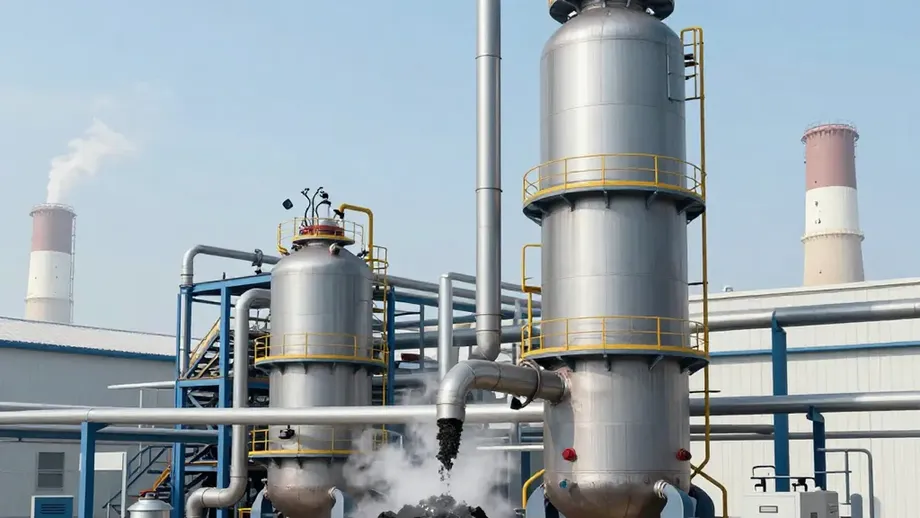
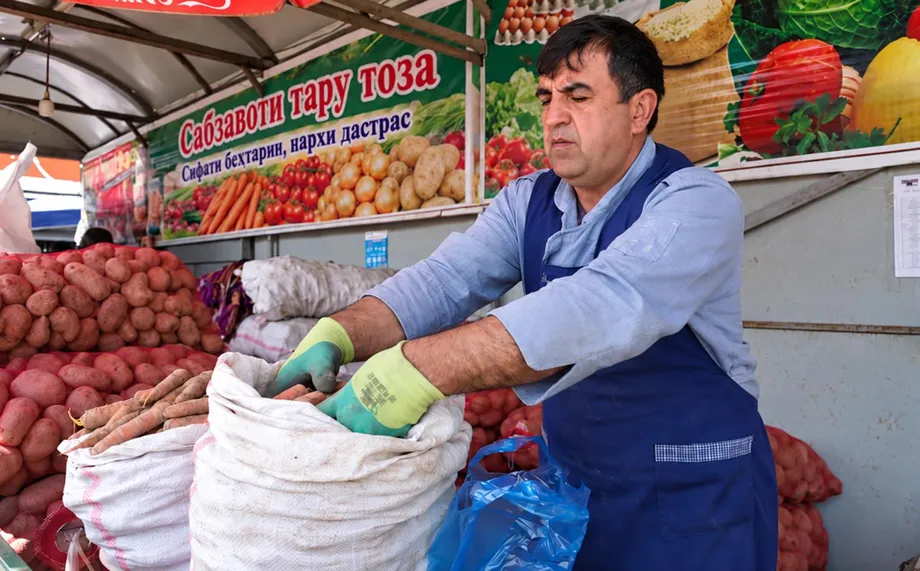
Diesel prices in Tajikistan climbed 51.6% and carrots rose 52.2% between January and September 2026, according to figures attributed to the Agency on Statistics under the President of Tajikistan. Gasoline became 38% more expensive and liquefied petroleum gas rose 36.2%, putting some of the largest increases in products used for travel, deliveries and everyday meals.
Contents
- Sharp rises in essentials put pressure on household budgets
- Why the inflation figures tell different stories
- Fuel costs rose much faster than other goods
- Price increases were already visible in spring
- Imports connect Tajikistan to external fuel markets
- Carrots surged while several other foods became cheaper
- Utilities add another recurring expense
- What households face after September
- Key Points
Consumer prices across the country increased by a much smaller 2.8% over those nine months. September inflation was 0.1%, while goods and services cost 4.1% more than in September 2025. The figures, reported on October 21, show how a relatively modest national inflation rate can sit alongside steep increases in particular essentials.
Utility tariffs added to the pressure, rising 12.3% since the start of the year. Some foods became cheaper, including cucumbers, eggs, tomatoes and rice. Those falls helped hold down the combined inflation figure, even as households buying fuel or paying utility bills faced larger increases.
Dushanbe filling stations also recorded further increases after September. A survey conducted on October 16 found that, over the previous three weeks, the average price per liter had risen by 80 dirams for 92-octane gasoline, 90 dirams for diesel and 33 dirams for liquefied petroleum gas, commonly called LPG.
Why the inflation figures tell different stories
The statistics use several comparisons, each answering a different question. The 2.8% figure measures the change from the end of 2025 to September 2026. The 4.1% figure compares September with the same month a year earlier. September's 0.1% increase measures just one month.
A further measure compares average prices during January through September with average prices during the corresponding period a year earlier. On that basis, inflation reached 3.9% in 2026, compared with 3.4% in 2025, an acceleration of 0.5 percentage points.
Consumer inflation combines many purchases into a basket, giving different products and services different importance according to spending patterns. A steep increase in one item can be partly balanced by falling prices elsewhere. A family's own experience therefore depends on what it buys and how much of its budget goes toward each expense.
The average price of services over the nine months rose 5.9%, compared with a 4.3% increase a year earlier. Nonfood goods rose by an average of 2.5%, slowing from 2.8%. These are comparisons of averages across the period, while the figures for individual fuels describe changes since the start of the year.
Fuel costs rose much faster than other goods
Diesel recorded the largest increase among the three main fuels listed in the national figures. Its 51.6% rise means that an unchanged quantity costing 100 somoni at the end of 2025 would have cost 151.60 somoni in September. The equivalent gasoline purchase would have risen to 138 somoni, and LPG to 136.20 somoni.
September brought another sharp increase for gasoline and LPG. Gasoline rose 7.3% during the month, while LPG rose 8.1%. Diesel edged down in September, although its price remained far above the level at the beginning of the year.
The October 16 survey extended the picture into the following month. Its findings covered filling stations in Dushanbe and measured changes in dirams per liter, while the January to September statistics described national percentage changes. For drivers in the capital, the survey pointed to further increases in the amount needed to fill a tank.
Clothing, footwear and medicines recorded much smaller changes. Clothing and footwear rose 1.8% from the beginning of the year, and pharmaceutical products increased 0.7%. Fuel was therefore a particularly strong source of pressure within nonfood spending, rather than part of an equally sharp rise across all such goods.
Price increases were already visible in spring
Dushanbe motorists had faced rising prices months before the September figures. By April 27, fuel prices at filling stations had increased by an average of 8% to 9% since early March. The most widely used gasoline grade, AI-92, rose from $1.05 to $1.13 per liter, while diesel increased from $1.14 to $1.24.
LPG rose by about 6% over that spring period, reaching $0.62 per liter. Prices also varied within the capital, with drivers describing central Dushanbe as more expensive than outlying areas. The dollar prices offer a snapshot of the spring market; the later national statistics track changes over a longer period.
The main stages of the increase were:
- Early March to April 27: Dushanbe fuel prices rose by an average of 8% to 9%.
- January through September: national diesel prices increased 51.6%, gasoline 38% and LPG 36.2%.
- September: gasoline rose another 7.3% during the month and LPG increased 8.1%, while diesel edged down.
- October 16: a Dushanbe filling station survey recorded further increases over the preceding three weeks.
- October 21: the January to September inflation figures were reported.
Together, these dates show that fuel costs remained a concern across several parts of the year. Diesel's small September decline was followed by a rise in the capital's October survey.
Imports connect Tajikistan to external fuel markets
Russia supplied more than 1.2 million tonnes of fuel and LPG to Tajikistan in 2025, accounting for over 70% of total imports. Kazakhstan, Uzbekistan and Turkmenistan supplied smaller shares. That concentration makes prices and supply conditions affecting Russian fuel particularly relevant to Tajikistan's market.
Official statistics cited for the first quarter of 2026 put petroleum product imports at more than 325,000 metric tons, worth over $251 million. Import volume rose 11.4% compared with the same period in 2025, while the value increased 8.6%. The reported average import value was approximately $772 per metric ton.
Suppliers attributed spring retail increases partly to higher prices charged by producers. Disruption in the Strait of Hormuz, linked in the April account to conflict involving the United States, Israel and Iran, was also identified as a source of pressure on international energy markets.
The strait is a narrow shipping passage through which roughly 20% of global oil supplies pass. Disruption there can affect the wider market because buyers compete for fuel and suppliers adjust prices across connected trading routes. Tajikistan's reliance on imported petroleum products gives those external price movements a route into domestic costs.
Fuel increases elsewhere in Central Asia were reported at about 2% to 5% during March and April, with prices largely stable in Uzbekistan and Turkmenistan. The Dushanbe spring figures covered a different period beginning in early March, but they show that price pressure varied across the region.
Carrots surged while several other foods became cheaper
Carrots recorded a slightly larger increase than diesel, rising 52.2% over the first nine months of 2026. Lemons rose 25.1% and apples increased 17.9%. Sugar, vegetable oil and flour also became more expensive, although individual percentage changes for those staples were not given.
Food prices as a group rose 2.5% since the beginning of the year. Several substantial declines helped limit that increase: cucumbers fell 27.9%, eggs dropped 16.3%, tomatoes became 15% cheaper and rice declined 8.7%, all compared with the end of 2025.
For a household, those movements create different results from one shopping trip to another. Buying rice or eggs cost less than at the end of the previous year, while buying carrots, fruit and some staples required more money. Families cannot expect every item in their usual basket to move in the same direction.
The figures provide the price changes without a detailed explanation for each food. Harvest conditions, supplies and trading costs would require further information before the reasons for individual increases or declines could be identified.
Utilities add another recurring expense
Utility tariffs rose 12.3% between the start of the year and September, the largest increase identified among paid services. Paid services as a whole increased 4.2% over that period, while their average monthly increase in September was 0.3%.
Other service prices rose more slowly. Hotel services increased 1.5%, and airfares on the Dushanbe to Moscow route rose 1.4%. The utility increase was therefore much larger than the changes in either of those categories.
Utility bills are recurring expenses, so an increase affects the money a household has left for other purchases each billing period. Fuel increases can also raise operating costs for people who drive for work or businesses that move goods. The effect on any particular family or business depends on its consumption and spending.
What households face after September
Tajikistan entered October with broad consumer inflation still modest compared with the increases in fuel, utilities and selected foods. The average inflation rate for January through September had nevertheless accelerated to 3.9%, from 3.4% a year earlier, and the capital's October fuel survey showed continued pressure at filling stations.
September's small monthly inflation increase offered some relief in the combined index, while cheaper eggs, rice and several vegetables helped food budgets. Drivers and households with substantial utility expenses faced a different pattern, with large increases in costs they pay repeatedly.
No date for a fuel price reduction or a new government response was given. The next national monthly figures would help show how the October increases observed in Dushanbe fed into prices across the country.
Key Points
- Consumer prices rose 2.8% from the start of 2026 through September and 4.1% compared with September 2025.
- Diesel increased 51.6%, gasoline 38% and LPG 36.2% over the first nine months.
- Carrots rose 52.2%, while cheaper cucumbers, eggs, tomatoes and rice helped limit food inflation to 2.5%.
- Utility tariffs increased 12.3%, compared with a 4.2% rise in paid services as a whole.
- An October 16 survey recorded further fuel price increases in Dushanbe over the preceding three weeks.
- Russia supplied more than 70% of Tajikistan's fuel and LPG imports in 2025.