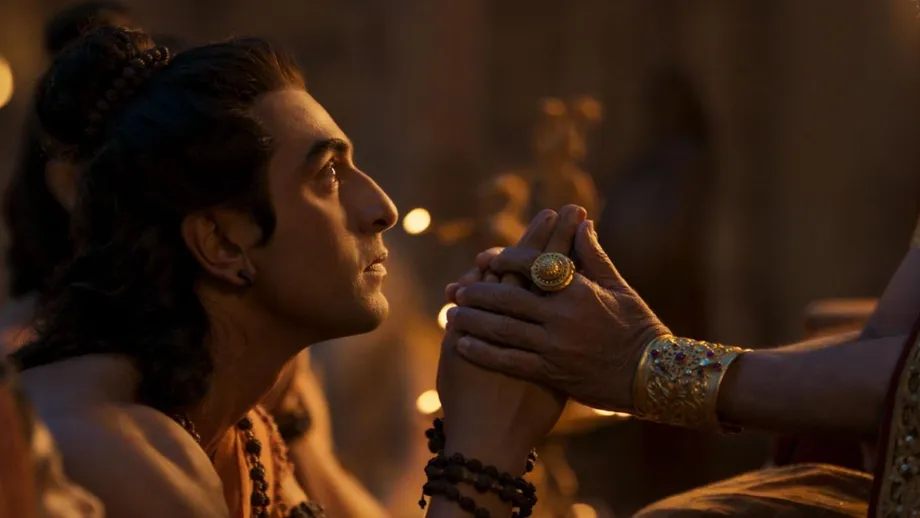
Early bookings grow beyond the first 40,000 tickets
Ramayana: Part One has passed 100,000 tickets in reported Indian advance sales ahead of its planned November 5, 2026 release, widening an opening booking surge that initially brought around 40,000 ticket sales at PVR INOX and Cinepolis. The latest booking estimate puts advance collections at Rs 6.07 crore across 3,560 shows in 453 theatres and 120 cities.
Contents
- Early bookings grow beyond the first 40,000 tickets
- What the different booking totals mean
- Premium screens take a large share
- Mumbai prices reach Rs 2,770
- Where the strongest demand is emerging
- Overseas sales cover several screening dates
- The release calendar and the holiday window
- The cast puts familiar characters at the centre
- Key Points
The figures capture different parts of the rollout. The first tally covered two national cinema chains during an initially limited sale, while the broader count reached 101,392 tickets. Premium formats are drawing a large share of the money, with IMAX 3D alone accounting for Rs 1.96 crore in the latest breakdown.
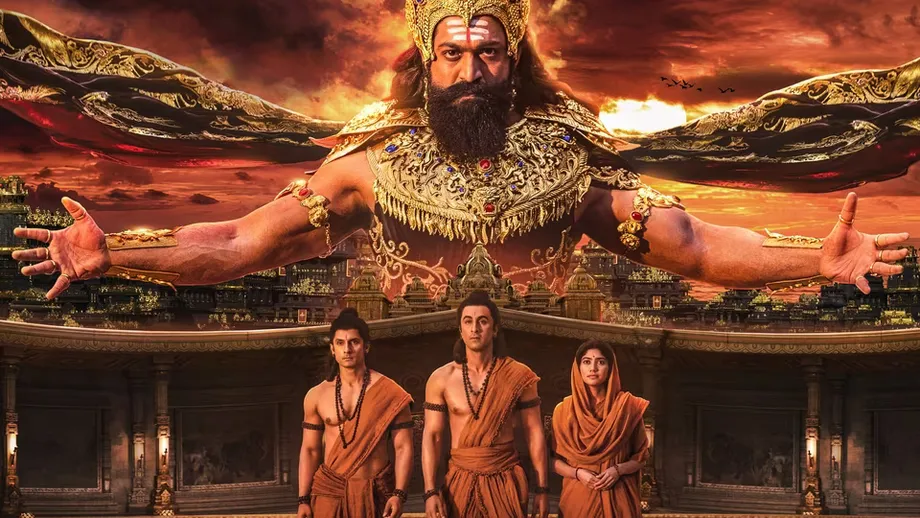
Directed by Nitesh Tiwari, the adaptation stars Ranbir Kapoor as Rama, Sai Pallavi as Sita and Yash as Ravana. Paid premieres are scheduled for November 4, before the worldwide opening the following day. The release is planned in Hindi, Tamil, Telugu, Kannada and Malayalam, with a second instalment scheduled for Diwali 2027.
For audiences, the early booking picture combines strong demand for selected premium seats with substantial availability elsewhere. Some of the most desirable seats have already sold, while the latest reported occupancy across listed shows stands at 12.8%. That gives the production room to build sales as more cinemas and screenings become available.
What the different booking totals mean
The initial estimate put opening day advance earnings at approximately Rs 2 crore nett in the first 24 hours. Tickets were then available at PVR INOX, Cinepolis and Miraj, although the roughly 40,000 ticket count covered only PVR INOX and Cinepolis.
A broader early snapshot subsequently put sales at nearly 92,000 tickets and Rs 5.44 crore across 104 cities. Within that estimate, collections excluding block bookings stood at Rs 3.61 crore. Block bookings are purchases of groups of seats together, rather than separate bookings by individual customers.
The difference between Rs 5.44 crore and Rs 3.61 crore is Rs 1.83 crore, roughly one third of the larger figure. That makes the treatment of group purchases a substantial part of understanding the early totals.
Nett and gross collections also measure different things. Gross is the amount collected before entertainment related taxes are deducted; nett is the amount after those taxes. The initial Rs 2 crore nett estimate therefore belongs to a different accounting category from the later advance gross figures.
The latest Rs 6.07 crore estimate provides the widest reported picture, covering 120 cities. A final opening day result will depend on sales through release day, the number of shows ultimately scheduled and the price mix across cinemas.
Premium screens take a large share
Hindi screenings account for Rs 5.68 crore of the latest advance total, or about 94% of Rs 6.07 crore. Kannada follows at Rs 38.34 lakh, while Telugu bookings stand at Rs 76,050. Tamil and Malayalam totals were not given in the booking breakdown.
Format choices are shaping spending as well as language. Standard 3D screenings account for Rs 3.69 crore, while IMAX 3D contributes Rs 1.96 crore. Together, those two categories represent approximately 93% of the reported advance collections.
IMAX 3D has reported occupancy of 39.6%, compared with 10.8% for standard 3D. Dolby Cinema 2D has the highest reported occupancy among the listed formats, at 63.7%, with collections of Rs 10.46 lakh. The percentages describe the share of available seats booked within each category.
Smaller premium categories also show demand. Bookings for 4DX 3D, which adds physical effects to a screening, total Rs 19.45 lakh at 28.5% occupancy. Ordinary 2D screenings account for Rs 2.45 lakh at 7.3% occupancy. At this stage, the most expensive and specialised presentations are attracting a disproportionate share of spending.
Mumbai prices reach Rs 2,770
Mumbai offers the clearest example of how much the viewing experience can change the ticket price. Select IMAX 3D recliner seats at PVR ICON: Phoenix Palladium in Lower Parel are listed at Rs 2,770 for November 5 and 6.
Other early Mumbai listings put tickets around Rs 400 to Rs 500, with premium seats above Rs 1,000. A Rs 2,770 seat therefore costs more than five times a Rs 500 ticket. Families choosing between ordinary seats and premium recliners face very different bills for the same film.
Listed Mumbai screenings stretch from 6.45 am to 11.45 pm. That spread gives viewers options outside the busiest evening period, although prices and seat availability vary by cinema, format and showtime.
The latest booking count records one fully booked show and 85 shows filling quickly. Alongside the 12.8% occupancy across all listed screenings, those figures show demand concentrated in particular locations and presentations, with many seats still available across the wider schedule.
Where the strongest demand is emerging
Maharashtra leads the latest state breakdown with Rs 1.83 crore, accounting for 30.1% of the reported advance gross. Delhi follows at Rs 89.83 lakh, with Uttar Pradesh at Rs 73.66 lakh. Together, those three markets contribute about Rs 3.46 crore, or 57% of the Rs 6.07 crore total.
Gujarat has contributed Rs 44.13 lakh, Karnataka Rs 39 lakh and West Bengal Rs 31.15 lakh. Haryana stands at Rs 24.81 lakh, followed by Rajasthan at Rs 23.60 lakh and Madhya Pradesh at Rs 16.31 lakh.
An earlier city based snapshot placed Delhi-NCR at Rs 1.52 crore from 19,913 tickets and Mumbai at Rs 1.10 crore. Delhi-NCR includes areas outside Delhi itself, so its geographical coverage is wider than the Delhi entry in the state figures.
Southern bookings were still opening during the initial national chain count. Bengaluru, Hyderabad and Chennai therefore have further scope to contribute as the rollout expands. Karnataka's later Rs 39 lakh total and the growth in Kannada bookings show that southern sales were already entering the broader tally.
The remaining state figures include Punjab at Rs 15.03 lakh, Odisha at Rs 11.43 lakh, Kerala at Rs 9.98 lakh and Chhattisgarh at Rs 9.32 lakh. Bihar and Jharkhand account for Rs 7.89 lakh and Rs 7.59 lakh respectively.
Overseas sales cover several screening dates
Outside India, reported advance bookings have reached $1.12 million across the United States, Canada, Britain and Australia. That total includes tickets sold for all available screening dates, giving a measure of early international demand across the booking window.
The Indian figures focus on opening day advance sales. The overseas total covers a longer period of screenings, so readers comparing the markets need to keep their different time spans in mind.
Sony Pictures is handling the international release. The planned five language rollout and premium screenings give the production several routes to reach audiences, including viewers familiar with the epic and those encountering this adaptation through its cast or visual presentation.
A reported opening day projection puts potential Indian earnings at Rs 147.4 crore nett. That is a forecast rather than money already collected. The bookings currently recorded are only one part of the sales that will determine the eventual result.
The release calendar and the holiday window
Ramayana began its Indian booking campaign roughly two weeks before release, giving it a longer sales window than many major Hindi films. The early rollout was reportedly slowed by a disagreement over distribution shares between Dharma Productions and cinema operators, before a nationwide opening of bookings was announced.
Distribution shares determine how ticket revenue is divided between the businesses releasing a film and the cinemas showing it. Those terms matter to exhibitors deciding which screenings to make available and when to begin selling seats.
The main dates in the release campaign are:
- October 20, 2026: The Tamil version of the Ravana Tandavam promotional track was released.
- November 4, 2026: Paid premiere screenings are scheduled in India.
- November 5, 2026: Ramayana: Part One is scheduled to open worldwide.
- Diwali 2027: Ramayana: Part Two is planned for release.
Advance sales for the November 4 premieres are expected to open later; no opening date for those bookings has been given. The main release falls before Diwali, when preparations and celebrations may affect attendance differently across locations.
The period beginning on the Monday after the festivities is expected to provide another important stretch of business. The film's commercial run will therefore extend across several distinct phases, from premieres and the initial opening to screenings after the festival.
The cast puts familiar characters at the centre
Tiwari's first instalment follows Rama's exile from Ayodhya and his journey after Sita is kidnapped. Sunny Deol plays Hanuman, Ravi Dubey plays Lakshman, Arun Govil plays Dasharatha and Lara Dutta plays Kaikeyi. Rakul Preet Singh appears as Surpanakha, Sheeba Chaddha as Manthara and Adinath Kothare as Bharat.
Namit Malhotra is producing the film, DNEG is handling visual effects, and Hans Zimmer and A.R. Rahman have composed the music. Kapoor has also said the second instalment was around halfway through filming earlier this year.
Kapoor, who plays Rama, described the personal meaning of the role during a promotional appearance:
Some stories are not just told, they live deeply within us. Ramayan is one such story. Playing 'prabhu' Shri Ram was an incredible emotional journey for me. It reminded me what it truly means to have strength, courage, compassion, forgiveness and gratitude in your heart and to always choose what is right.
The campaign has also focused on Yash's Ravana. The Ravana Tandavam release brought Anirudh Ravichander and G.V. Prakash Kumar together as singers for the Tamil version. Its portrayal of Ravana worshipping Shiva drew praise for Yash's performance alongside criticism of the music and Hindi lyrics.
Yash, speaking at a promotional event in Hyderabad, asked viewers to approach the film openly and described Malhotra's commitment to presenting the epic internationally:
Sometimes when someone tries to do things like this, he has gambled his reputation and money to put this film on a global platform...
The promotional debate and early ticket sales now meet at the cinema counter. Premium screenings have secured substantial spending, while the larger audience has a wider range of shows and prices to choose from as release approaches.
Key Points
- Reported Indian opening day advance sales have reached Rs 6.07 crore from 101,392 tickets across 120 cities.
- The initial 40,000 ticket figure covered PVR INOX and Cinepolis during a limited rollout.
- Hindi screenings account for about 94% of reported advance collections, while IMAX 3D contributes Rs 1.96 crore.
- Select Mumbai IMAX 3D recliner tickets cost Rs 2,770; many other screenings still have seats available.
- Overseas advance sales total $1.12 million across four markets and include all available screening dates.
- Paid premieres are scheduled for November 4, followed by the worldwide release on November 5, 2026. Part Two is planned for Diwali 2027.